
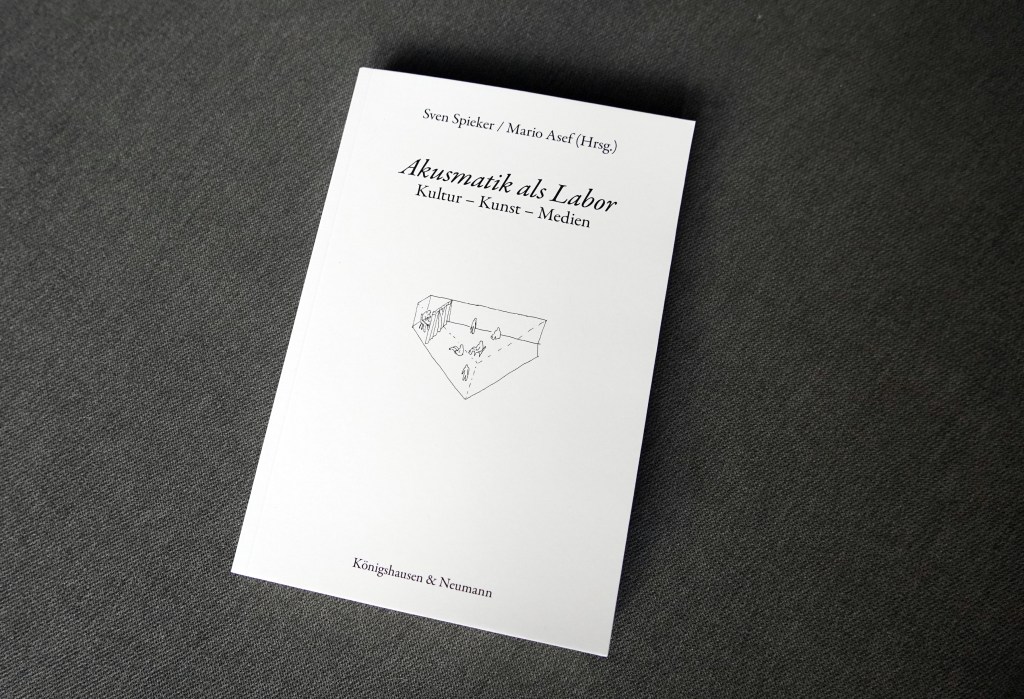
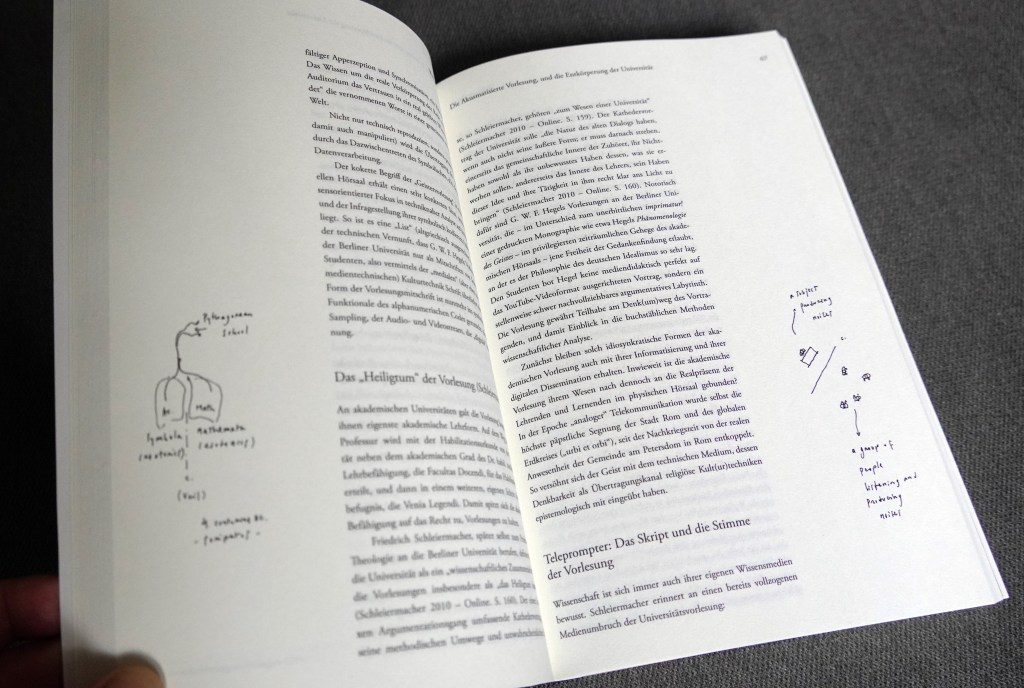
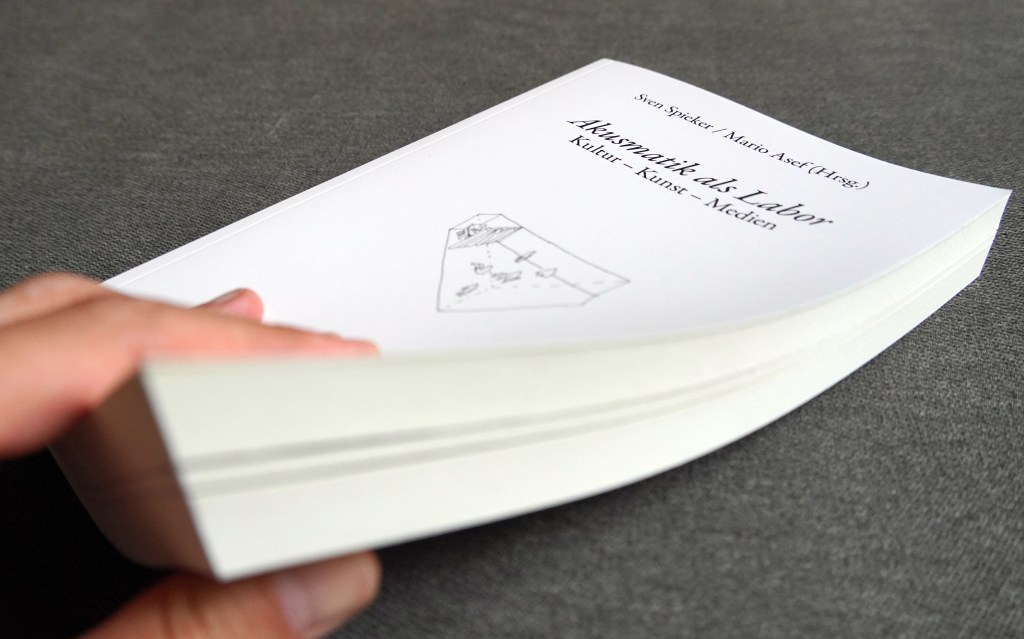
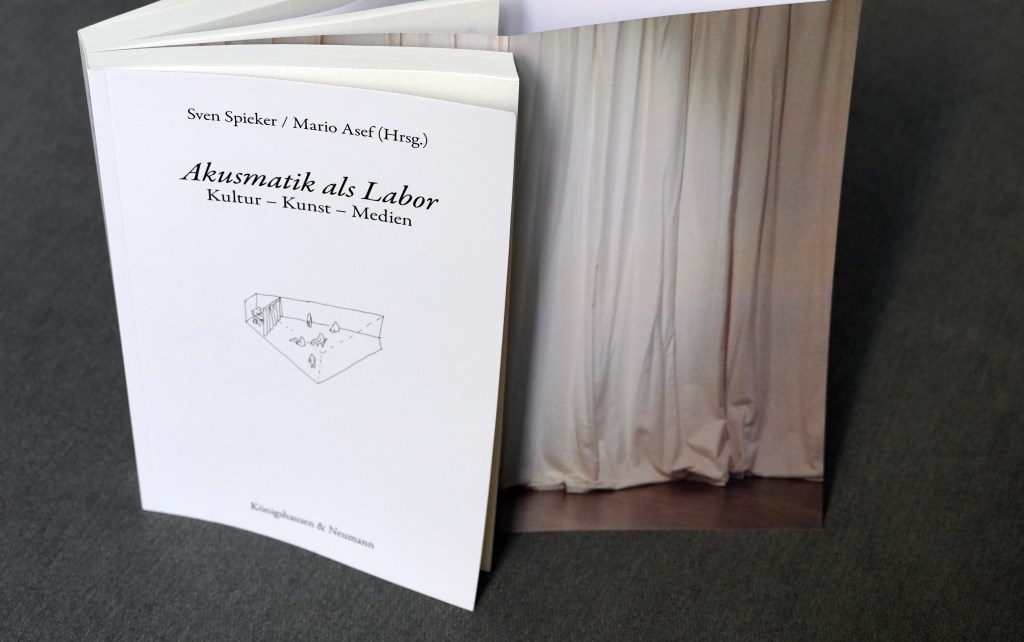
Akusmatik als Labor: Kultur – Kunst – Medien
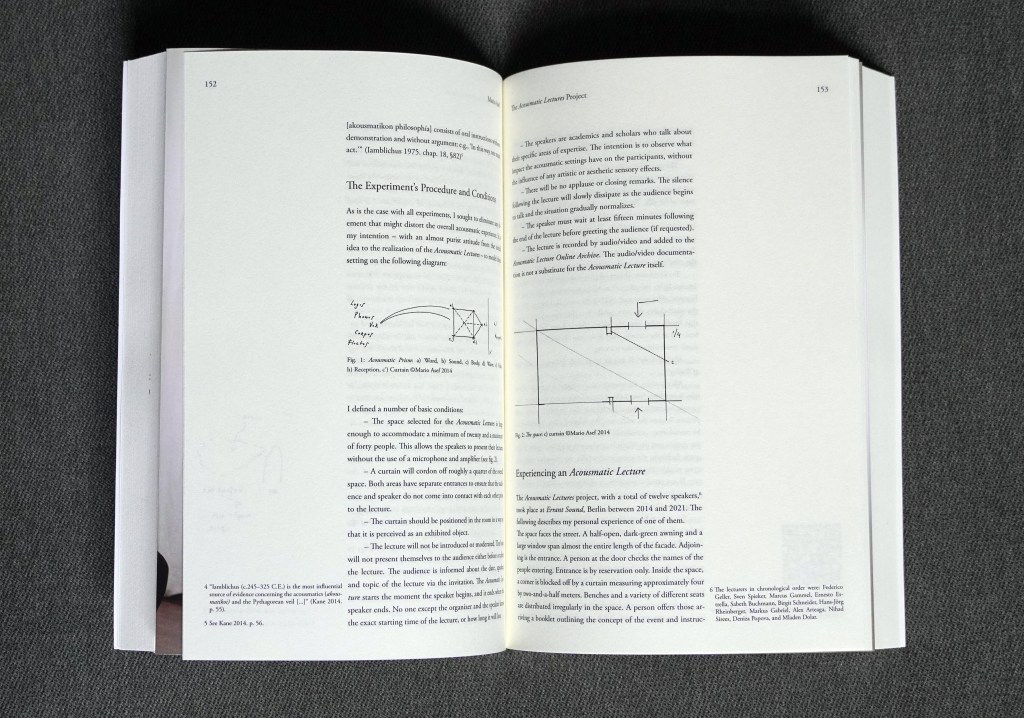
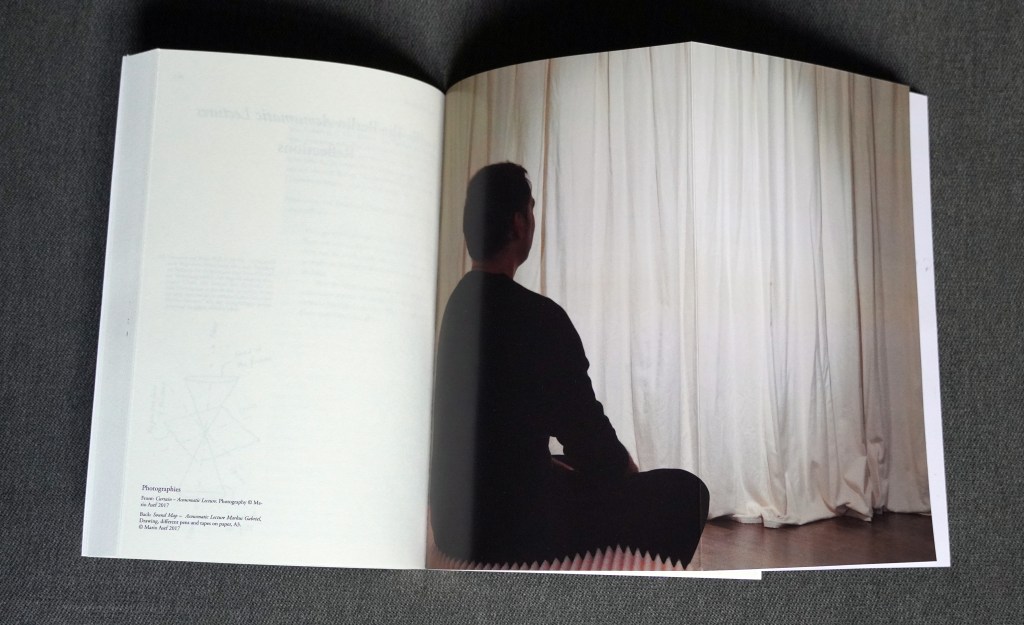
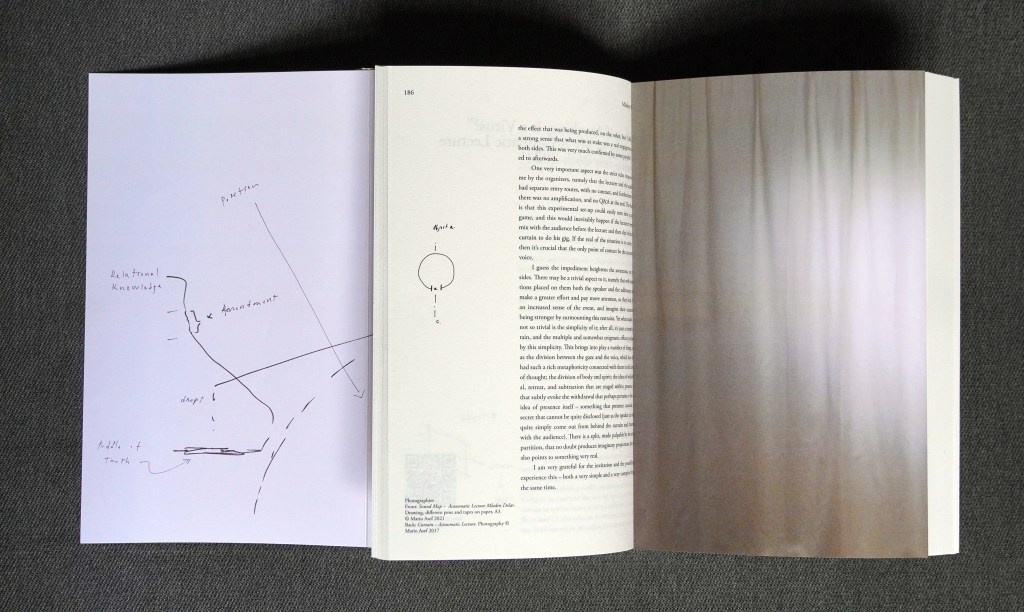
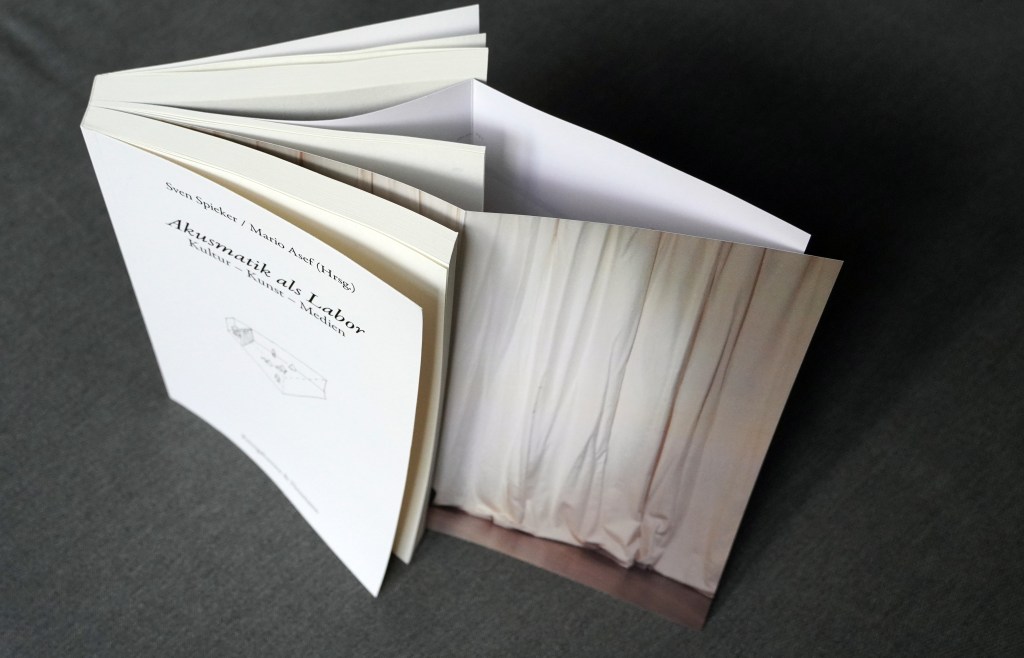
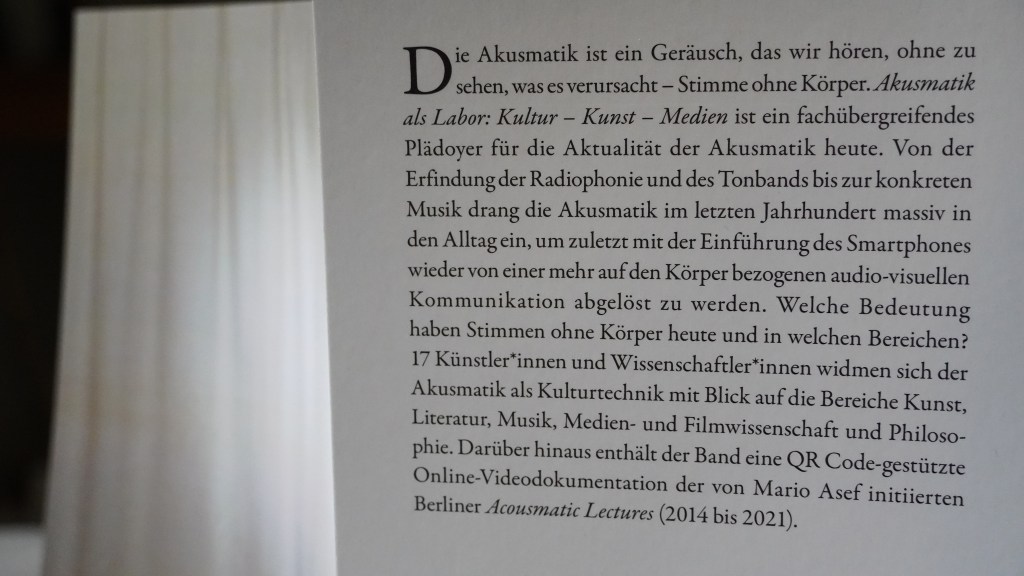
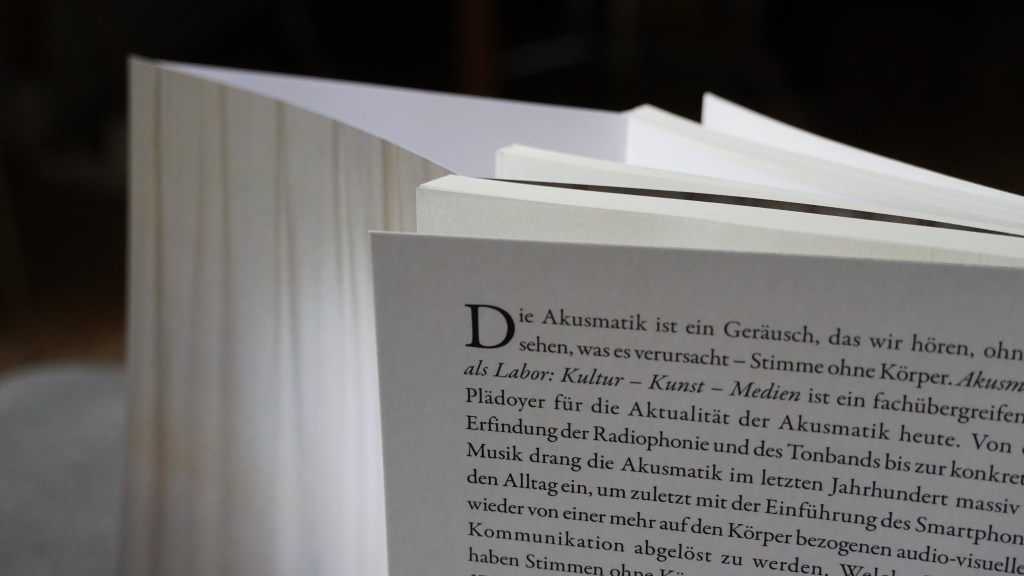
Acousmatics is sound that we hear without seeing what causes it – voice without body. Akusmatik als Labor: Kultur – Kunst – Medien is a multidisciplinary plea for the relevance of acousmatics today. From the invention of radiophony and tape to concrete music, acousmatics massively penetrated everyday life in the last century, only to be replaced again by more body-based audio-visual communication, most recently with the introduction of the smartphone. What is the significance of voices without bodies today, and in which areas? 17 artists and scholars address acousmatics as a cultural technique with a view to the fields of art, literature, music, media and film studies, and philosophy. In addition, the volume contains QR code-supported online video documentation of the Berlin Acousmatic Lectures (2014 to 2021) initiated by Mario Asef.
The editors:
Sven Spieker teaches at the University of California, Santa Barbara. He specializes in modern and contemporary art, literature, and culture with a focus on Russia and Eastern Europe, and has a particular interest in issues of documentation and knowledge production.
Mario Asef is an architect and conceptual artist living in Berlin. His work has been exhibited worldwide. Since 2014, he has organized exhibitions and lectures for Errant Sound, a project space for sound art in Berlin.
Akusmatik als Labor: Kultur – Kunst – Medien. Königshausen & Neumann



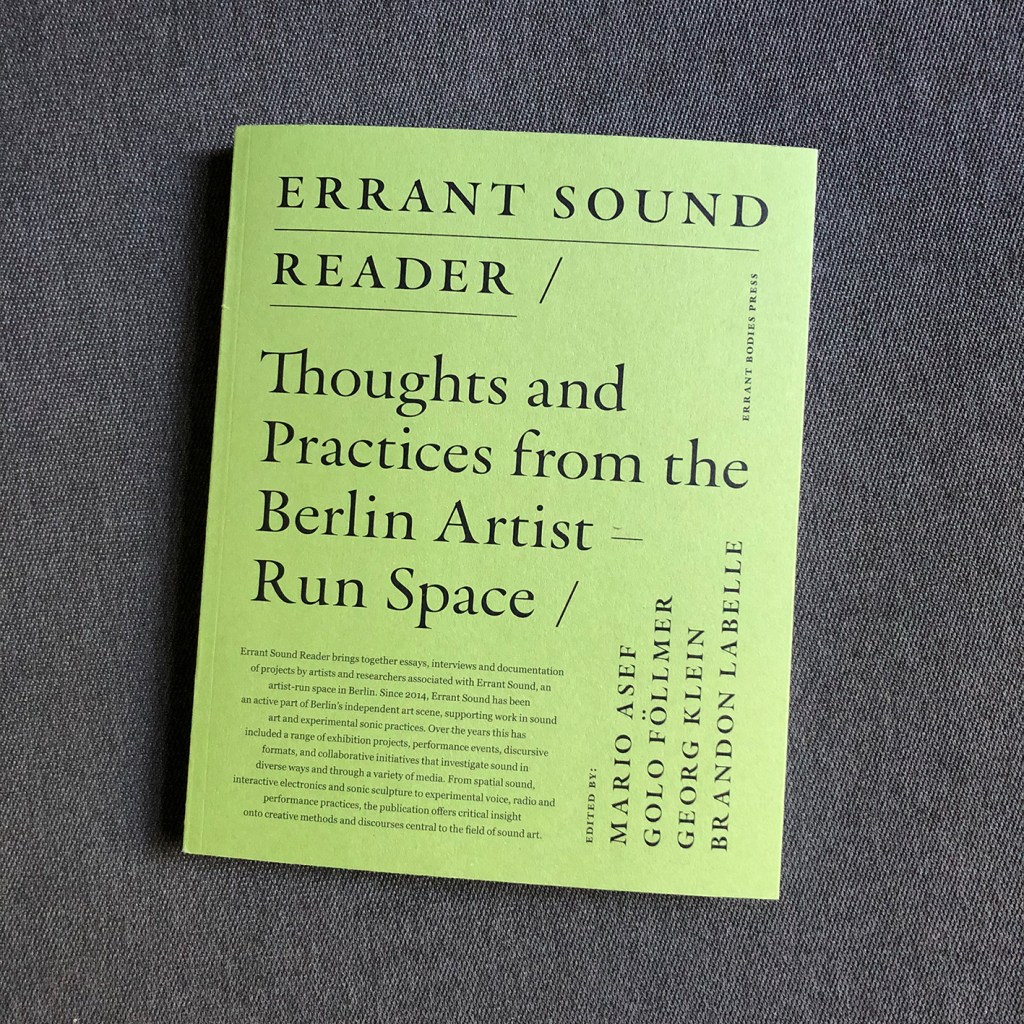
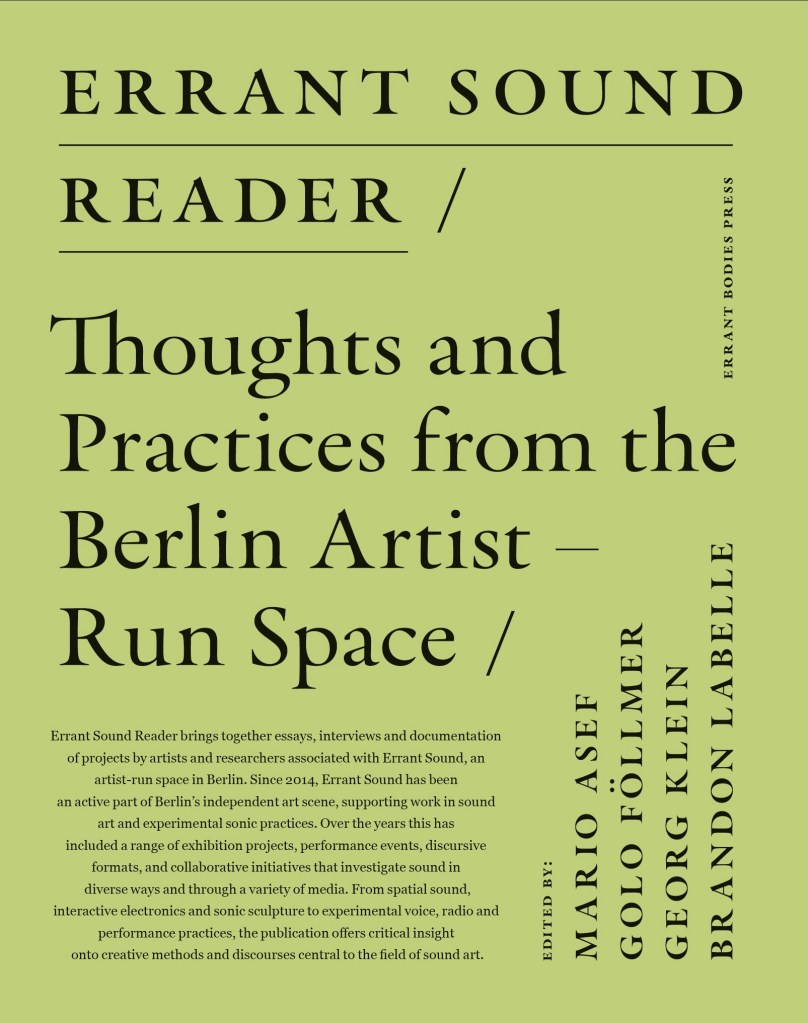
Errant Sound Reader
Errant Sound Reader brings together essays, interviews and documentation of projects by artists and researchers associated with Errant Sound, an artist-run space in Berlin.
Since 2014, Errant Sound has been an active part of Berlin’s independent art scene, supporting work in sound art and experimental sonic practices. Over the years this has included a range of exhibition projects, performance events, discursive formats, and collaborative initiatives that investigate sound in diverse ways and through a variety of media. From spatial sound, interactive electronics and sonic sculpture to experimental voice, radio and performance practices, the publication offers critical insight onto creative methods and discourses central to the field of sound art.
Edited by Mario Asef, Golo Föllmer, Georg Klein, Brandon LaBelle.
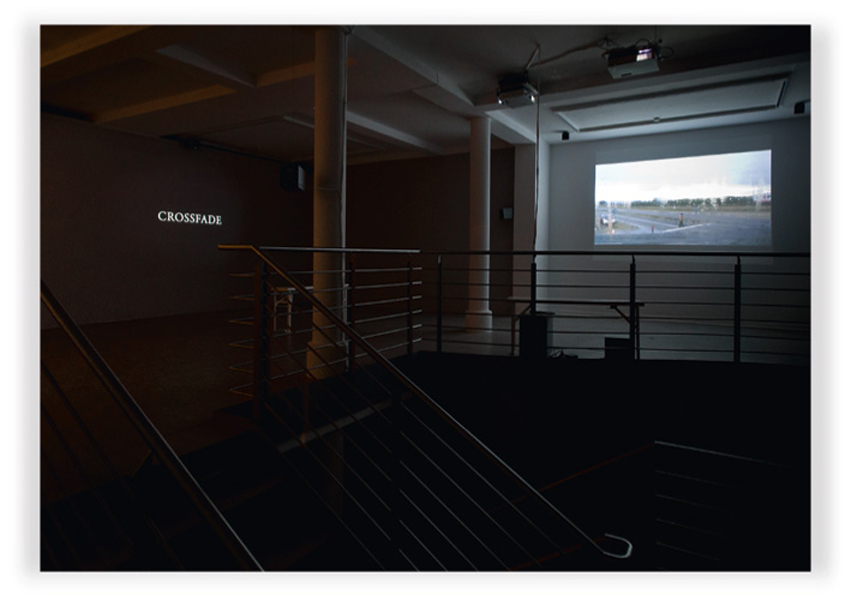
Crossfade
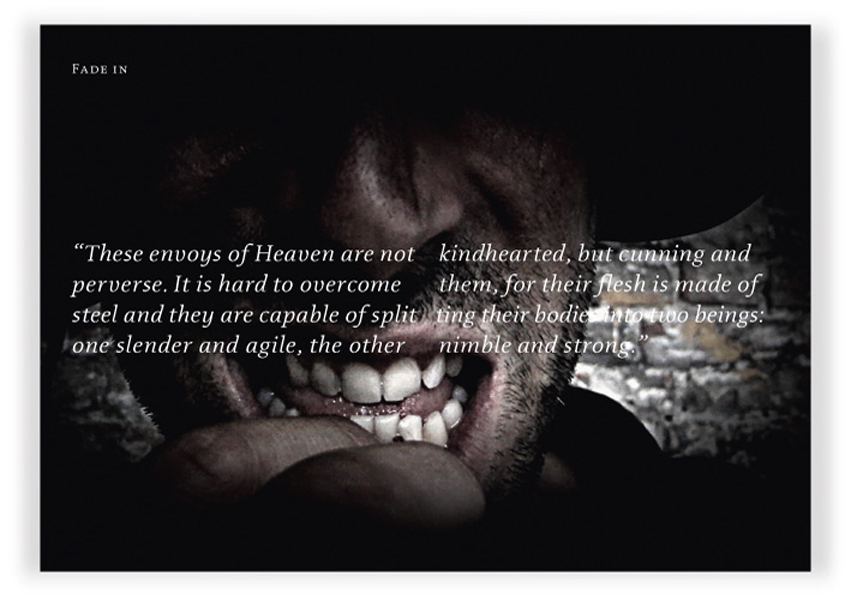
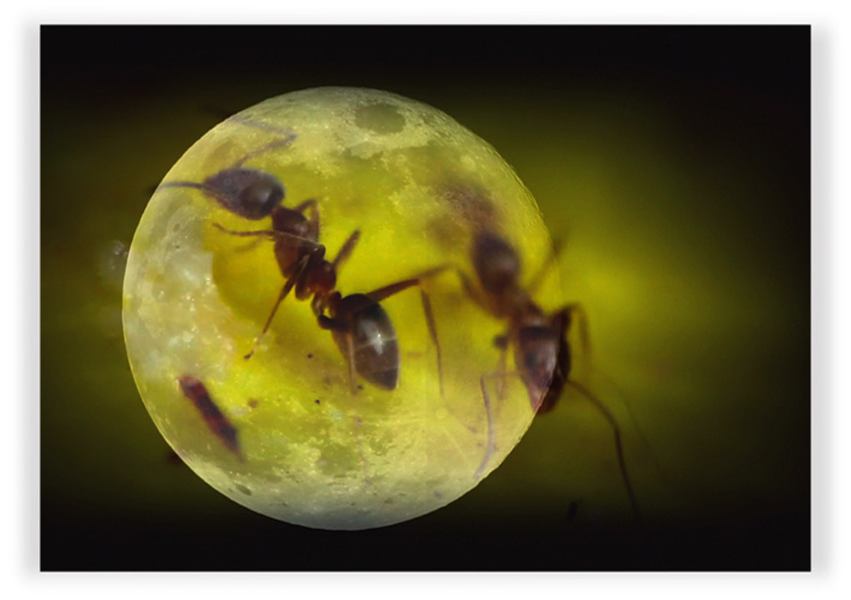
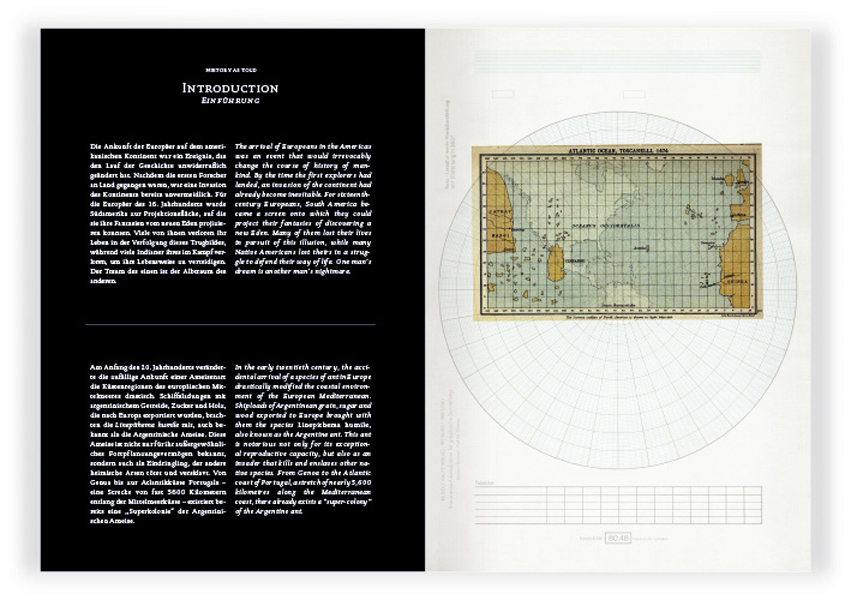
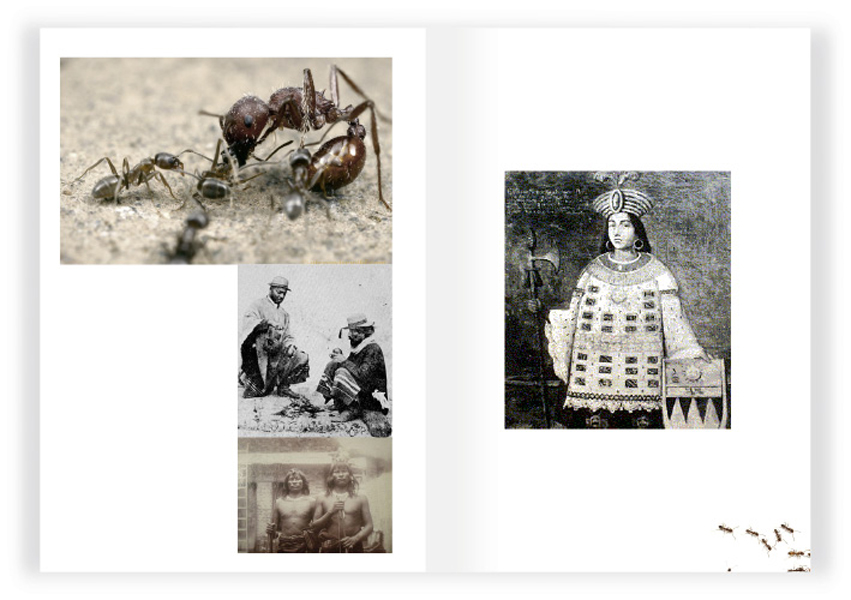
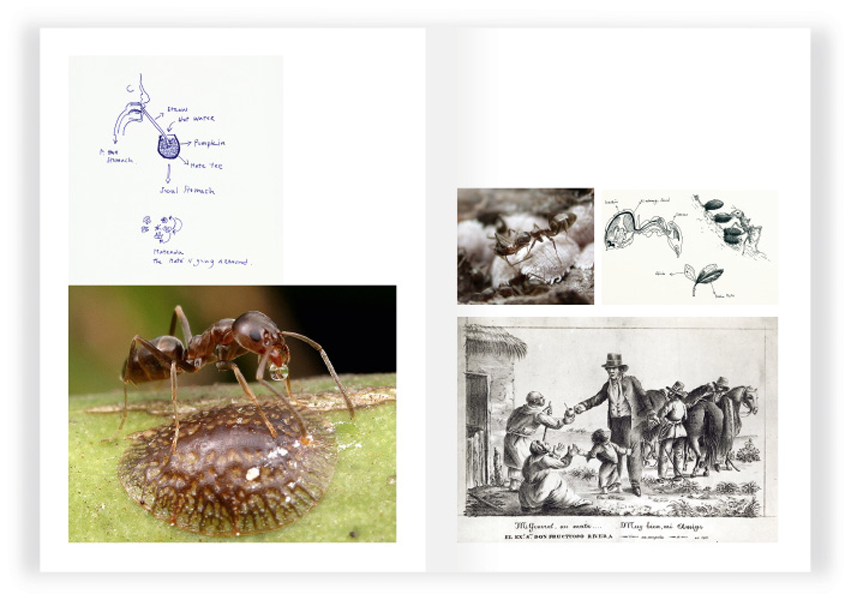
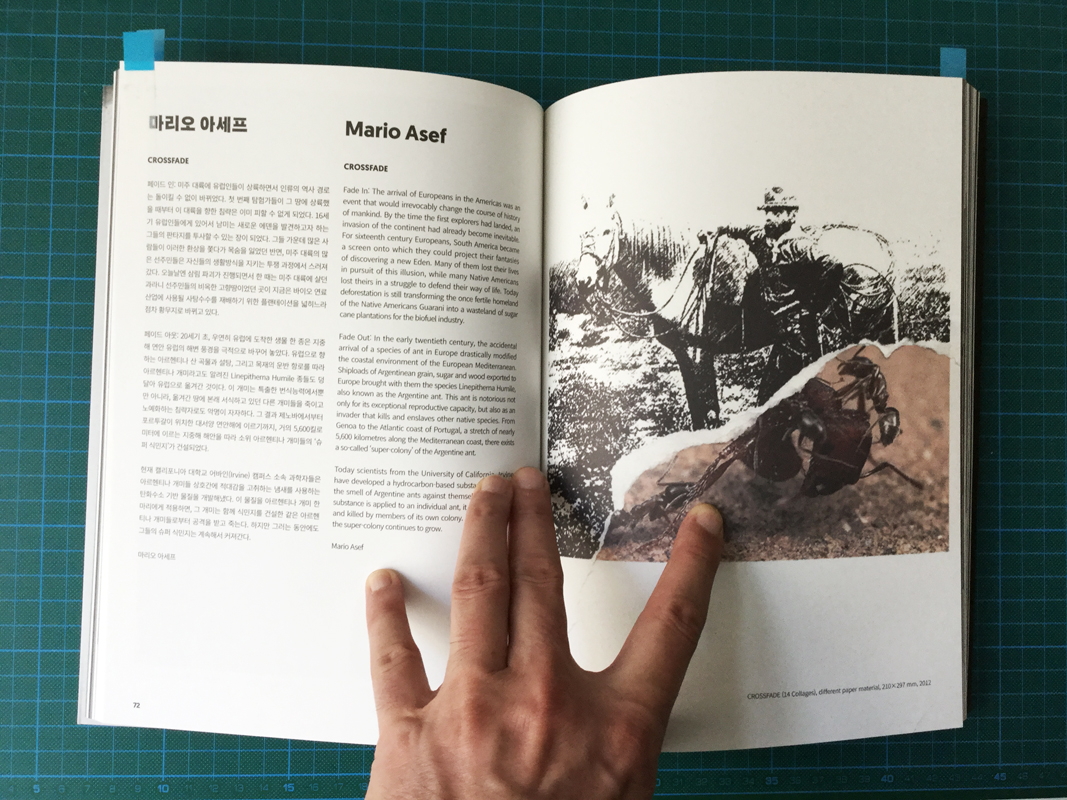
Crossfade focuses on two types of mass migration between South America and Europe, comparing the process of population expansion in human beings with the expansion dynamics of populations in nature.The arrival of Europeans in the Americas was an event that would irrevocably change the course of history of mankind. By the time the first explorers had landed, an invasion of the continent had already become inevitable. For sixteenth century Europeans, America became a screen onto which they could project their fantasies of discovering a new Eden. Many of them lost their lives in pursuit of this illusion, while many Native Americans lost theirs in a struggle to defend their way of life. One man’s dream is another man’s nightmare.
ARTMargins
volume 5, issue 2
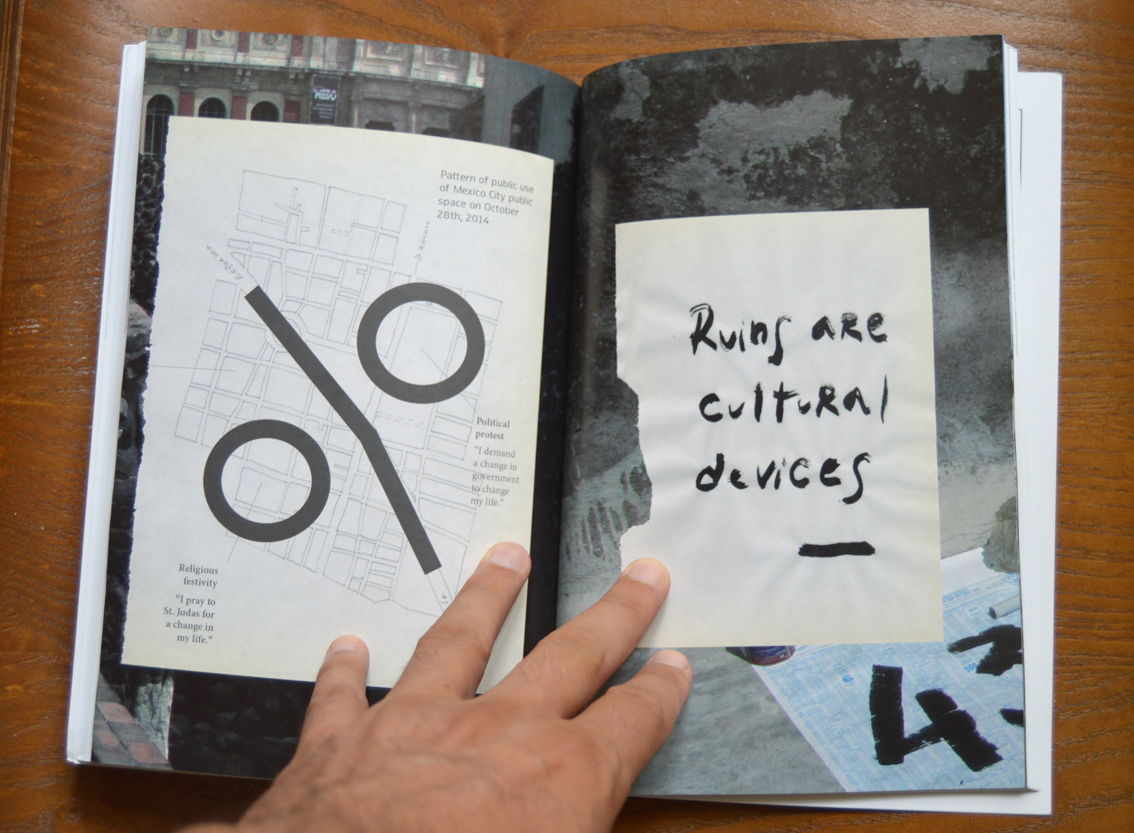
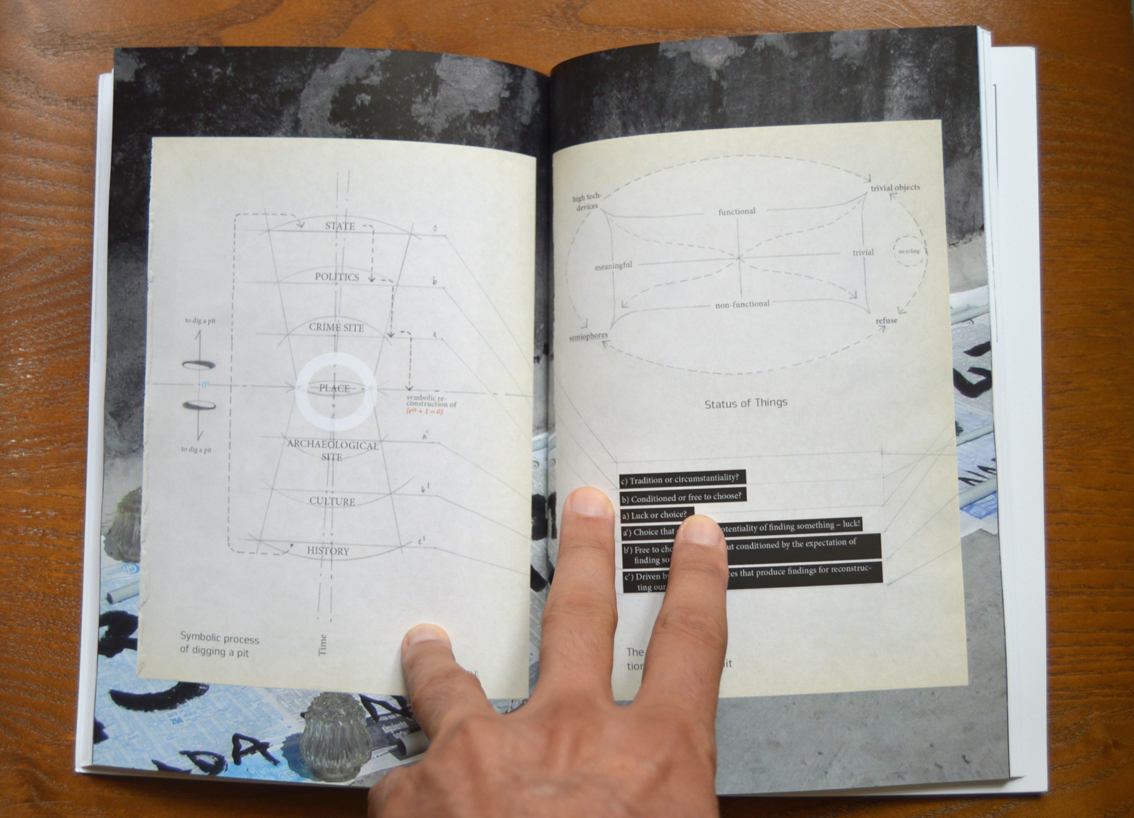
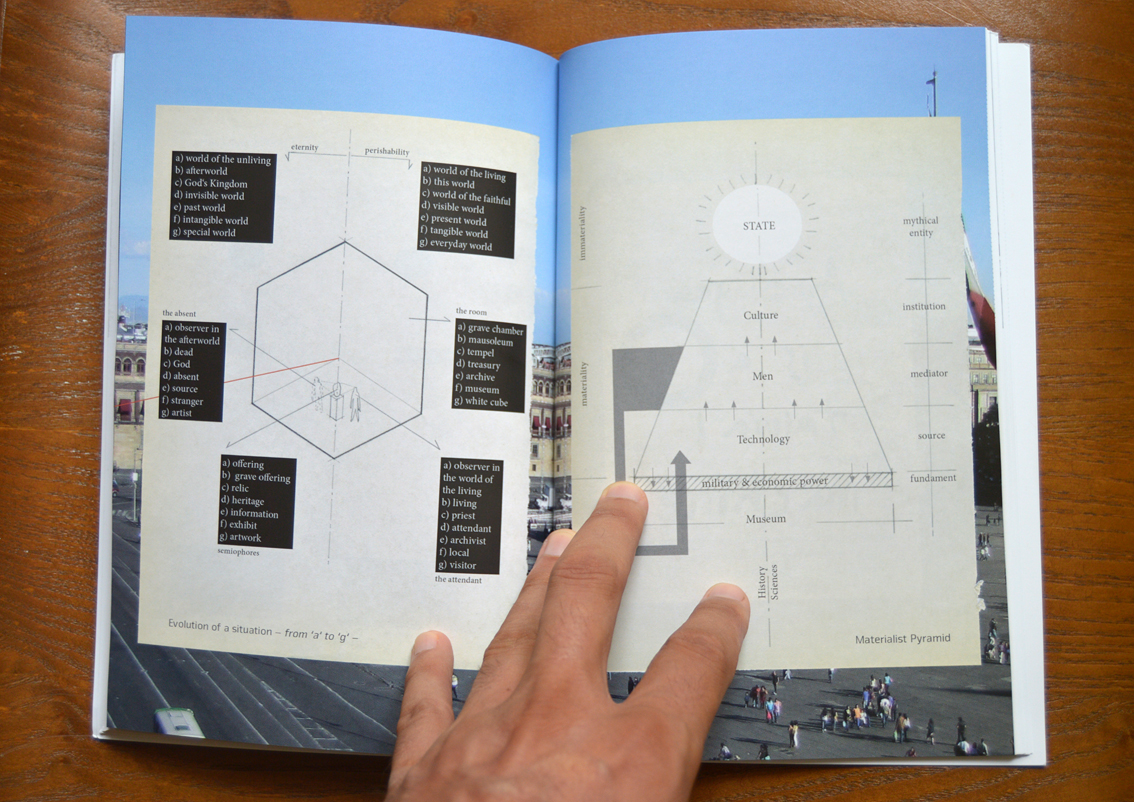
A Diagram Is a Trivial Machine
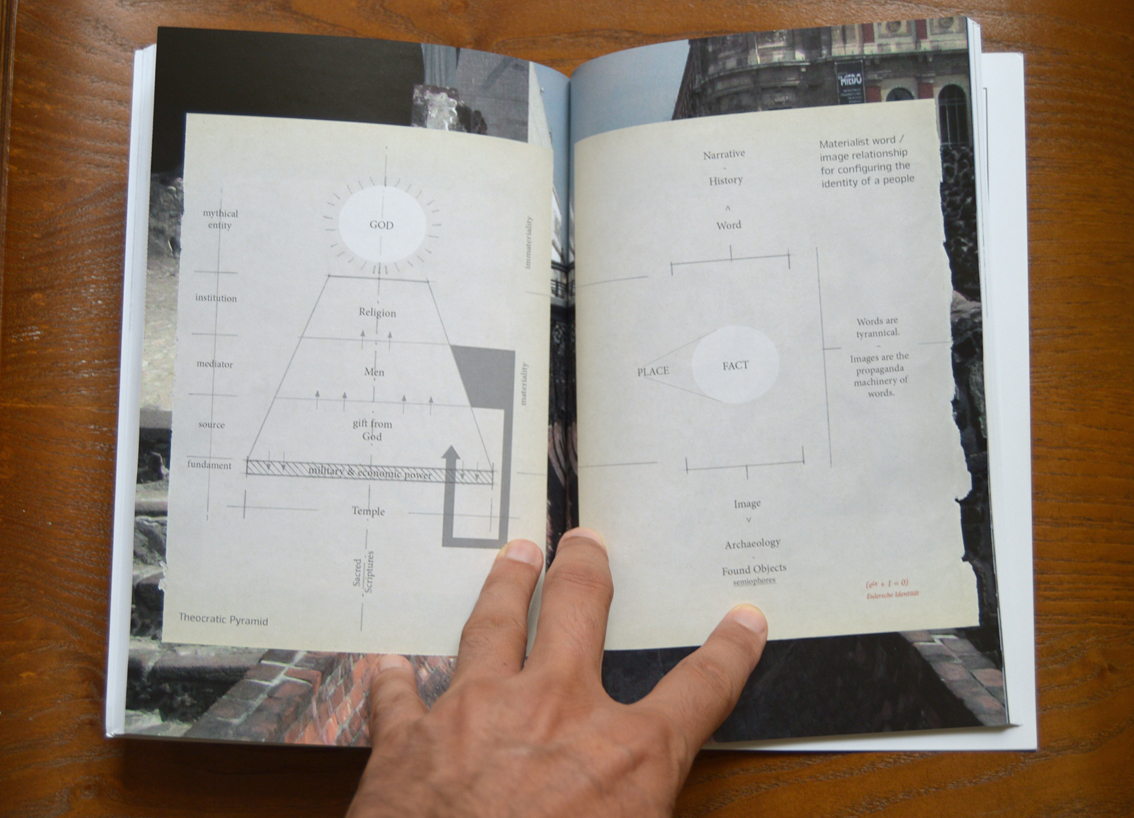
The idea of the diagram emerged almost at the same time as the idea of the machine, although we cannot really tell which existed first. However, it seems clear that both are intrinsically connected. Machines and diagrams can be seen as representations of a narrative system that leads the process of the creation of knowledge. What they share is essentially narrative: we create machines using diagrammatic narratives, and with these narratives, we create knowledge. Narratives are the real machines.
I generate diagrams with the purpose of understanding the narratives, forms, and aesthetics of sociocultural and political structures. This leaves room for the production of artistic works that can be introduced into the machinery of everyday life.

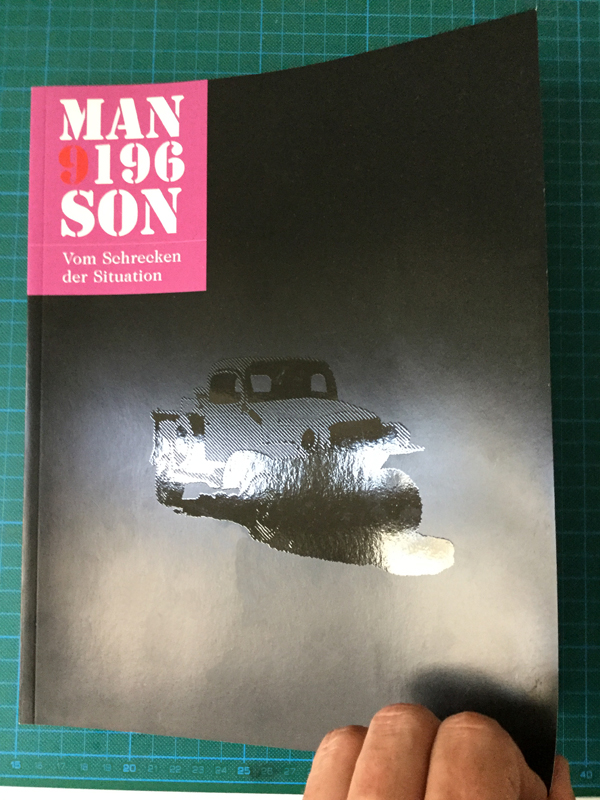
Man Son 1969 –The Horror of the Situation
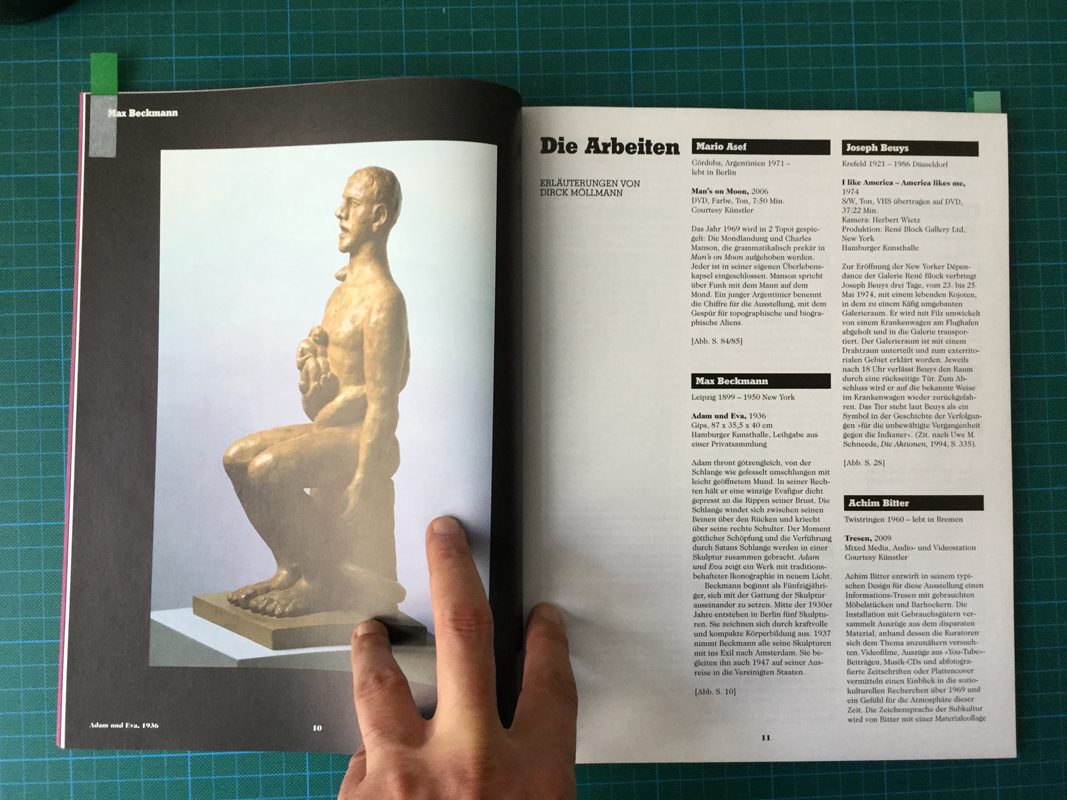
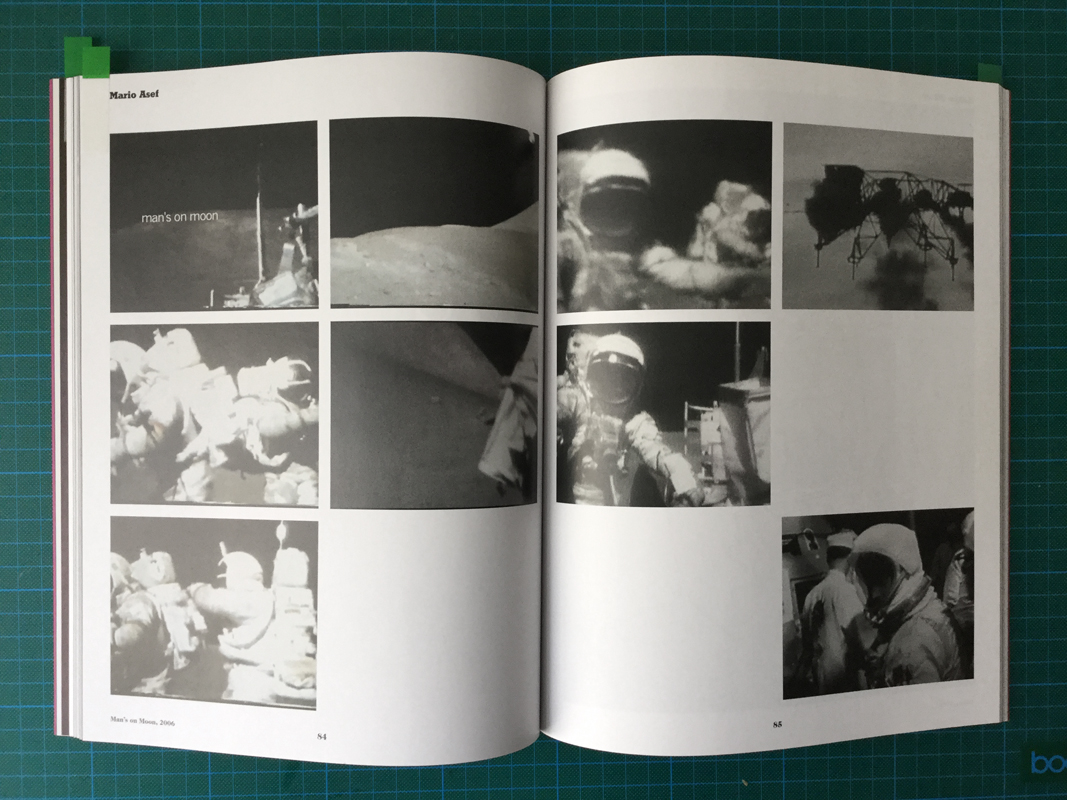
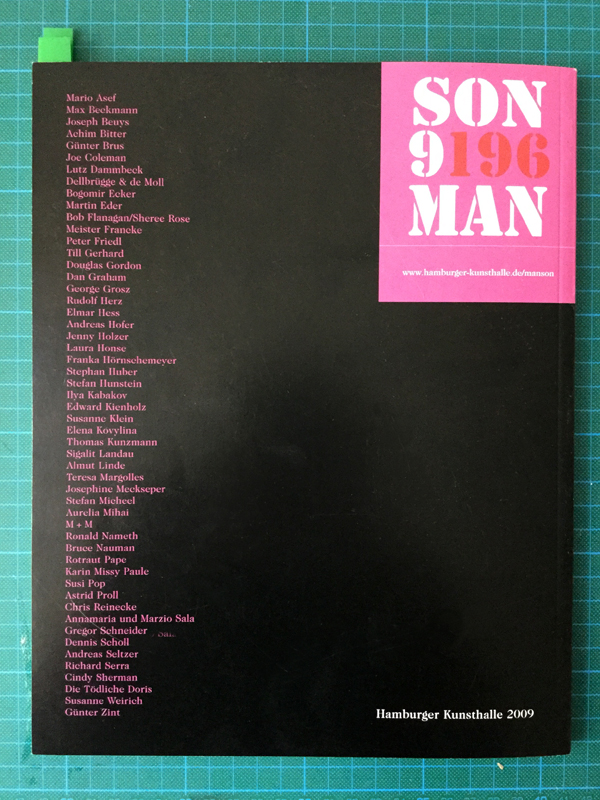
The exhibition MAN SON 1969 –The Horror of the Situation explores the lure and danger of extremes. It takes as its starting point a series of historical events in aesthetics and politics, lifestyle and counterculture in the 1960s, the significance of which is a subject of continuing heated debate. Twenty international contemporary artists have been invited to look back at the events of 1969 and contribute new works that articulate the ambivalence of extremes in that era of far-reaching social transformation. These contemporary positions will be juxtaposed with three paintings from different historical eras, including Master Francke’s Christ as the Man of Sorrows and George Grosz’s John the Sex Murderer. Charles Manson, a central figure of American hippie culture, is believed to have instigated the murders of Sharon Tate and six other people, a crime for which he is currently serving life in prison. As the subject of intense and controversial media interest, the name and persona of Charles Manson provide a framework for the context of the exhibition as a whole.
ERRANT SOUNDs
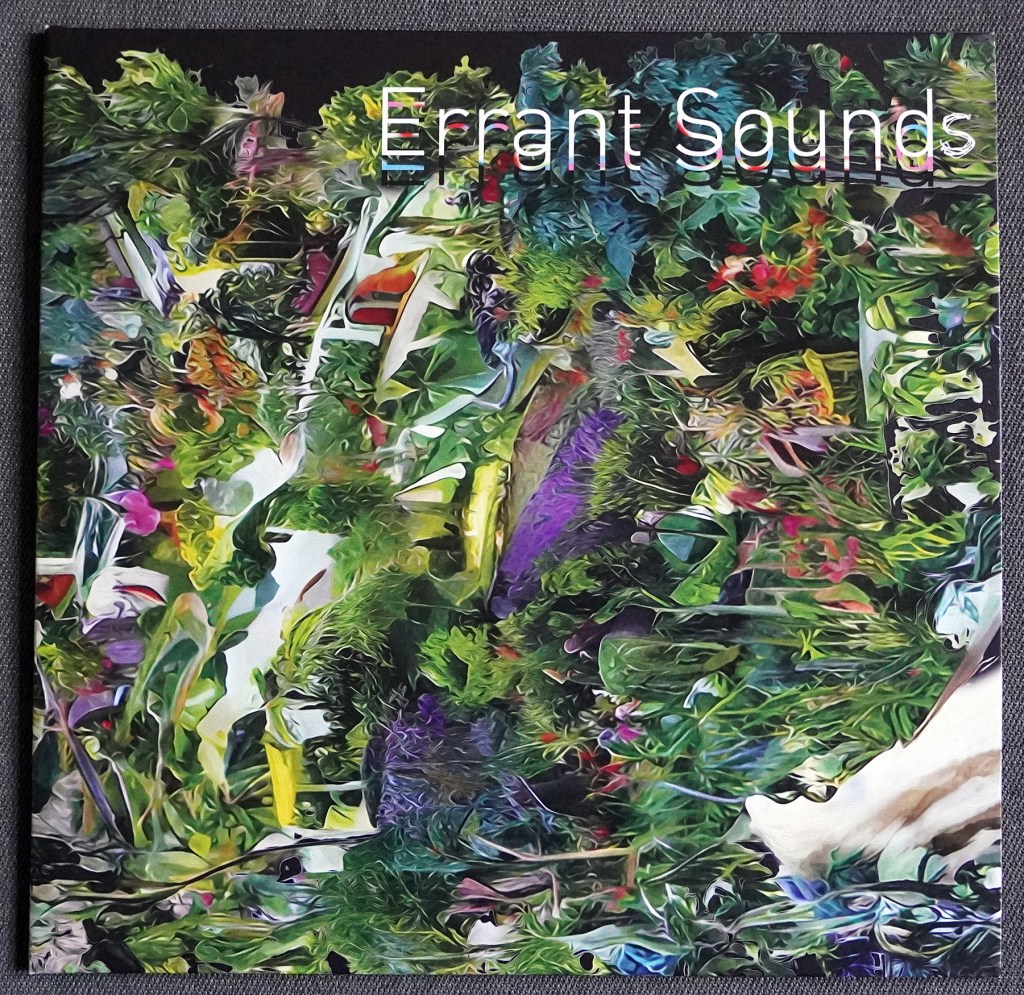
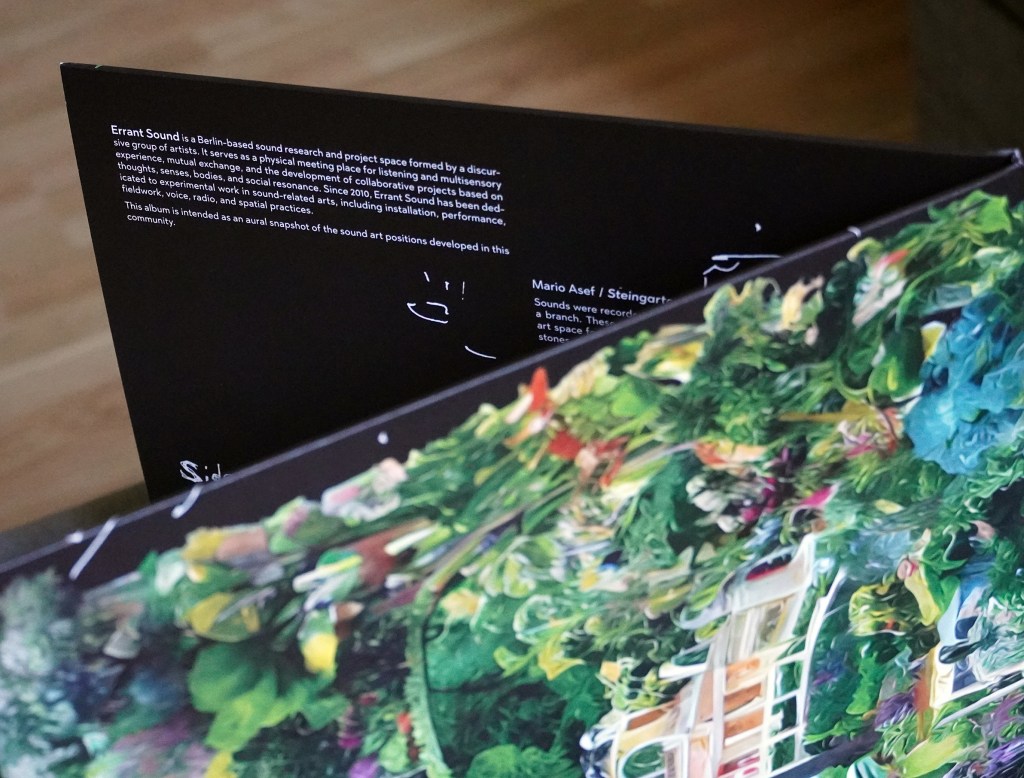
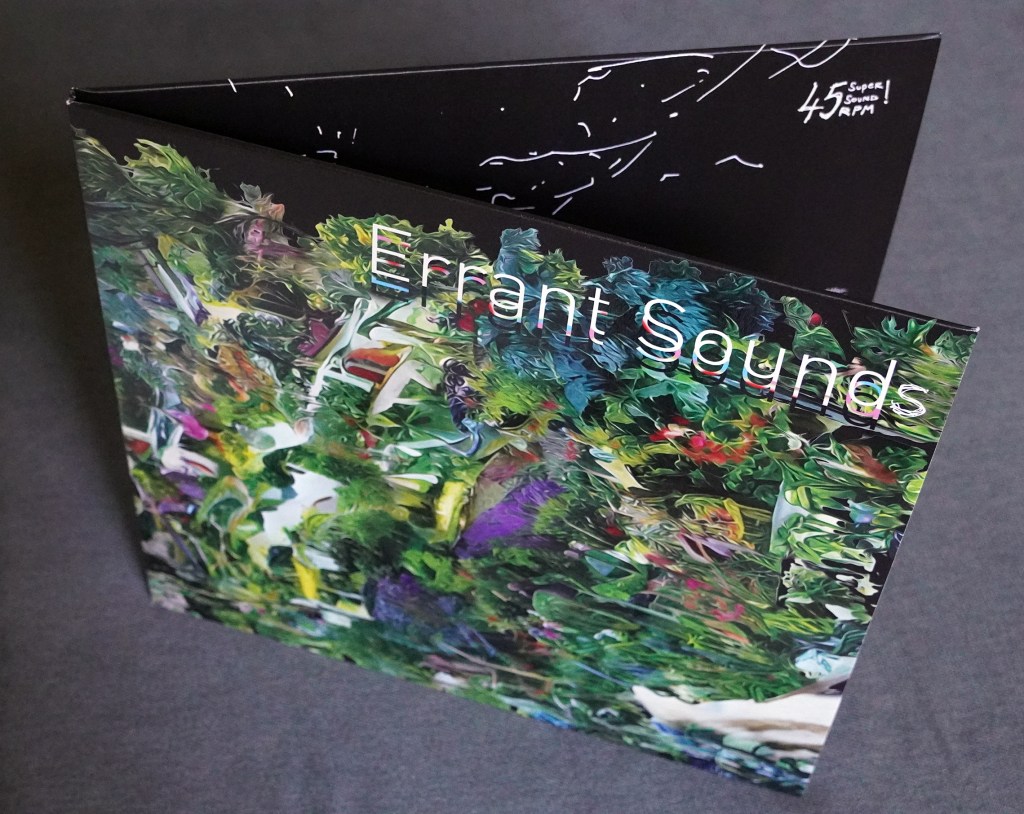
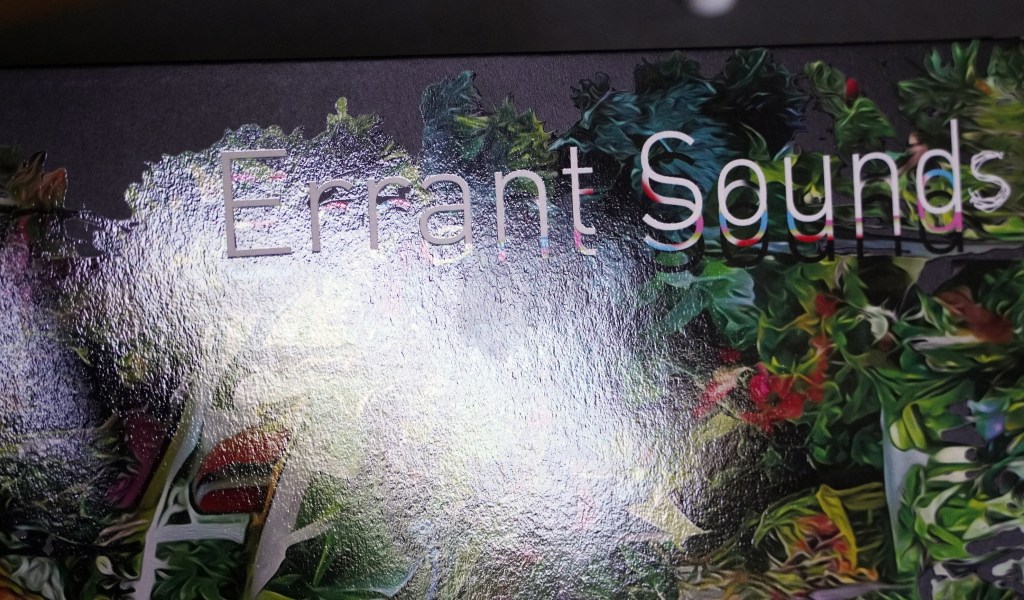
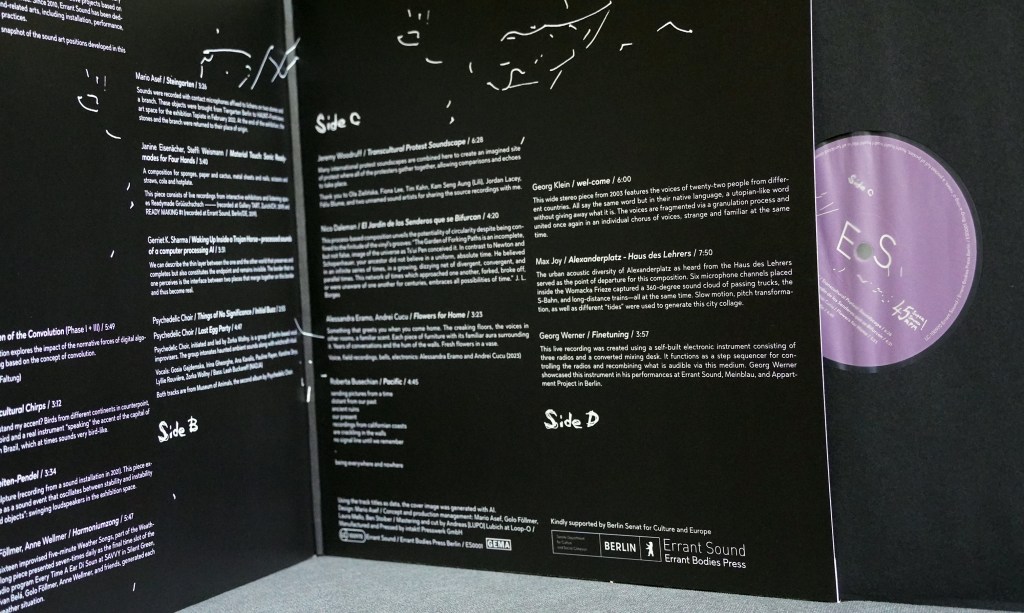
Errant Sounds is the first collective double LP from the Berlin-based Errant Sound group, a platform recognized internationally for its sound art project space. The 16 pieces featured on this high-quality vinyl offer a diverse range of sound art perspectives, exploring themes of materiality, spatiality, and the technical and cultural forms of sound.
These works challenge conventional distinctions between improvisation and composition, performance and installation, as well as formal aesthetic approaches and those that blur the boundaries between subject and environment.
Contributors like Roberta Busechian, Andrei Cucu, Nico Daleman, Georg Klein, Thom Kubli, and Georg Werner incorporate electronic and digital sound principles while addressing social and media-political topics. Pieces by Jutta Ravenna and Gerriet Sharma examine how space can shape our experience of time. Laura Mello, Jeremy Woodruff, and Max Joy foreground urban soundscapes and social processes through field recordings, processing them compositionally or letting the raw sounds speak for themselves.
Mario Asef, Steffi Weismann, and Janine Eisenächer explore the tactile sonority of everyday objects, while Alessandra Eramo, Zorka Wollny, and the Psychedelic Choir, alongside Gívan Belá, Golo Föllmer, and Anne Wellmer, push the boundaries of voice and song.
Errant Sound / Errant Bodies Press Berlin (2024)
Design: Mario Asef
Concept and production management: Mario Asef, Golo Foellmer,
Laura Mello, Ben Stoiber
Mastering and cut: Andreas (LUPO) Lubich
kindly supported by Berlin Senat for Culture and Europe
Empirien
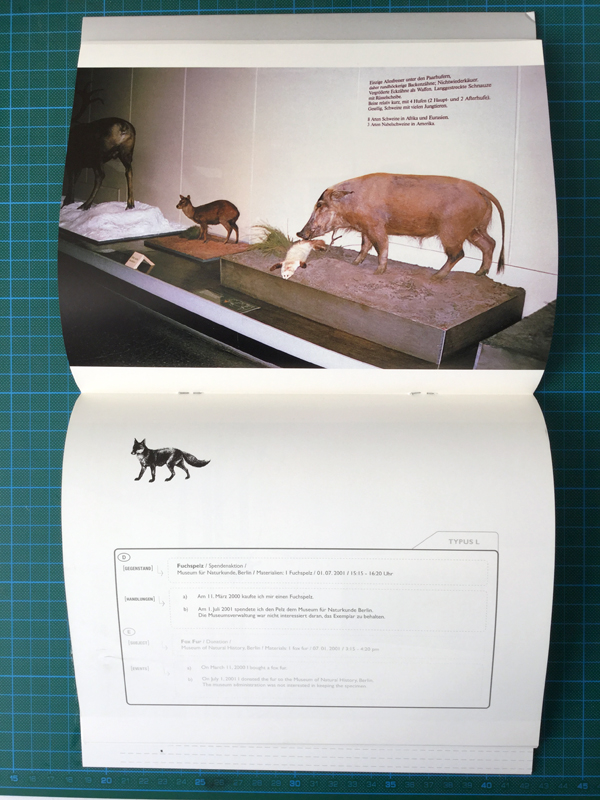
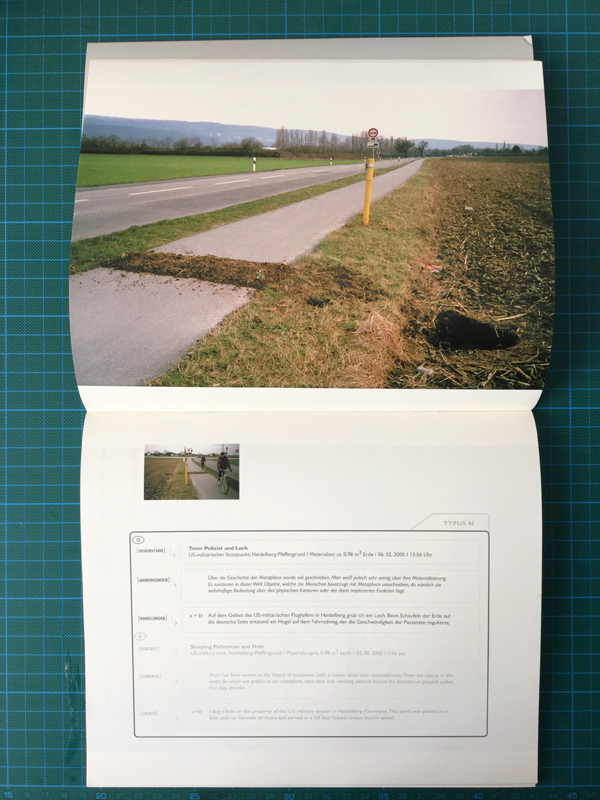
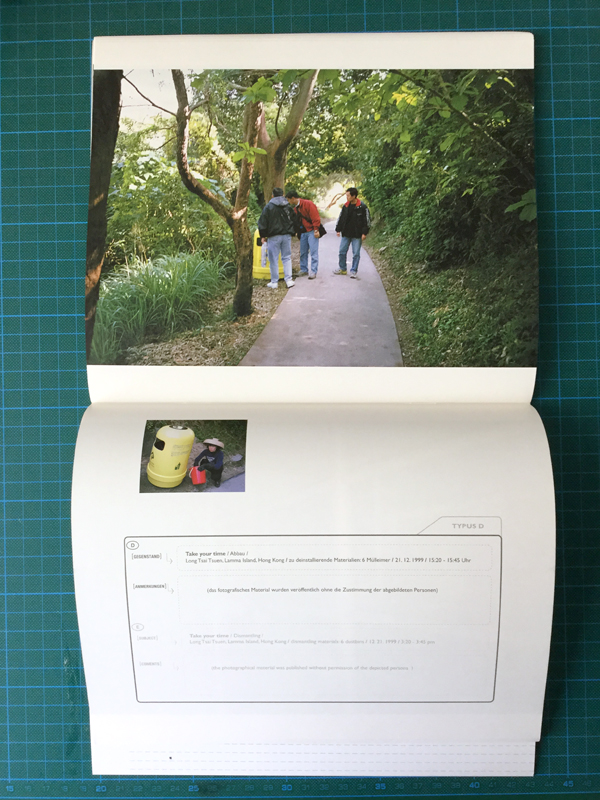
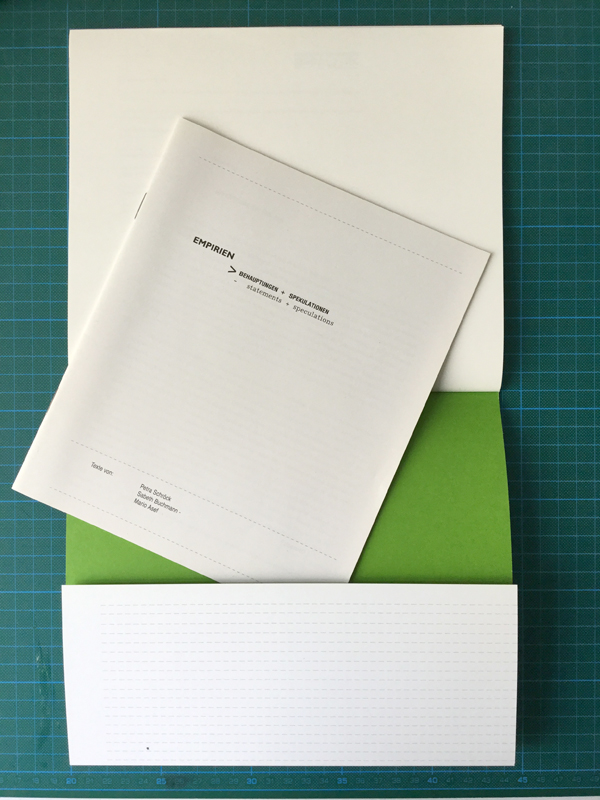
EMPIRIEN is a series of interventions in public space (1998-2006) that work with the transposition of signs as an idea of reorganizing elements of our urban surroundings. These interventions are reduced to almost imperceptible events that through a redefinition, or reconstruction, of everyday space try to make visible different social mechanisms.

Next Image – Daegu Photo Biennale 2018
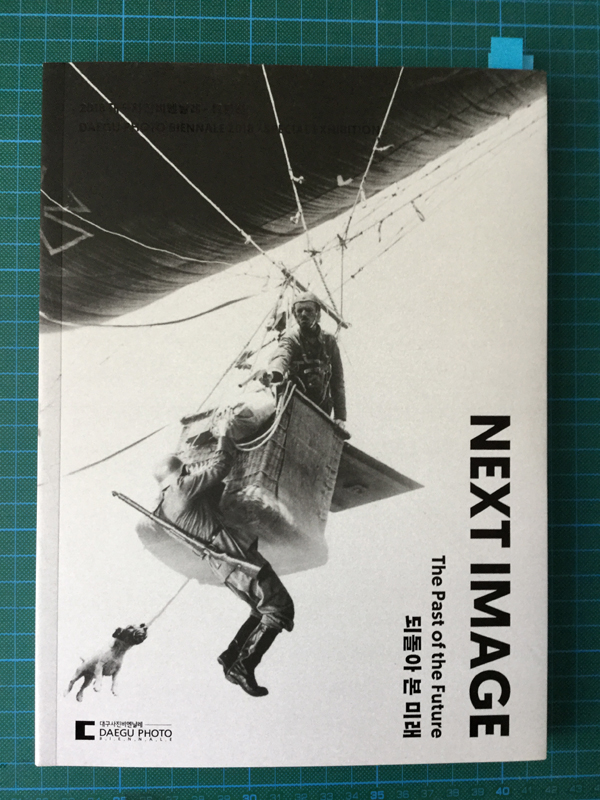
NEXT IMAGE is an expression used by Henry Cartier-Bresson, a legendary figure in modern photography, to define the attributes of photography and cinema. He noticed that the 24 images in 1 second always go toward ‘Next’ but soon disappear and become ‘Past’. The basic attributes of photographs always capture ‘Present’, but the situation in the photograph immediately becomes ‘Past’. While considering how to implement the theme of “The Future of Photography” as an exhibition, we decided to borrow this title “NEXT IMAGE” and chose “The Past of the Future” as a subtitle to support the exhibition concept more effectively.
Raumprothesen
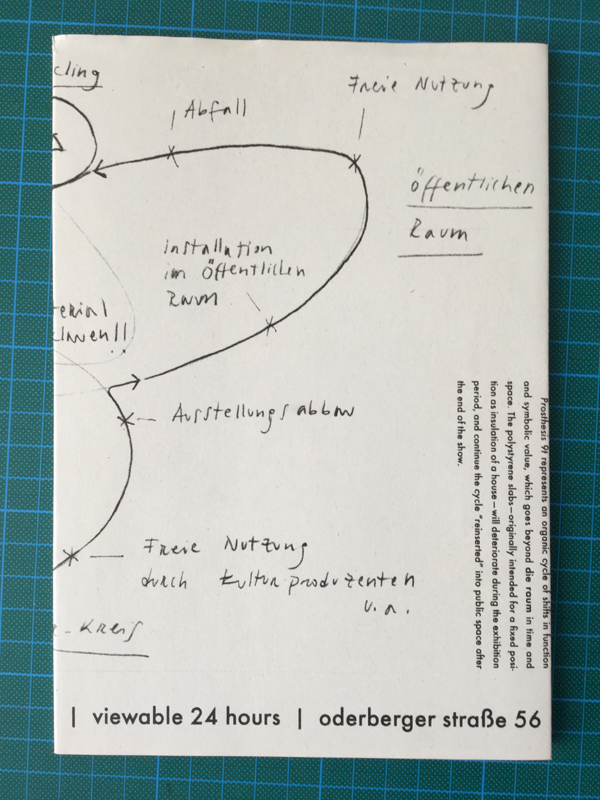
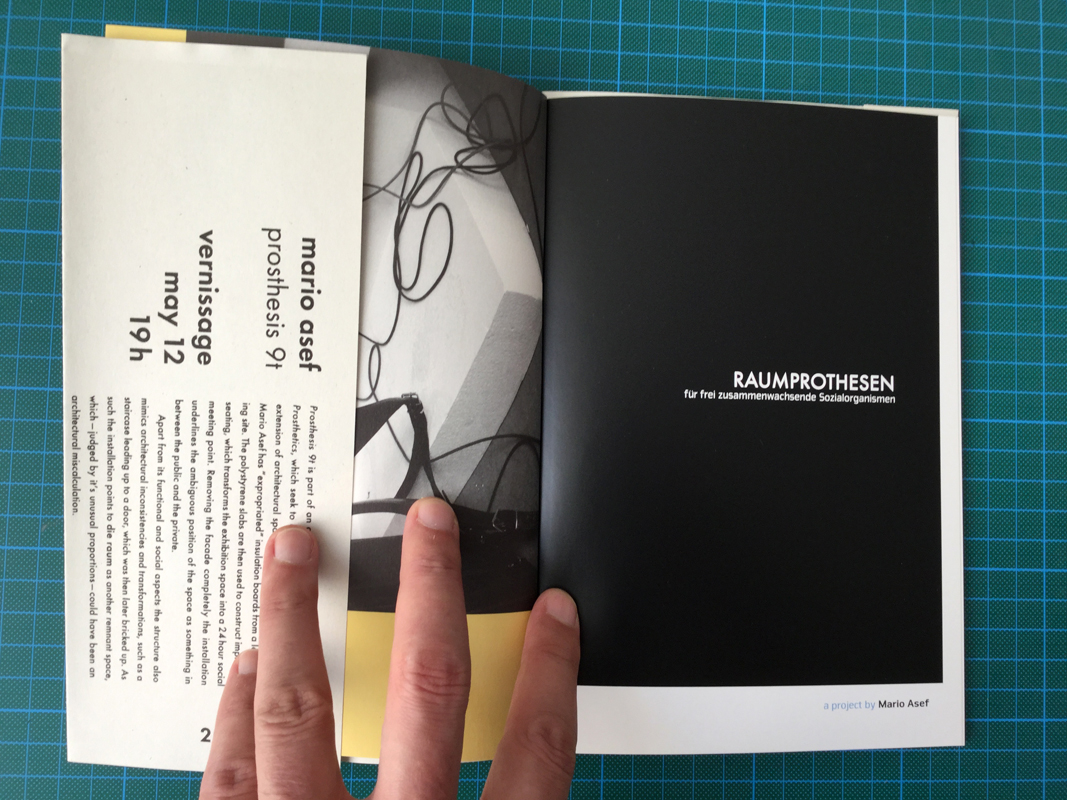
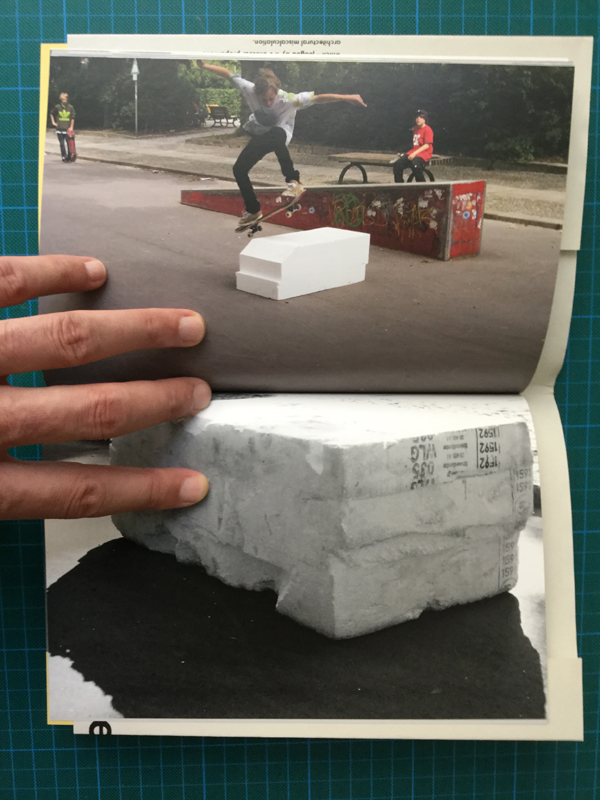
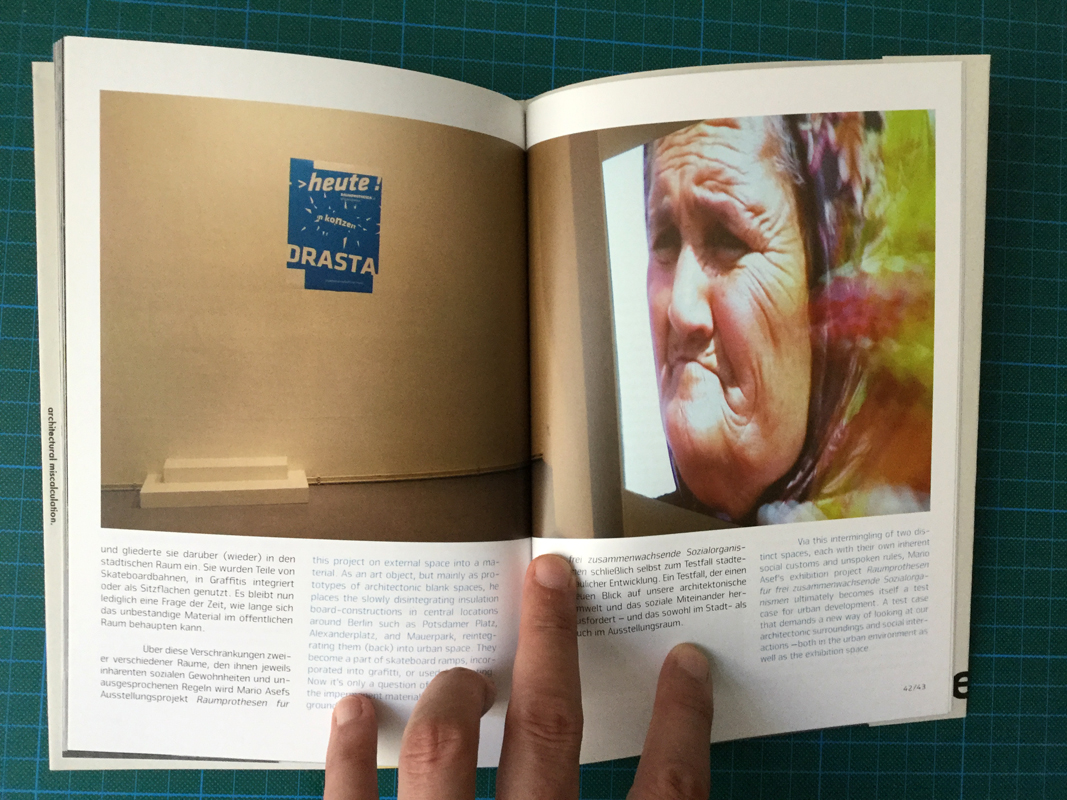
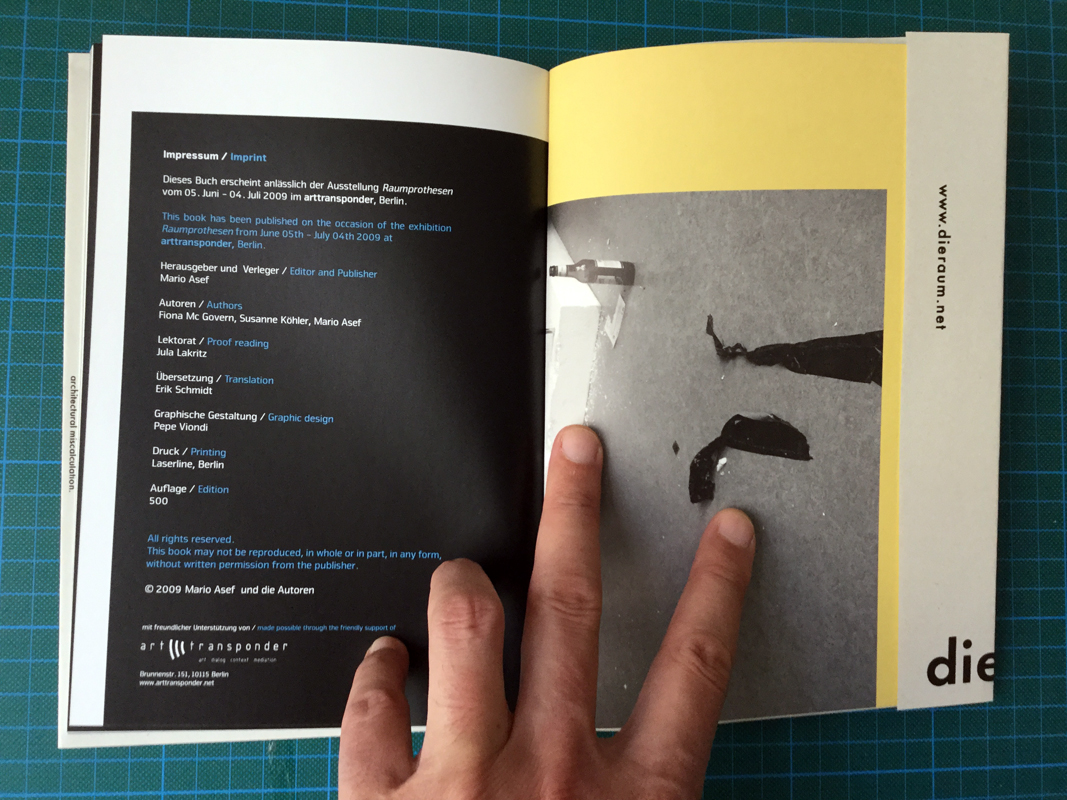
Raumprothesen proposes to investigate non-categorized elements of public space, or Raumprothesen (spatial prosthetics), as objects of design. Once installed, the Raumprothese will be seen as a unified extension of existing architecture. Furthermore, bringing cultural producers, such as video artist and performers, into the “white cube” will serve as a meeting point for Berlin’s art scene. The work will function as a platform that attempts to portray social space on a symbolic level while providing an ideal location for co-existence. The idea is to generate a contextual shift in how cultural output is valued, whereby cultural producers and cultural consumers engage one another according to a different set of rules.
 Mario Asef