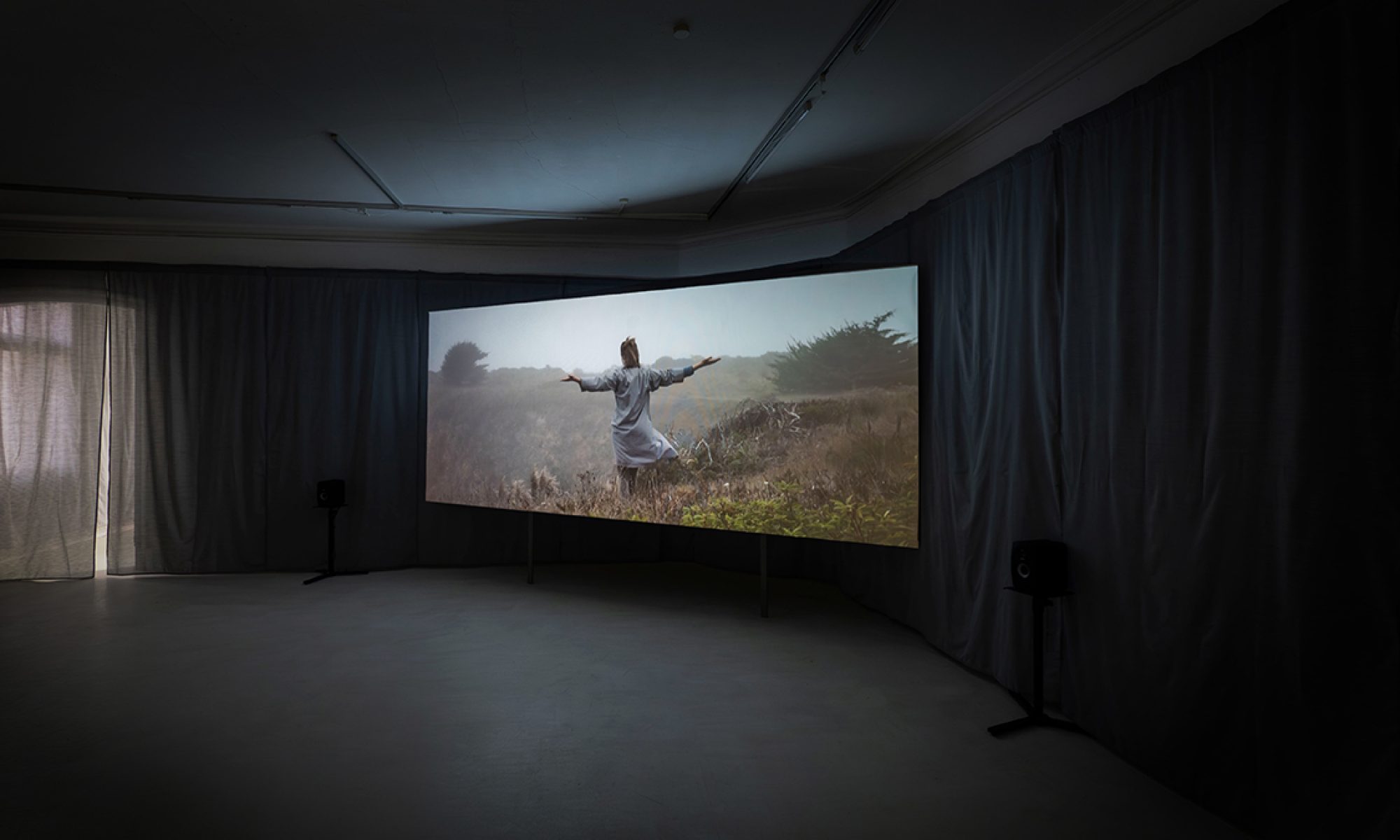
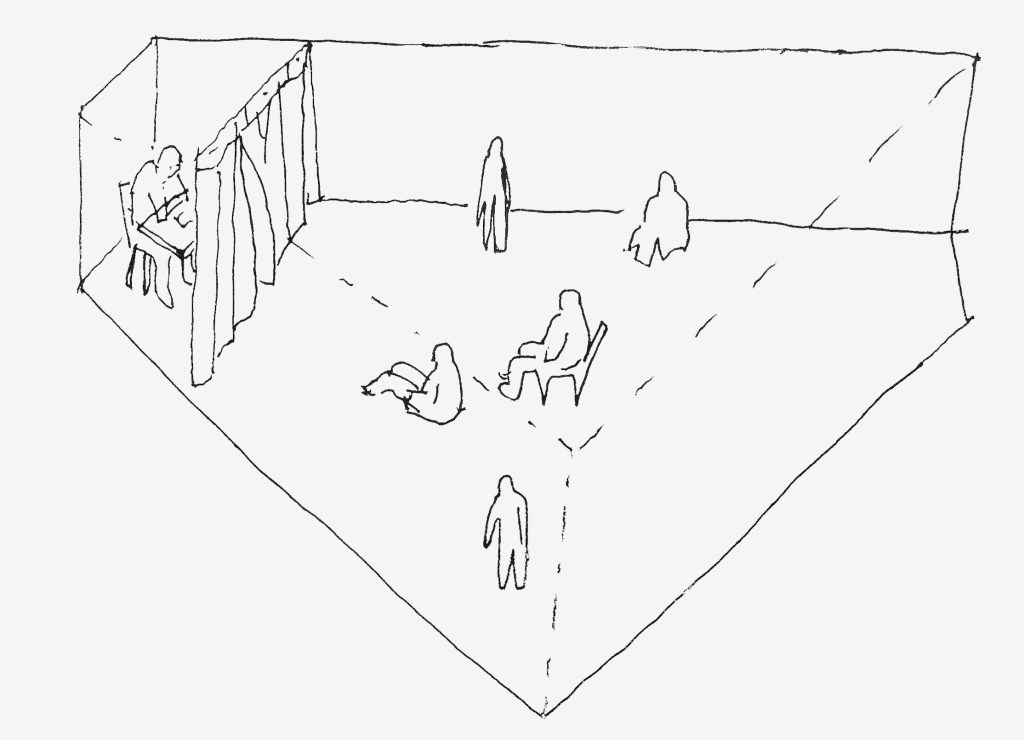
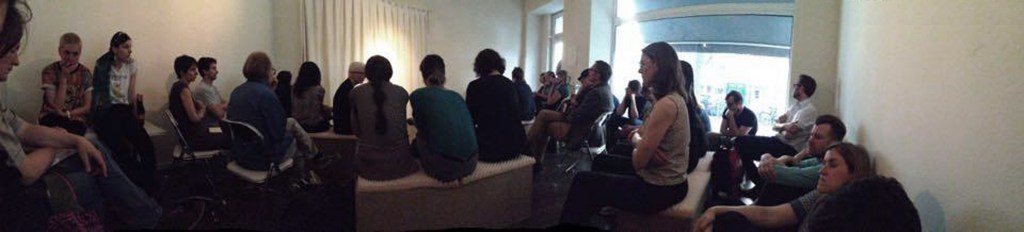
The Acousmatic Lectures are a laboratory for investigating phenomena that are directly related to voice and its research-based, artistic, and social dimensions. The Acousmatic Lectures have roots in discursive practices and propose a listening experience based on the Pythagorean acousmatic model: a mode of presentation in which the speaker is hidden from the public. The term references to a Pythagorean tradition according to which only Pythagoras’s most devoted students were allowed to see and visually perceive him during his lectures (Mathematikoi). By contrast, newcomers were made to sit in front of a curtain concealing the master’s physiognomy. Students were therefore left without any visual information and had to try to follow the lectures solely by attentive listening (Akousmatikoi).
The Acousmatic Lectures are a laboratory for investigating phenomena directly related to acoustic information and its research-based, artistic, and socio-political dimensions. The conveyance of information between speaker and audience, as well as the surrounding context, is stripped of any extraneous visual aids and the setting is created by acoustic means alone—through speaking and listening. No technological amplification is used for the Acousmatic Lectures. In this way, the natural volume of the speaker’s voice and its tonality are able to convey their physical presence more closely. Here, the voice is defined as an acoustic space that is capable of transmitting a wide variety of physical and affective communicational idiosyncrasies. The emphasis in these lectures is placed on the dialectical investigation of abstract linguistic information and on the voice’s own sensory acoustic information, confronting the audience with what is most central to this project: listening.
The speakers are academics and scholars who talk about their specific areas of expertise. The intention is to observe what impacts the acousmatic settings have on participants, and specifically without the influence of any other effects.
The aim is to develop a critical tool for listening and apprehension that can be used for artistic and/or analytical, research-based purposes. The Acousmatic Lectures’ simple but rigorous setting requires participants to summon all their possible auditory abilities to help define both the physical presence of the speaker and of the surrounding space. The lecture functions in part as a guiding element that describes the space acoustically, integrating the physical and spatial presence of the participants. As a result, the process of listening branches out into various directions, requiring one to constantly choose what to listen to (the properties of the voice in the particular space? The hum of the space in general? The shifting of bodies on my side of the curtain? My stomach growling?).
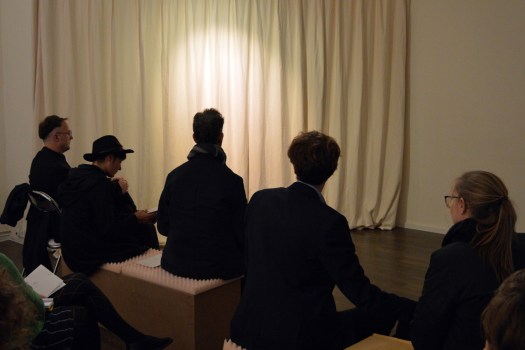
The performative character of the Acousmatic Lectures condenses the classic academic lecture scenario into an acoustic experience that functions both informationally – on a linguistic level – as well as qualitatively – on the affective level of the voice – and is capable of transforming the situation, content, and space. These aspects are made legible through the ways in which the voice’s acoustic characteristics interact with the surrounding space. As such, the lectures might be experienced as a means for determining the interaction and transference of linguistic and affective sensory information. Already Iamblichus in the late 3rd century was aware of the active engagement within the Acousmatic situation: ”The philosophy of the Acousmatics [akousmatikon philosophía] consists of oral instructions without demonstration and without argument: e.g., “In this way one must act.” (Iamblichus 1975. chap. 18, §82)
We know little about the actual functions of Pythagoras’s acousmatic veil, but we can experiment with the effects of the “acousmatic curtain.” If we consider the acousmatic curtain as a medium, we are able to ask: What kind of transformative function does it fulfil? How does it influence voice, language, and sound, or the relationship between the speaker and their surrounding space? And what is the Pythagorean curtain capable of today?
Lecturers:
Sven Spieker / Sabeth Buchmann / Federico Geller / Birgit Schneider / Hans-Jörg Rheinberger / Marcus Gammel / Markus Gabriel / Mladen Dolar / Alex Arteaga / a.o.
more infos >
https://acousmaticlectures.com/
Publication
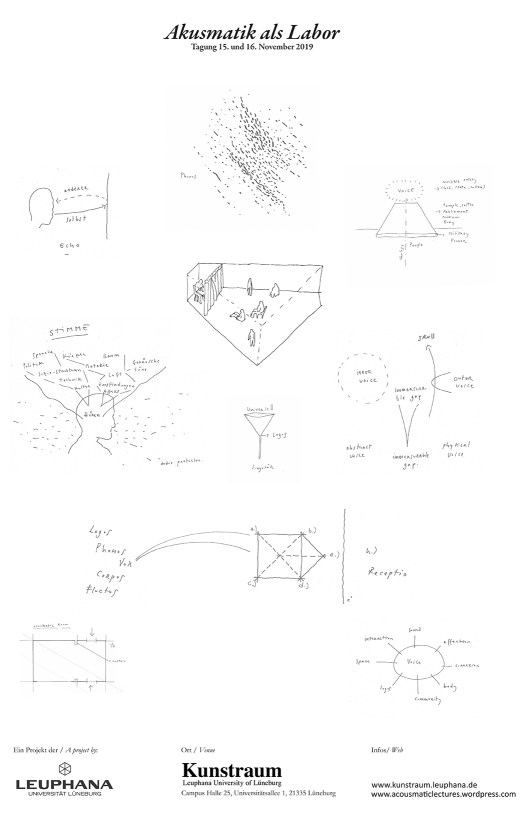
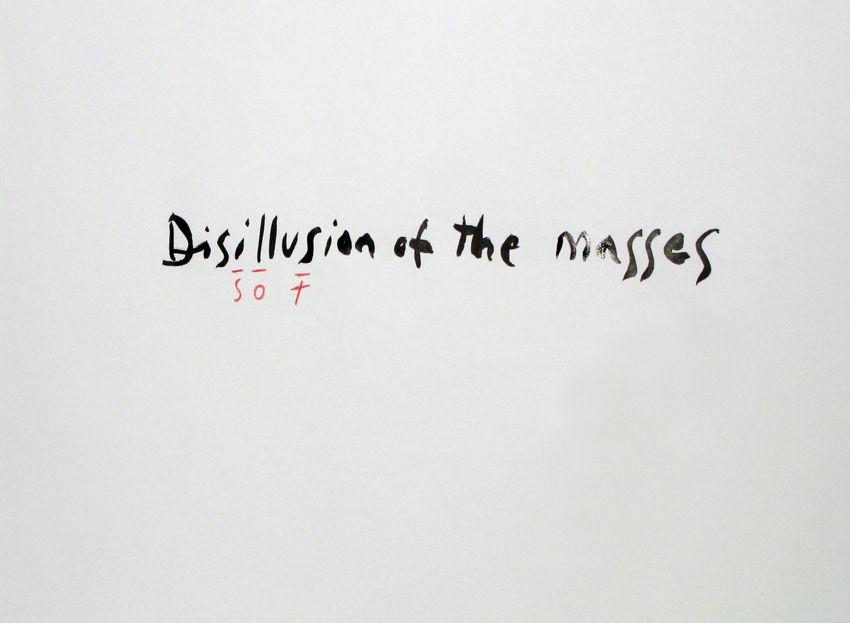
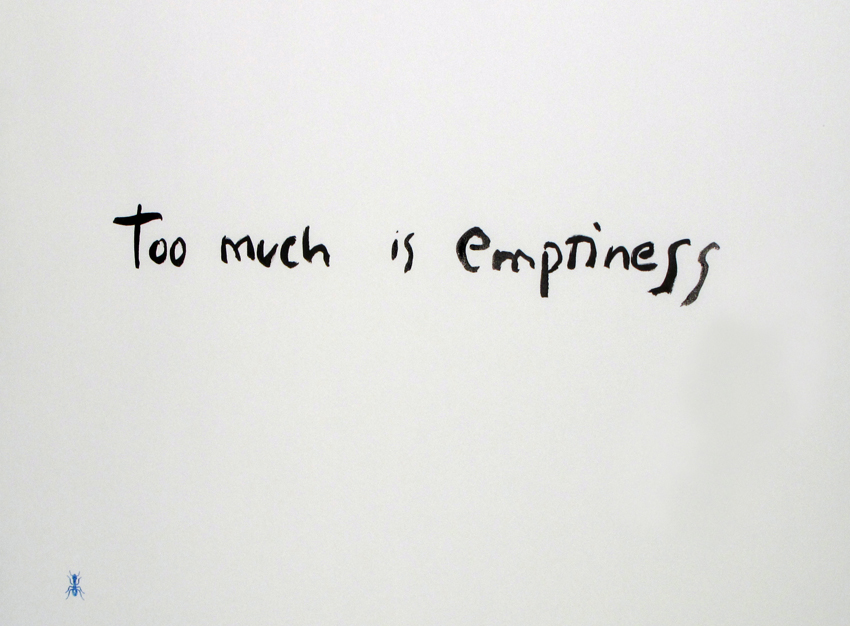
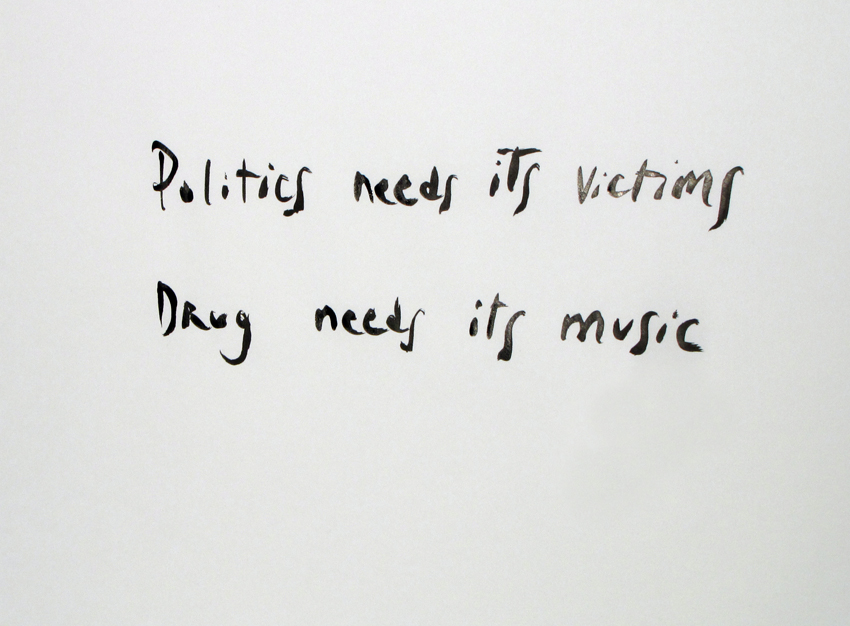
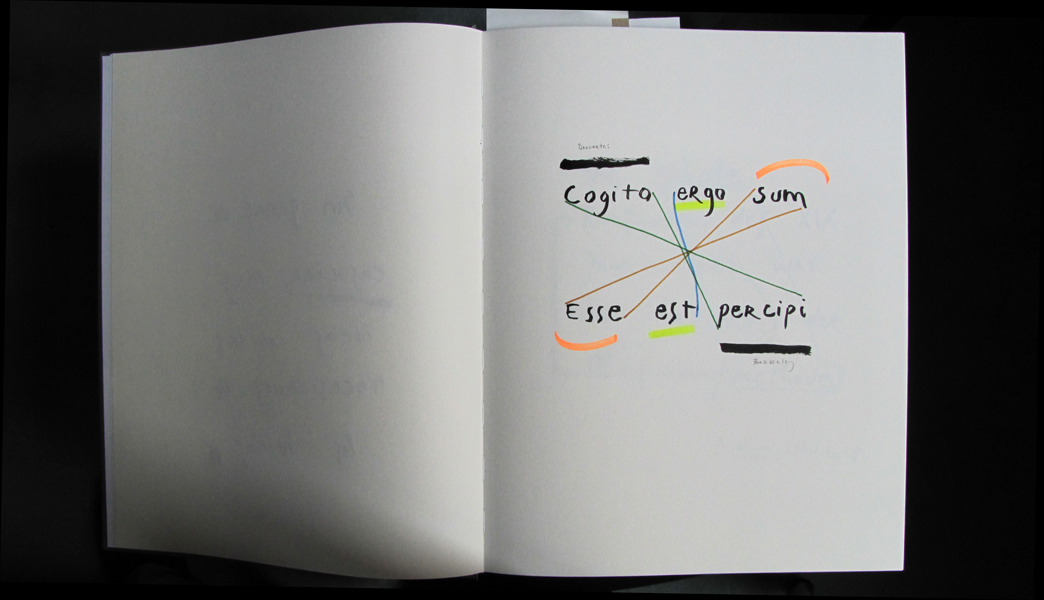
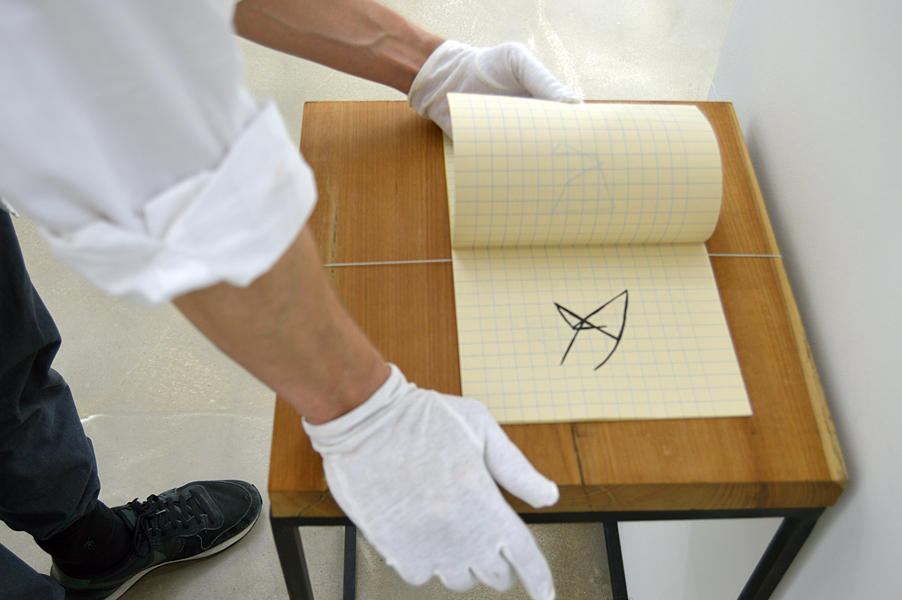
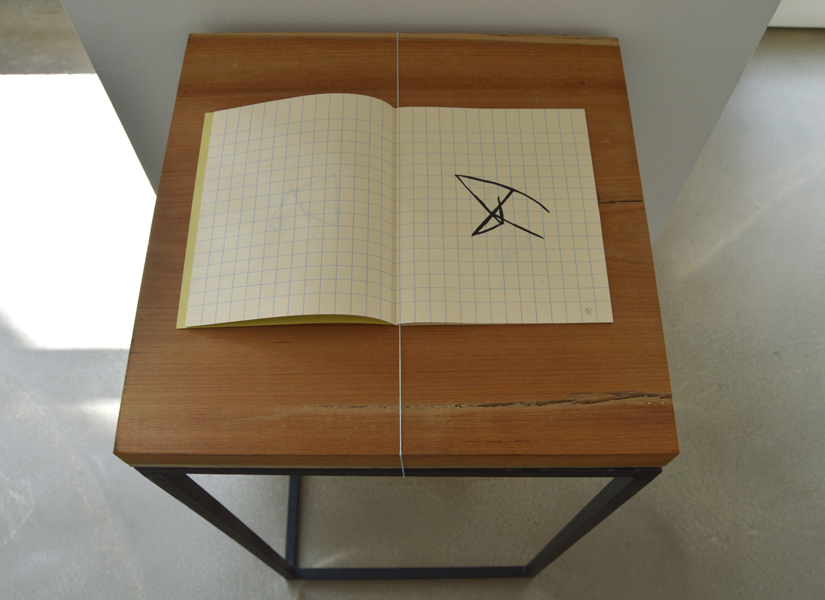
The book is conceived as a working tool that connects reflections on the topic with their media and spatial relevance. The layout of the book is intended to express the two sides of the curtain that separates the audience from the lecturers at Mario Asef‘s Acousmatic Lectures. To the left and right of the text column, wide margins are left blank, which are meant to provide space for Asef‘s drawings and diagrammatic interventions, but also for comments of the readers.
This creates a third narrative that runs parallel to the contributions of the authors gathered here.
Two fold-out, color double-pages in the middle of the volume show the curtain of the Acousmatic Lectures. Within this curtain we gather responses in English from selected participants of the series. Hans-Jörg Rheinberger (2017), Alex Arteaga (2017) and Mladen Dolar (2021) exemplify their experiences with their lectures in the context of Asef‘s project.
Printed on the back of the curtain are two sound maps that refer specifically to the lectures of philosopher Markus Gabriel and Mladen Dolar. All contributions in this part of the book are provided with QR codes that allow online access to the corresponding Acousmatic Lectures.
Editors: Sven Spieker, Mario Asef 2023
Authors:
Alex Arteaga, Mario Asef, Johannes Block, Sabeth Buchmann, Mladen Dolar, Bernhard Dotzler, Wolfgang Ernst, Tim Hagemann, Bernd Harbeck-Pingel, Irene Lehmann, Jurij Murašov, Deniza Popova, Hans-Jörg Rheinberger, Sabine Sanio, Holger Schulze, Sven Spieker, Mai Wegener
more infos >
NEW BOOK RELEASE! Akusmatik als Labor: Kultur–Kunst–Medien
S. Spieker, M. Asef (Hrgs.). Verlag Könighausen Neumann
Listen to the Acousmatic Lectures online!
visit the official page > http://www.acousmaticlectures.com
Interview für w/k Zwischen Wissenschaft & Kunst – Online-Journal (German)




 Mario Asef