
What would happen, if nature were a nation? Imagine all kinds of non-human entities uniting as a nation. All nations worldwide would have to recognise its legitimacy and respect its laws and rules. Isn’t it already happening? Today we are aware of a complex interconnected underground network of fungi and plants that covers 90% of the planet. This network daily exchanges nutrients and environmental information throughout a big range of species to keep their ecosystems balanced. If we could give this vast network a voice, what would it tell us?
Kemmuna Nation explores the notion of a global nation consisting of non-human, self-organizing entities that create their own economic and political system based on specific, pre-existing, structural interconnections between species.
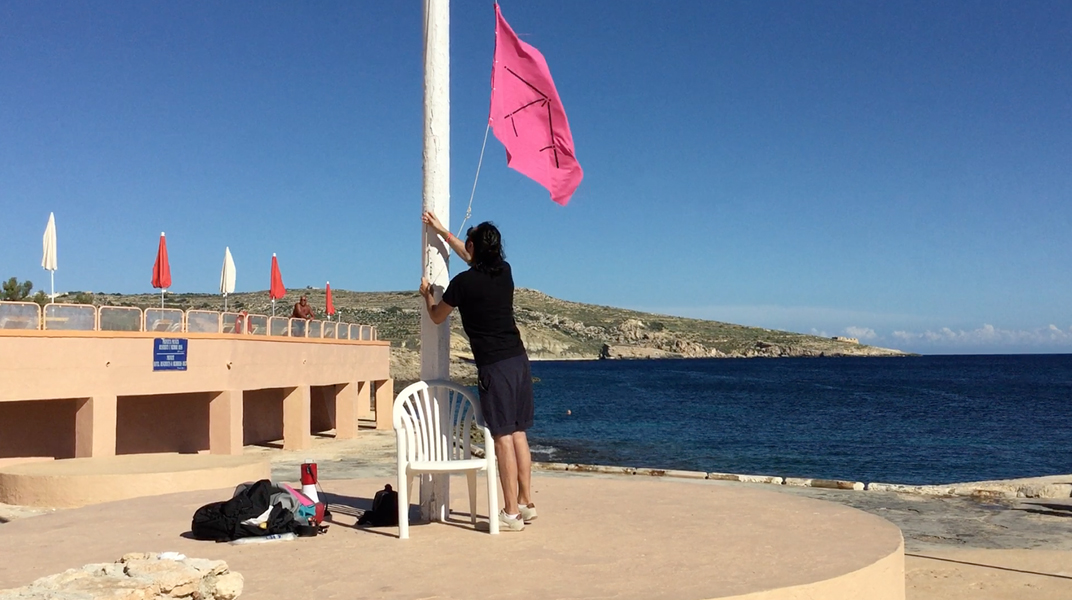
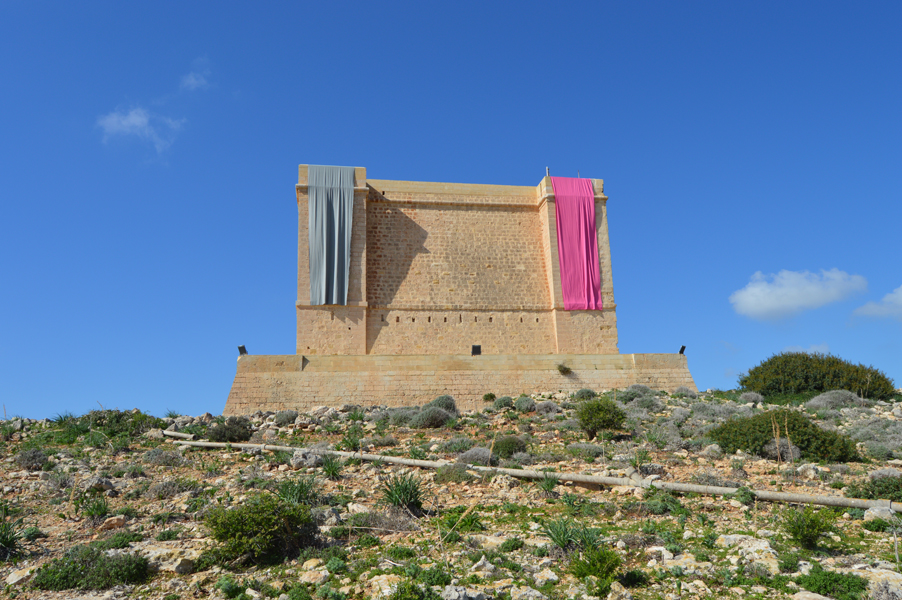
In 2018, I was invited by FRAGMENTA Malta to present this thought-experiment. We took over the island of Comino to explore different aspects of the project. At different locations we had a lecture about lichens as an example of successful symbiosis, a lecture about Blockchain and its application for giving the network a voice, a participatory sound installation, a sound walk to sensitise our perception towards minerals and at the end an independence speech as a statement of this new-born nation.

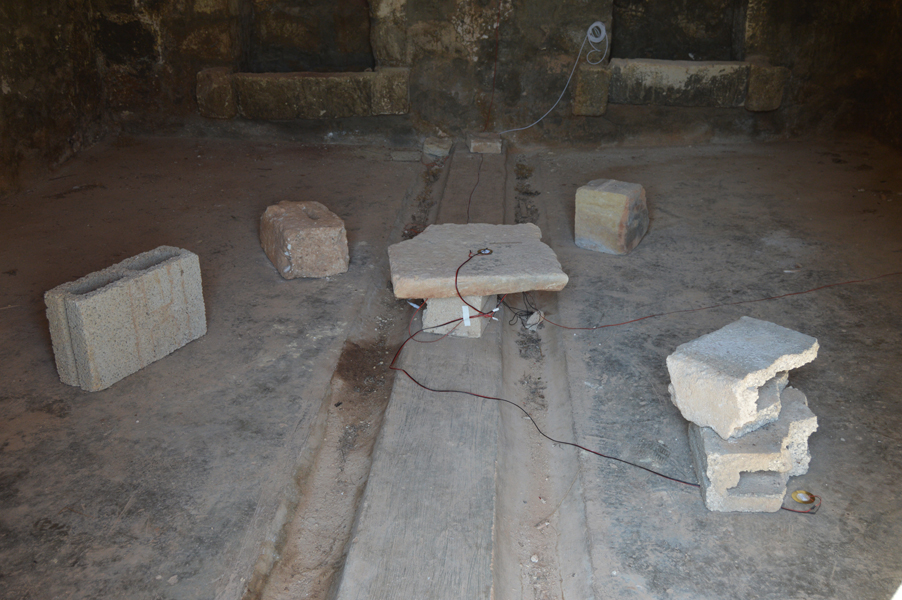
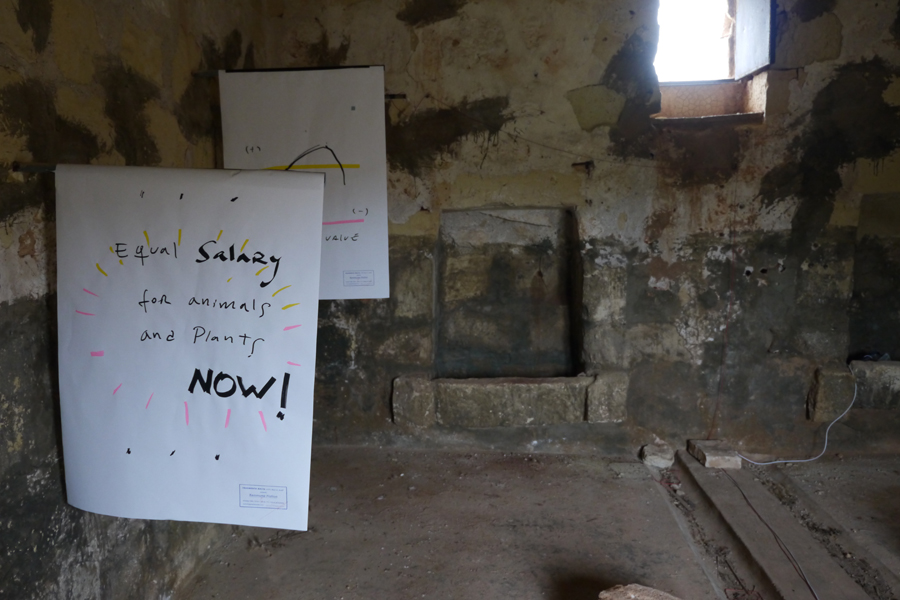
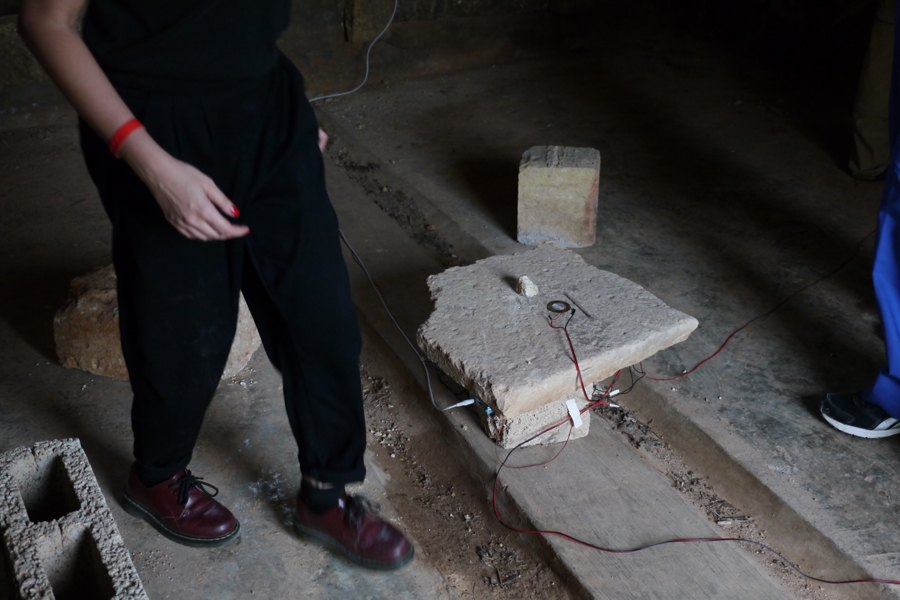

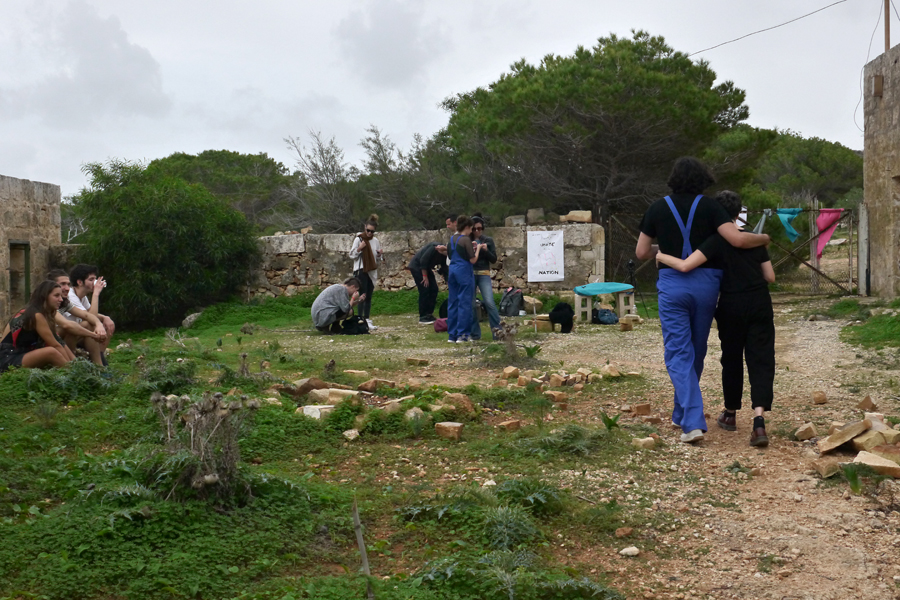
The foundation on which the system structures itself is played out on the mineral level contained in the soil, which is connected with different species of plants through an underground network of mycorrhizal fungi. This system generates nutrients for insects and animals, including humans. In this way and considering the amount of plants, which are being eaten by those, mycorrhizal fungi get an overview of the animal population (also by communicating with other fungi growing on animal corpses and feces).
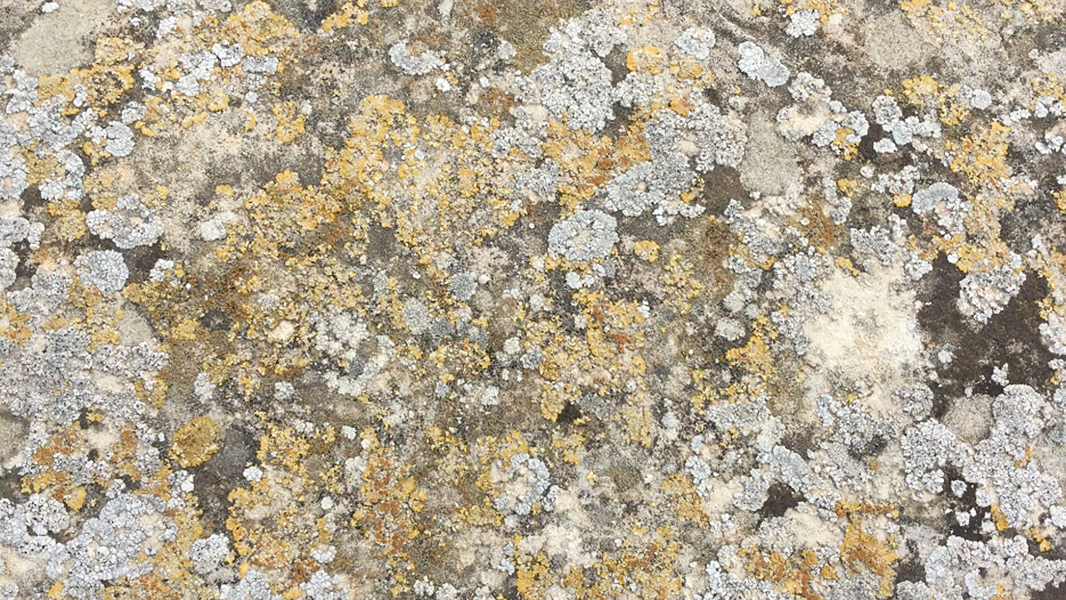

Thus, the mycorrhizal network administrates life on the planet by exchanging nutrients and information through carbon dioxide. With the help of lichen, which has also a fugi component, Kemuna Nation can build biomonitors for air pollution. Many lichen species have large geographical ranges, allowing study of pollution gradients over long distances. This information torrent can be measured by sensors on the ground and interpreted by a central computer, which, through an algorithm, determines the value of a cryptocurrency.
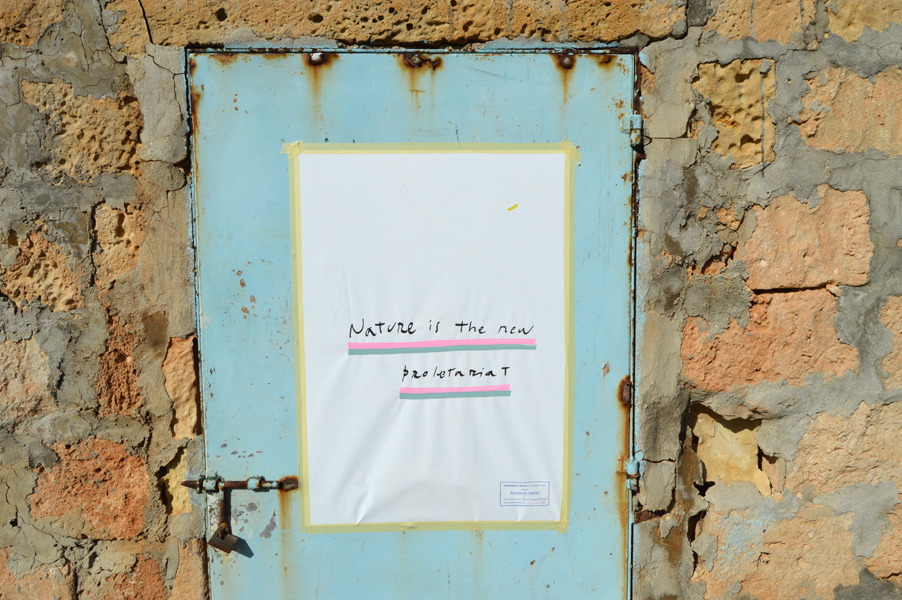
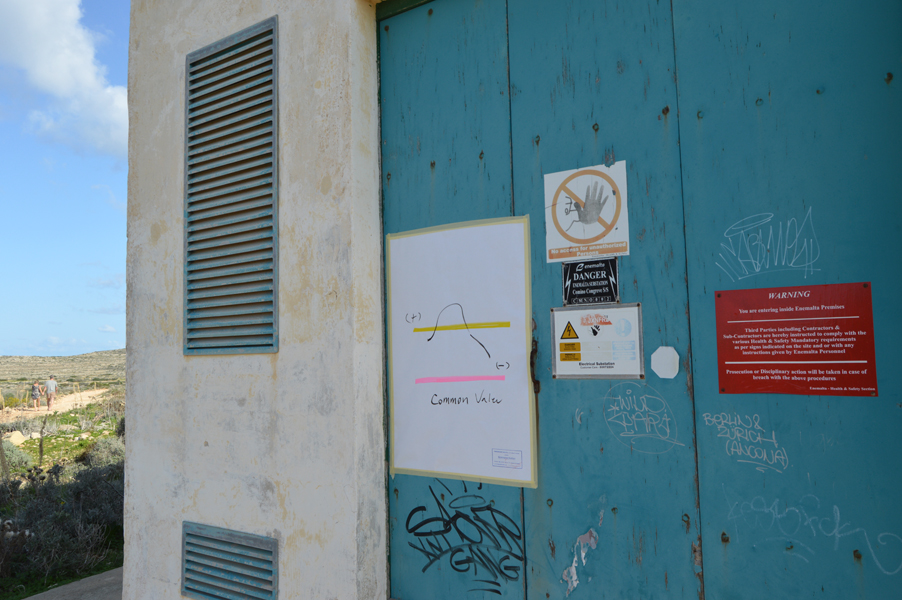
This new currency is called Kemmuna Coin, and will be used by humans to pay transactions with the earth. All raw material taken by humans from Kemmuna Nation need to be retributory paid with Kemmuna Coins. Violations of law will also be charged in Kemmuna Coins. In this way pollution and explotation of nature can be a factor that altered the value of that monetary exchage between mankind and nature. Constituting so a self-regulated system, that also regulates the human factor of the system.
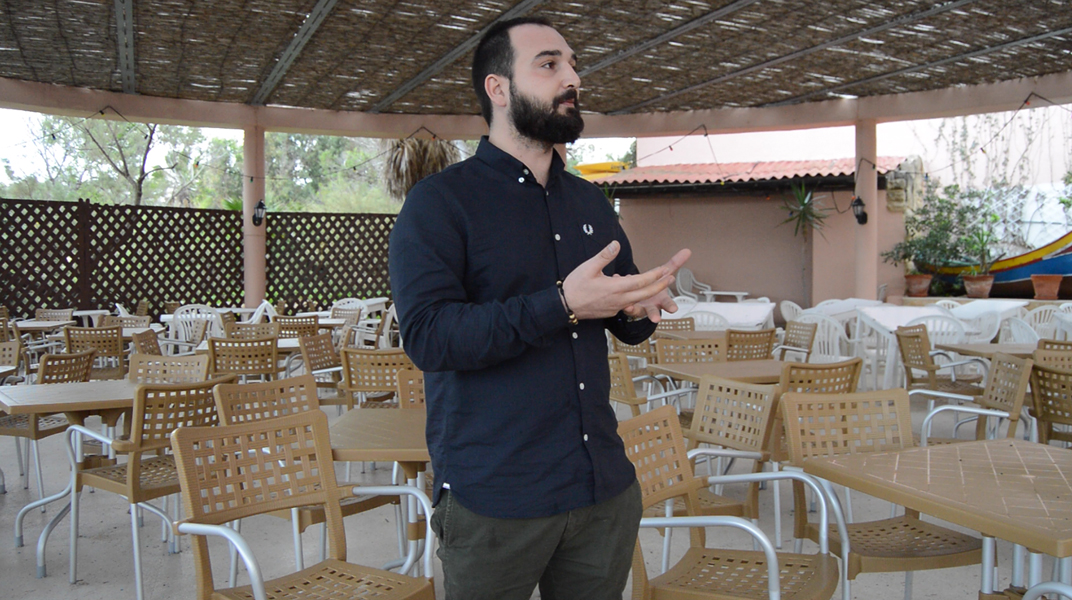
“In the age of the Anthropocene, the end is near. The ideal of a shared world no longer exists, political philosophy has lost its language, globalization is experiencing a negative reversal. Now, the earth starts fighting back. October 28th will be the date: nature declares its own independency. Plants, animals and minerals will unite to build the most powerful nation in the world, leaving behind times of plunder and exploitation through men. This will be the day that the world order will take a new shape. Join us to be witness of the birth of Kemmuna Nation.”

Watch the documentary about this project here:
Artist talk at Haunt Berlin




 Mario Asef