Acousmatic Lectures


Errant Sound

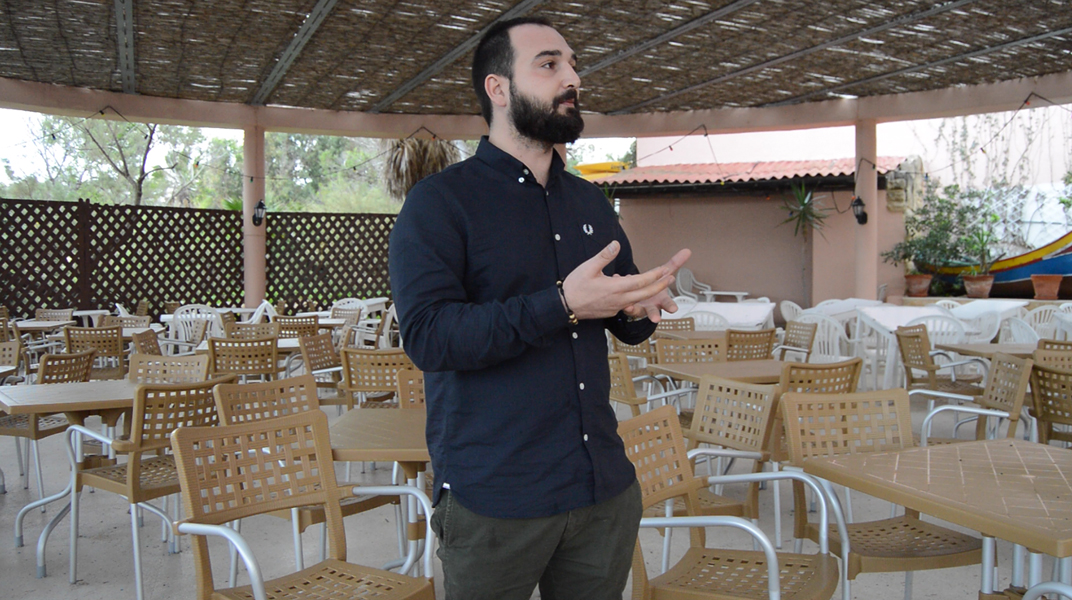
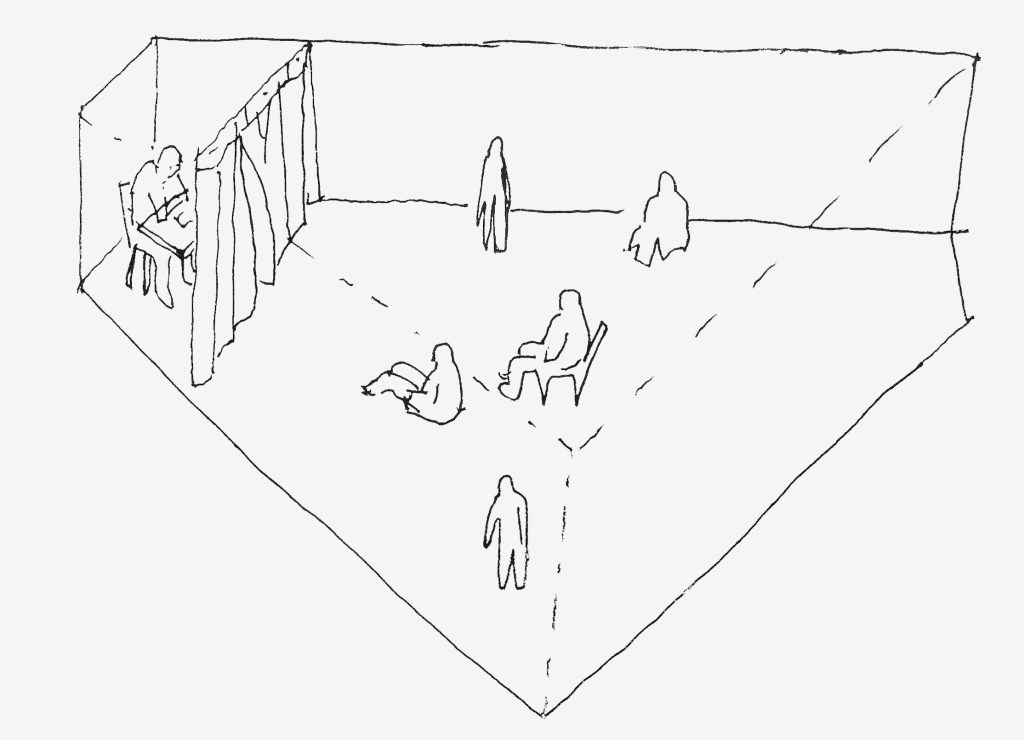
The Acousmatic Lectures are a laboratory for investigating phenomena that are directly related to voice and its research-based, artistic, and social dimensions. The Acousmatic Lectures have roots in discursive practices and propose a listening experience based on the Pythagorean acousmatic model: a mode of presentation in which the speaker is hidden from the public. The term references to a Pythagorean tradition according to which only Pythagoras’s most devoted students were allowed to see and visually perceive him during his lectures (Mathematikoi). By contrast, newcomers were made to sit in front of a curtain concealing the master’s physiognomy. Students were therefore left without any visual information and had to try to follow the lectures solely by attentive listening (Akousmatikoi).

The Acousmatic Lectures are a laboratory for investigating phenomena directly related to acoustic information and its research-based, artistic, and socio-political dimensions. The conveyance of information between speaker and audience, as well as the surrounding context, is stripped of any extraneous visual aids and the setting is created by acoustic means alone—through speaking and listening. No technological amplification is used for the Acousmatic Lectures. In this way, the natural volume of the speaker’s voice and its tonality are able to convey their physical presence more closely. Here, the voice is defined as an acoustic space that is capable of transmitting a wide variety of physical and affective communicational idiosyncrasies. The emphasis in these lectures is placed on the dialectical investigation of abstract linguistic information and on the voice’s own sensory acoustic information, confronting the audience with what is most central to this project: listening.

The speakers are academics and scholars who talk about their specific areas of expertise. The intention is to observe what impacts the acousmatic settings have on participants, and specifically without the influence of any other effects.

The aim is to develop a critical tool for listening and apprehension that can be used for artistic and/or analytical, research-based purposes. The Acousmatic Lectures’ simple but rigorous setting requires participants to summon all their possible auditory abilities to help define both the physical presence of the speaker and of the surrounding space. The lecture functions in part as a guiding element that describes the space acoustically, integrating the physical and spatial presence of the participants. As a result, the process of listening branches out into various directions, requiring one to constantly choose what to listen to (the properties of the voice in the particular space? The hum of the space in general? The shifting of bodies on my side of the curtain? My stomach growling?).
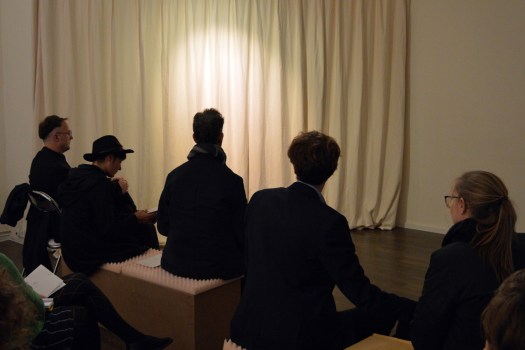
Acousmatic Lectures –view–

The performative character of the Acousmatic Lectures condenses the classic academic lecture scenario into an acoustic experience that functions both informationally – on a linguistic level – as well as qualitatively – on the affective level of the voice – and is capable of transforming the situation, content, and space. These aspects are made legible through the ways in which the voice’s acoustic characteristics interact with the surrounding space. As such, the lectures might be experienced as a means for determining the interaction and transference of linguistic and affective sensory information. Already Iamblichus in the late 3rd century was aware of the active engagement within the Acousmatic situation: ”The philosophy of the Acousmatics [akousmatikon philosophía] consists of oral instructions without demonstration and without argument: e.g., “In this way one must act.” (Iamblichus 1975. chap. 18, §82)

We know little about the actual functions of Pythagoras’s acousmatic veil, but we can experiment with the effects of the “acousmatic curtain.” If we consider the acousmatic curtain as a medium, we are able to ask: What kind of transformative function does it fulfil? How does it influence voice, language, and sound, or the relationship between the speaker and their surrounding space? And what is the Pythagorean curtain capable of today?

Lecturers:

Sven Spieker / Sabeth Buchmann / Federico Geller / Birgit Schneider / Hans-Jörg Rheinberger / Marcus Gammel / Markus Gabriel / Mladen Dolar / Alex Arteaga / a.o.

more infos >
https://acousmaticlectures.com/
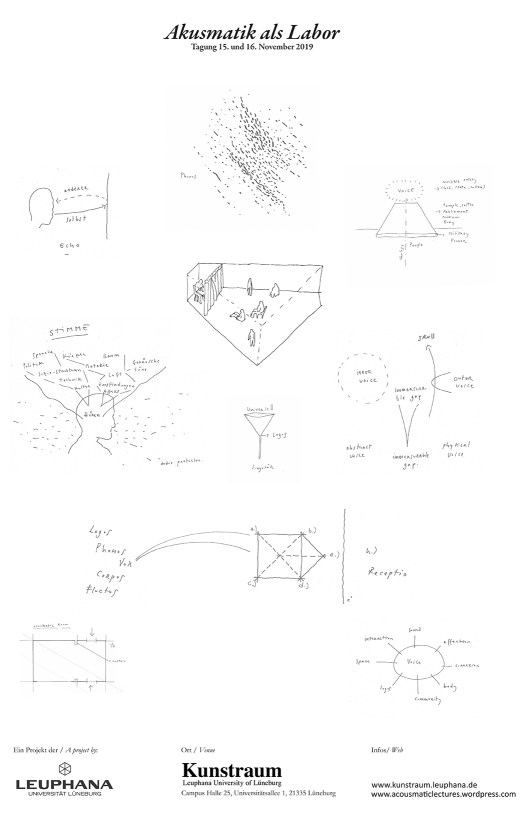
Poster symposium – Akusmatik als Labor

Publication

The book is conceived as a working tool that connects reflections on the topic with their media and spatial relevance. The layout of the book is intended to express the two sides of the curtain that separates the audience from the lecturers at Mario Asef‘s Acousmatic Lectures. To the left and right of the text column, wide margins are left blank, which are meant to provide space for Asef‘s drawings and diagrammatic interventions, but also for comments of the readers.
This creates a third narrative that runs parallel to the contributions of the authors gathered here.

Two fold-out, color double-pages in the middle of the volume show the curtain of the Acousmatic Lectures. Within this curtain we gather responses in English from selected participants of the series. Hans-Jörg Rheinberger (2017), Alex Arteaga (2017) and Mladen Dolar (2021) exemplify their experiences with their lectures in the context of Asef‘s project.
Printed on the back of the curtain are two sound maps that refer specifically to the lectures of philosopher Markus Gabriel and Mladen Dolar. All contributions in this part of the book are provided with QR codes that allow online access to the corresponding Acousmatic Lectures.

Editors: Sven Spieker, Mario Asef 2023

Authors:
Alex Arteaga, Mario Asef, Johannes Block, Sabeth Buchmann, Mladen Dolar, Bernhard Dotzler, Wolfgang Ernst, Tim Hagemann, Bernd Harbeck-Pingel, Irene Lehmann, Jurij Murašov, Deniza Popova, Hans-Jörg Rheinberger, Sabine Sanio, Holger Schulze, Sven Spieker, Mai Wegener

more infos >

NEW BOOK RELEASE! Akusmatik als Labor: Kultur–Kunst–Medien
S. Spieker, M. Asef (Hrgs.). Verlag Könighausen Neumann

Listen to the Acousmatic Lectures online!
visit the official page > http://www.acousmaticlectures.com

Interview für w/k Zwischen Wissenschaft & Kunst – Online-Journal (German)
or download PDF here

Alex Arteaga, Acousmatic Lecture rehearsal 2017

Kemmuna Nation

Fragmenta Malta

What would happen, if nature were a nation? Imagine all kinds of non-human entities uniting as a nation. All nations worldwide would have to recognise its legitimacy and respect its laws and rules. Isn’t it already happening? Today we are aware of a complex interconnected underground network of fungi and plants that covers 90% of the planet. This network daily exchanges nutrients and environmental information throughout a big range of species to keep their ecosystems balanced. If we could give this vast network a voice, what would it tell us?

Kemmuna Nation explores the notion of a global nation consisting of non-human, self-organizing entities that create their own economic and political system based on specific, pre-existing, structural interconnections between species.

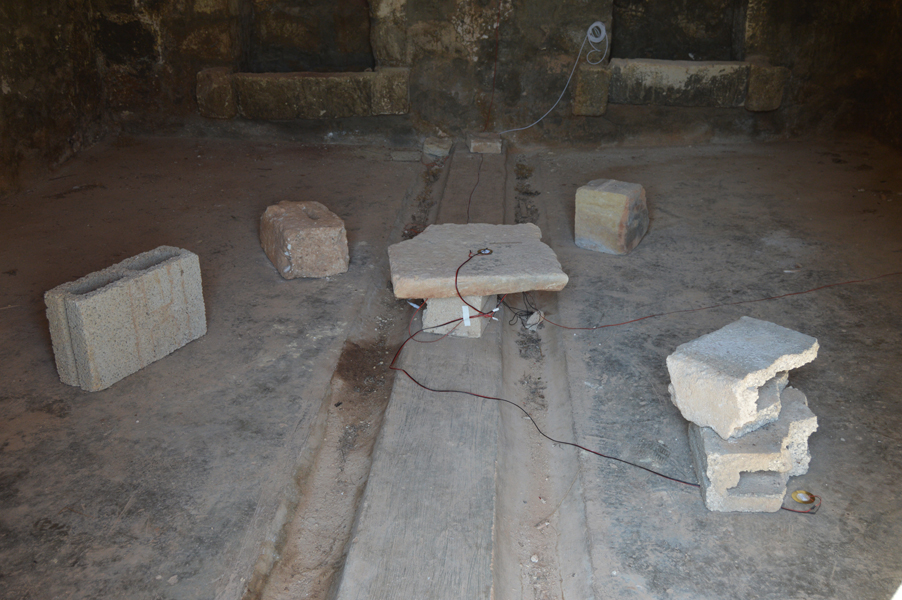
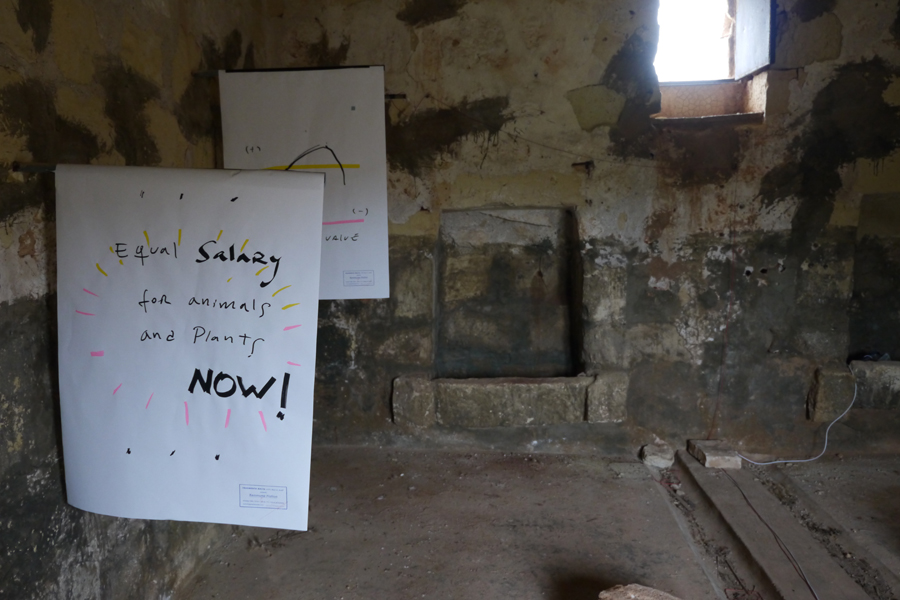
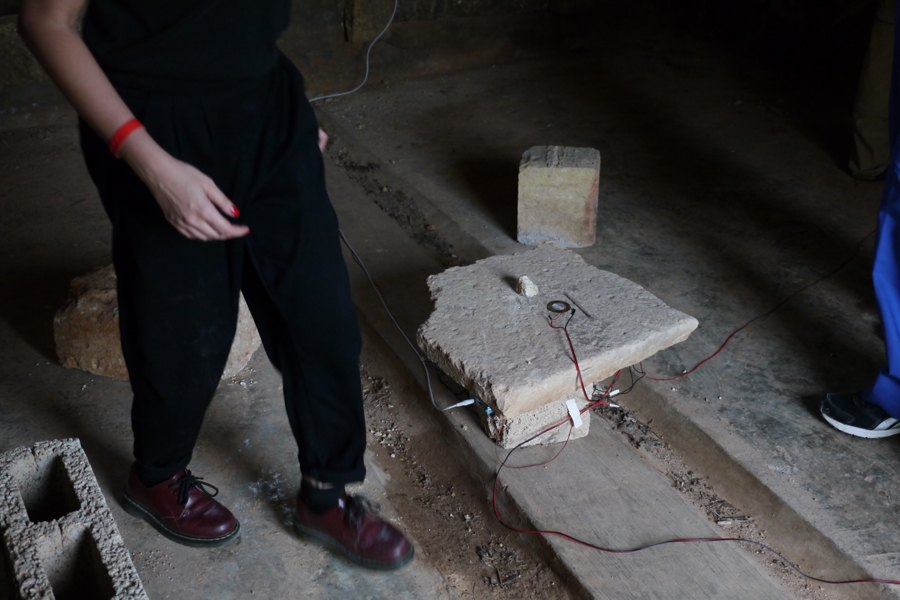
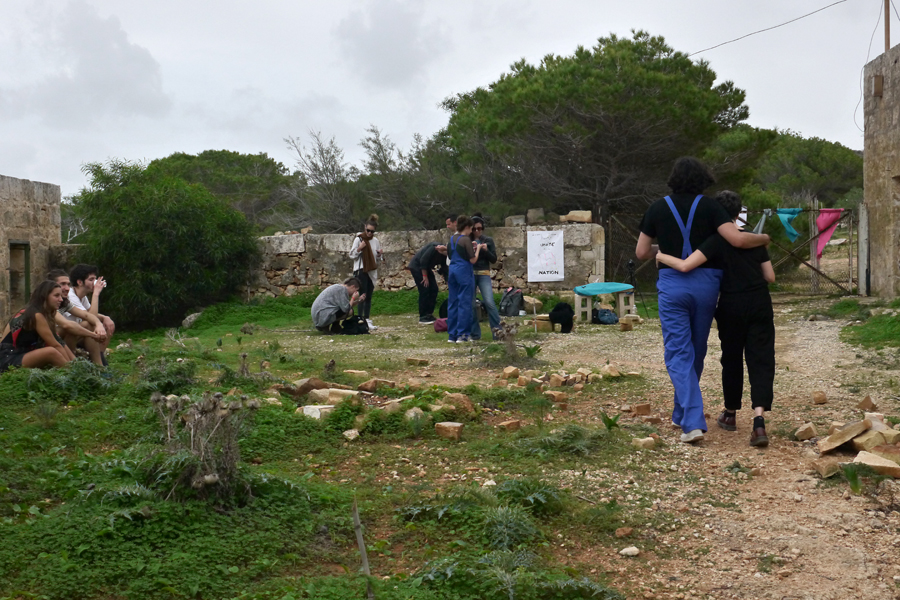
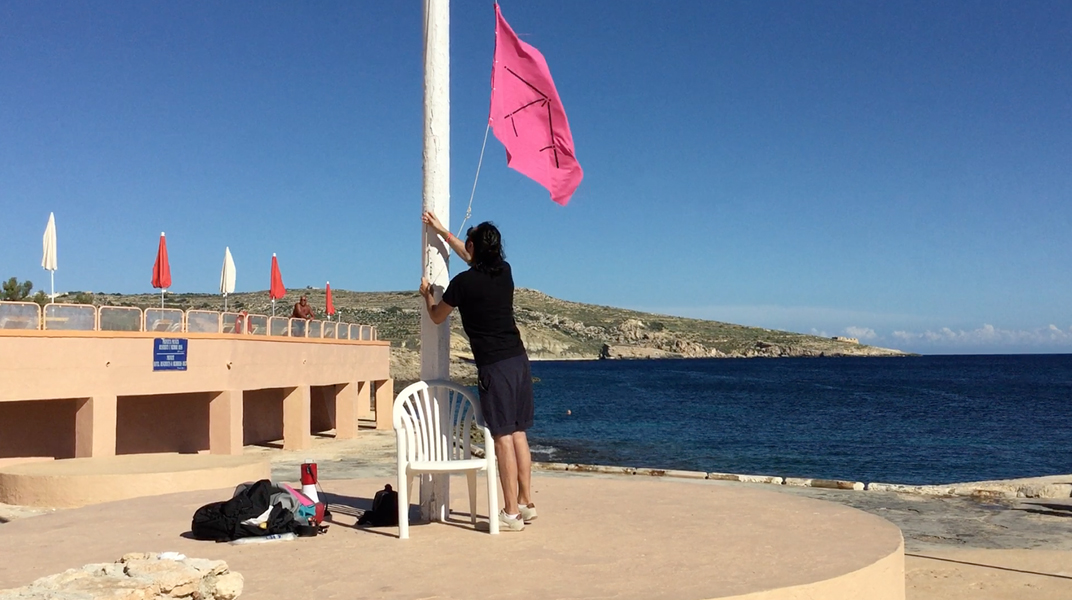
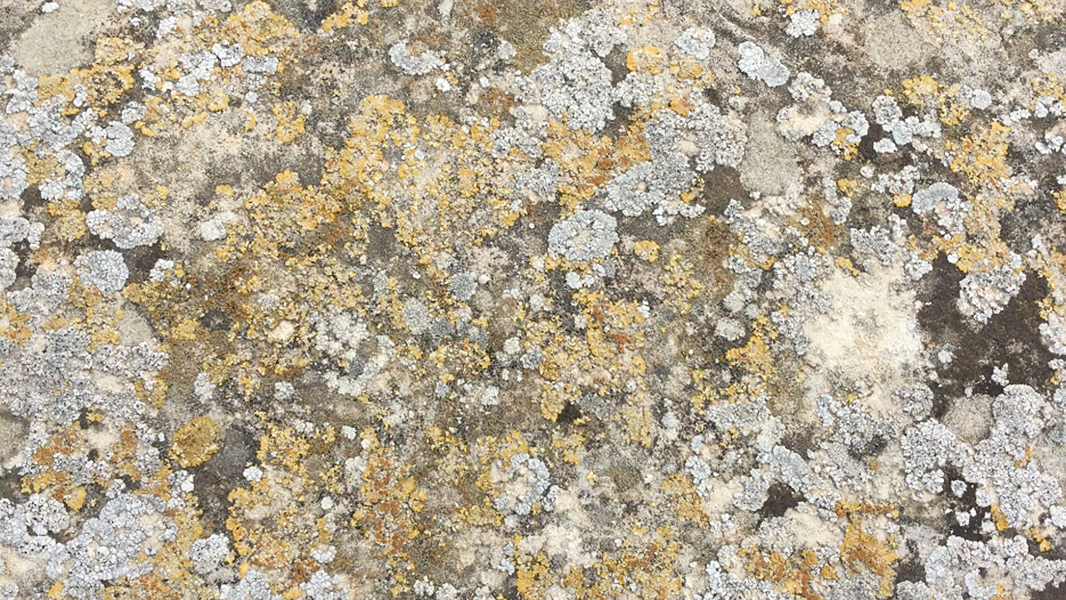
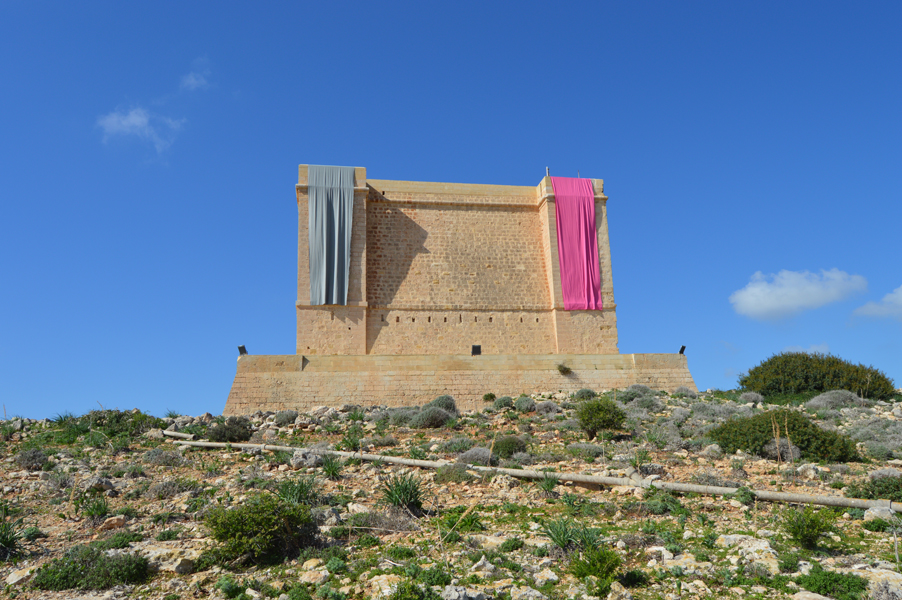
In 2018, I was invited by FRAGMENTA Malta to present this thought-experiment. We took over the island of Comino to explore different aspects of the project. At different locations we had a lecture about lichens as an example of successful symbiosis, a lecture about Blockchain and its application for giving the network a voice, a participatory sound installation, a sound walk to sensitise our perception towards minerals and at the end an independence speech as a statement of this new-born nation.

Abandoned bakery –sound installation–
Abandoned bakery –sound walk–

The foundation on which the system structures itself is played out on the mineral level contained in the soil, which is connected with different species of plants through an underground network of mycorrhizal fungi. This system generates nutrients for insects and animals, including humans. In this way and considering the amount of plants, which are being eaten by those, mycorrhizal fungi get an overview of the animal population (also by communicating with other fungi growing on animal corpses and feces).

Flag hoisting at Comino Hotel
Lichen
Martin Galea de Giovanni lecture about lichen’s network

Thus, the mycorrhizal network administrates life on the planet by exchanging nutrients and information through carbon dioxide. With the help of lichen, which has also a fugi component, Kemuna Nation can build biomonitors for air pollution. Many lichen species have large geographical ranges, allowing study of pollution gradients over long distances. This information torrent can be measured by sensors on the ground and interpreted by a central computer, which, through an algorithm, determines the value of a cryptocurrency.

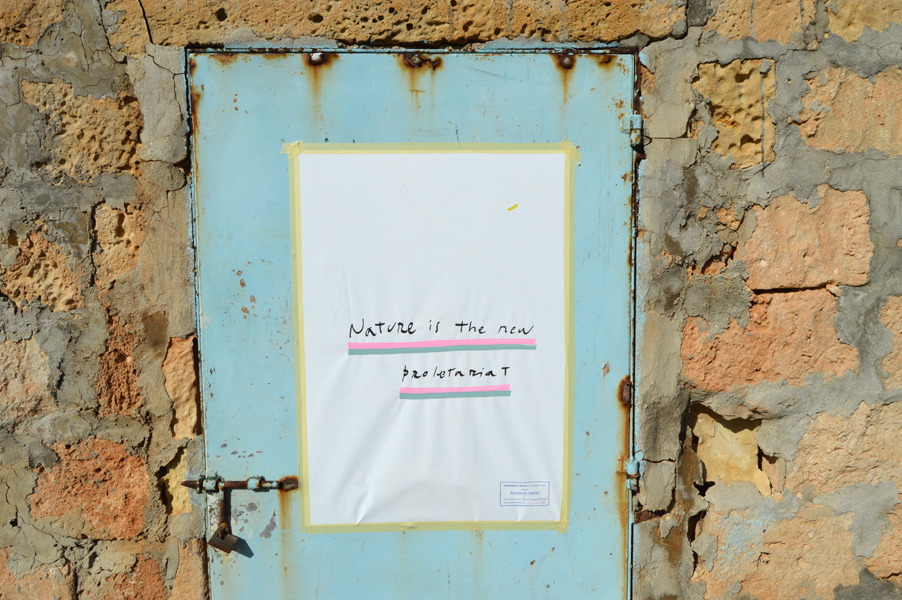
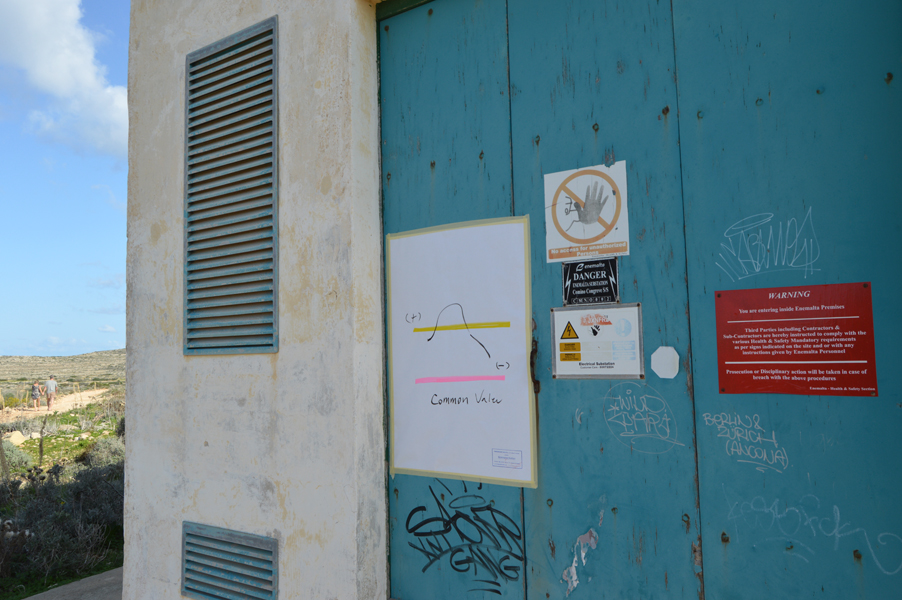
Posters –view–
Posters –view–

This new currency is called Kemmuna Coin, and will be used by humans to pay transactions with the earth. All raw material taken by humans from Kemmuna Nation need to be retributory paid with Kemmuna Coins. Violations of law will also be charged in Kemmuna Coins. In this way pollution and explotation of nature can be a factor that altered the value of that monetary exchage between mankind and nature. Constituting so a self-regulated system, that also regulates the human factor of the system.

Terence Cassar lecture about Blockchain – Kemmuna Coin –

“In the age of the Anthropocene, the end is near. The ideal of a shared world no longer exists, political philosophy has lost its language, globalization is experiencing a negative reversal. Now, the earth starts fighting back. October 28th will be the date: nature declares its own independency. Plants, animals and minerals will unite to build the most powerful nation in the world, leaving behind times of plunder and exploitation through men. This will be the day that the world order will take a new shape. Join us to be witness of the birth of Kemmuna Nation.”

Kemmuna Nation –indepndence speech–
Kemmuna Nation

Watch the documentary about this project here:

Artist talk at Haunt Berlin

Empirien

EMPIRIEN is a series of interventions in public space (1998-2006) that work with the transposition of signs as an idea of reorganizing elements of our urban surroundings. These interventions are reduced to almost imperceptible events that through a redefinition, or reconstruction, of everyday space try to make visible different social mechanisms.

Without previous notice objects will be shifted and replaced in public and semi-public spaces. The users of those places take the initiative and reestablish the ‘normal’ everyday order of things and thereby go about dismantling the interventions.

Dialogue – Sabeth Buchmann & Mario Asef (text)

X
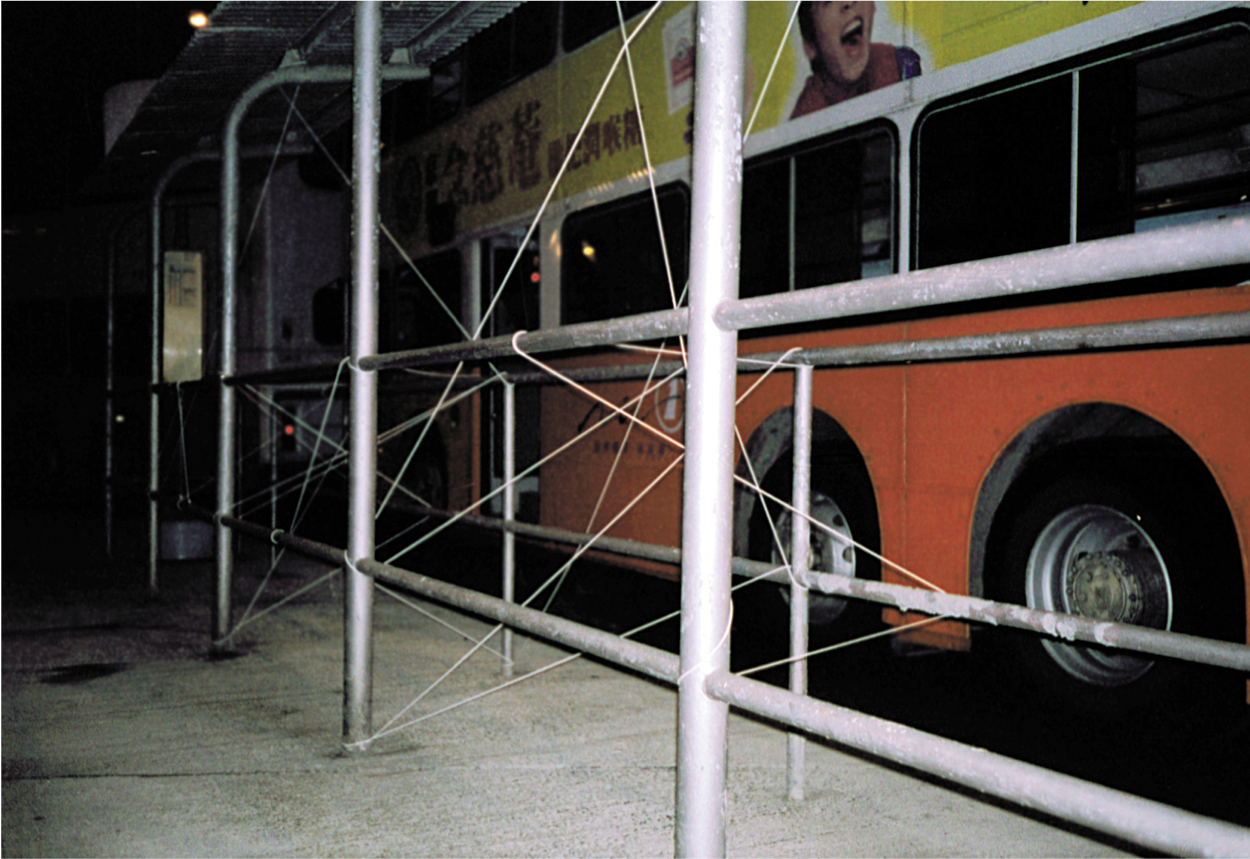
Ferry Bus Station, Hong Kong Central / Materials: twenty-five meters of thread /

In the Lorentz transformation, if the X´-axis opposite the X-axis is rotated around the zero point “0,” all points of the X´-axis (except 0‘) vanish from the observer’s experiential realm in reference system S into the fourth dimension. This seems to contradict all normative experience.

One must imagine, however, that one X‘ -axis passes through each point of the X-axis. This means: we must imagine a plane in Minkowski space that is densely filled with X‘ -axes. Each of these comes from another time and is present simultaneously—even when an observer in S discerns just one point of each axis, namely the one point located on his own X-axis.

Brownie Ranch
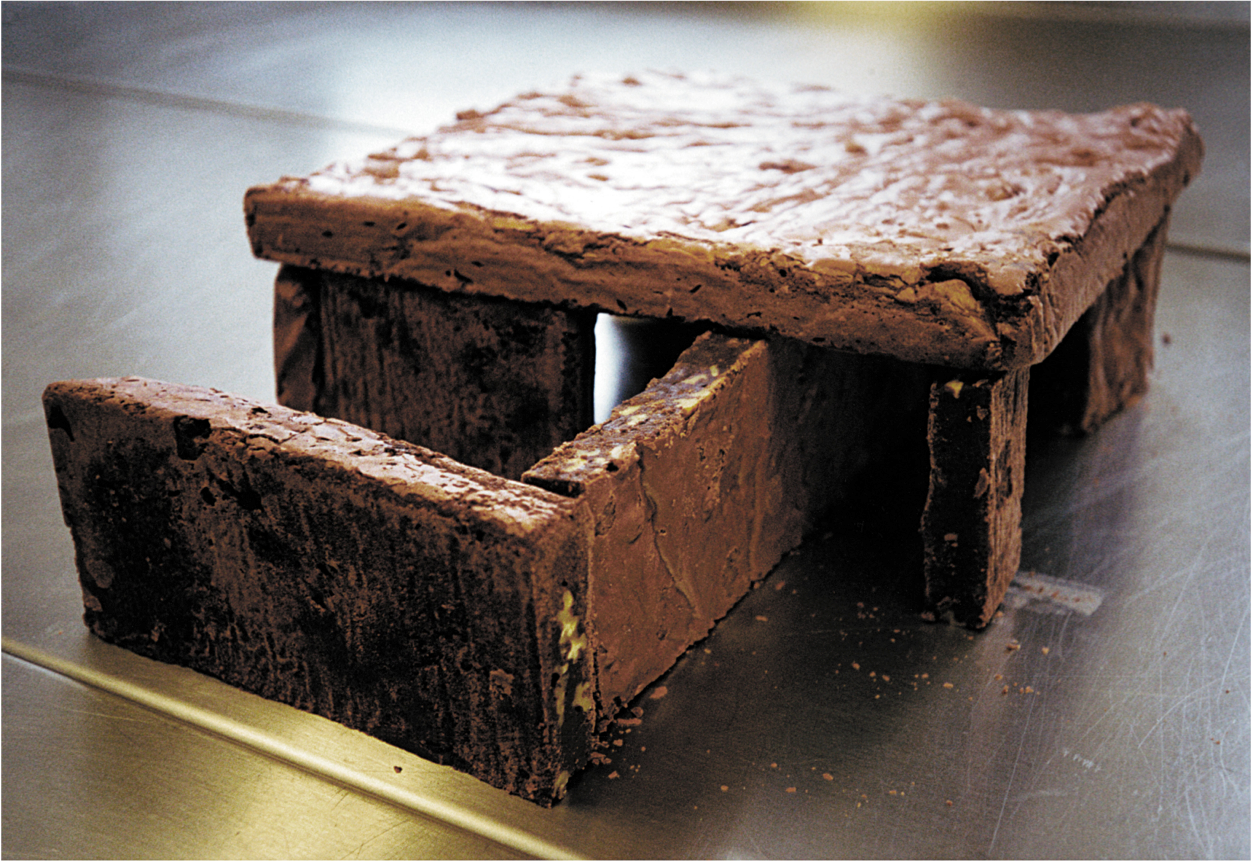
Balzac Coffee, Berlin / Materials: 10800 cm3 of brownies /

After arriving in Berlin in 2000, I began working at a bakery where I specialized in making brownies. At that time, I developed a system of cutting brownie sections in the baking pan that represented the proportions of a primitive hut in 1:50 scale.

I assembled the prototype only once in the bakery, later offering the pieces for sale.

Europe Towers
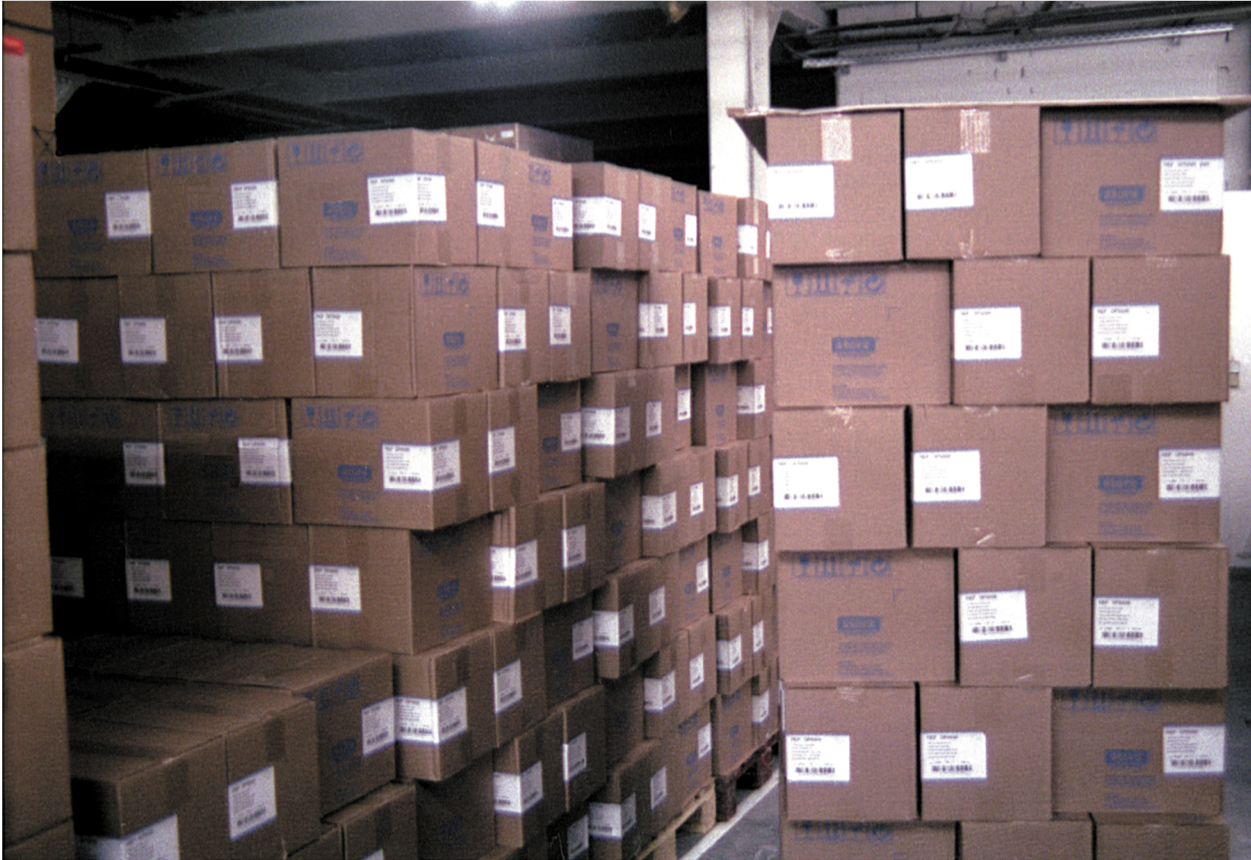
Bausch & Lomb storage, Walldorf / Materials: six pallets of ninety-one boxes each; Lot N* 800523/547 /

Over the course of two workdays, I restacked 546 boxes of optical medical products from DIN pallets onto Euro pallets. The boxes were stacked according to a system similar to the distribution of housing units in high-rise apartment buildings, which allowed the same quantity of boxes to be stacked on the smaller Euro pallets, while making them more stable at the same time.

Two days later the Europe Towers were dispatched to Holland together with the rest of the stock.

Jobcenter
Arbeitsamt Südwest, Berlin / Materials: one piece of furniture /

In a job-center in Berlin, a temporary ramp had been installed to transport files between the first floor and the basement. While waiting for a work permit, I moved part of the ramp to a corridor in the basement.

Sleeping Policeman and a Hole
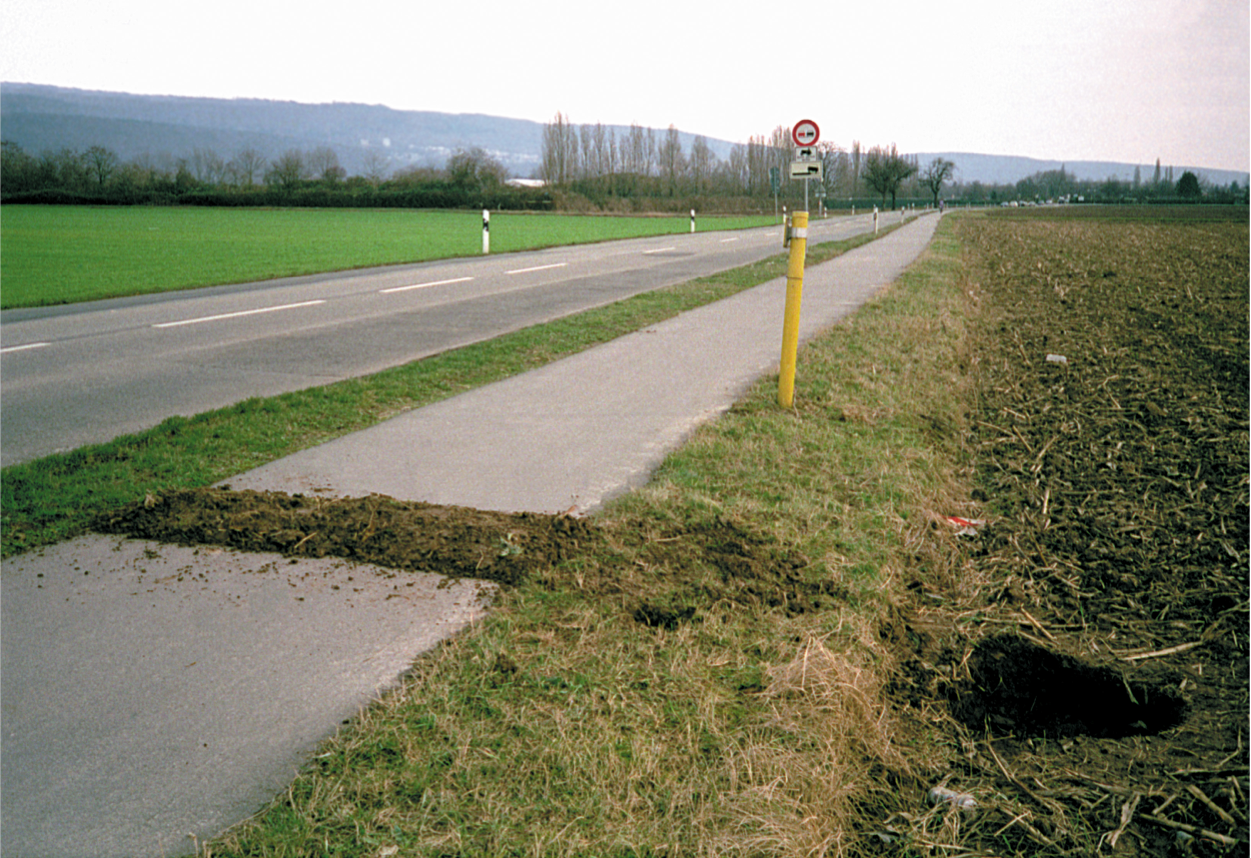
US-military base, Heidelberg-Pfaffengrund / Materials: approx. 0.98 m3 earth /

Much has been written on the history of metaphors. Little is known about their materialization. There are objects in this world for which one prefers to use metaphors, since their true meaning extends beyond the functions or physical outline that they describe.

I dug a hole on the property of the US military airport in Heidelberg (Germany). The earth was placed on a bike path on German territory and served as a bump for reducing bicycle speed.

Fragile – handle with care / appropriation /
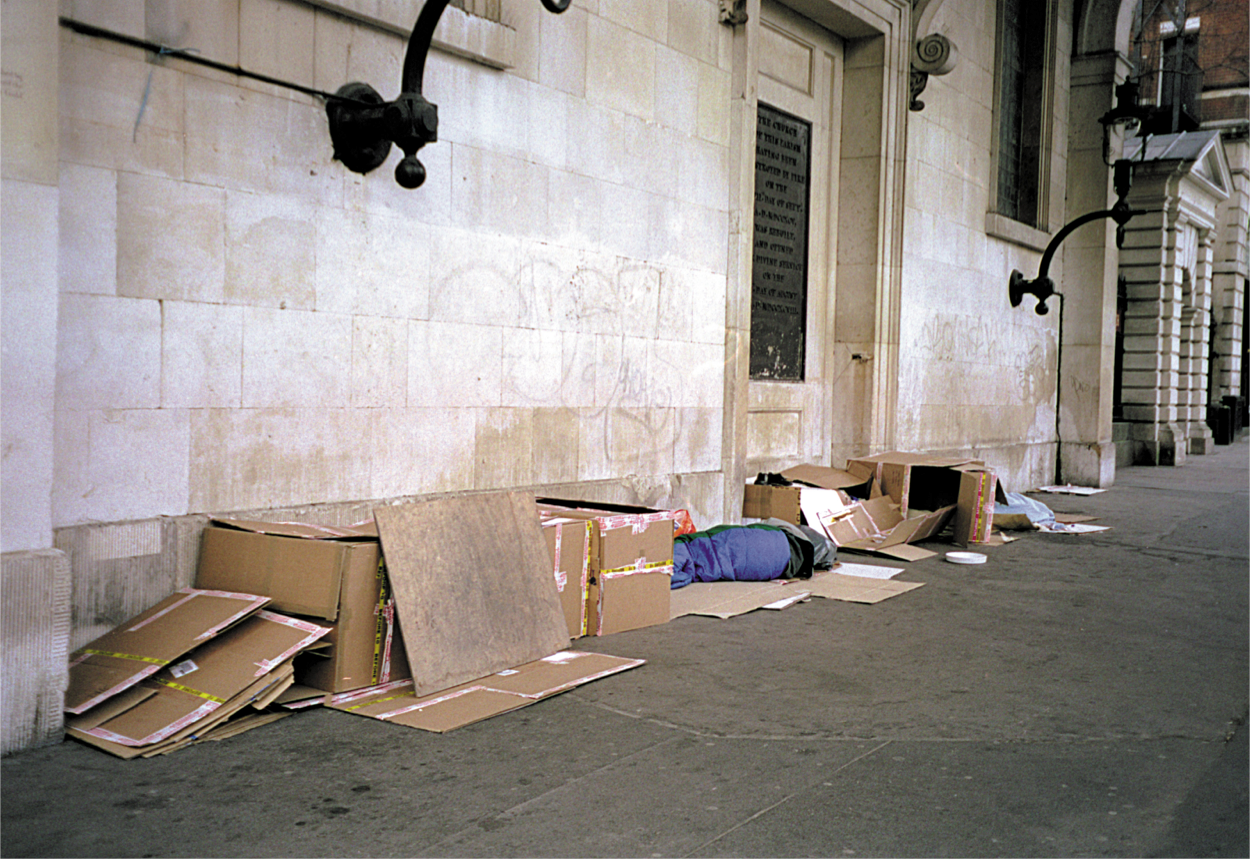
Covent Garden, London / Materials: nine cardboard boxes /

On the evening of February 21, 2004, nine cardboard boxes intended as improvised accommodations were set up in front of the Covent Garden Theater Museum in London. The morning after, the camera recorded how the homeless had appropriated the intervention.

A street artist performed a comedy in front of it.

Mudança*
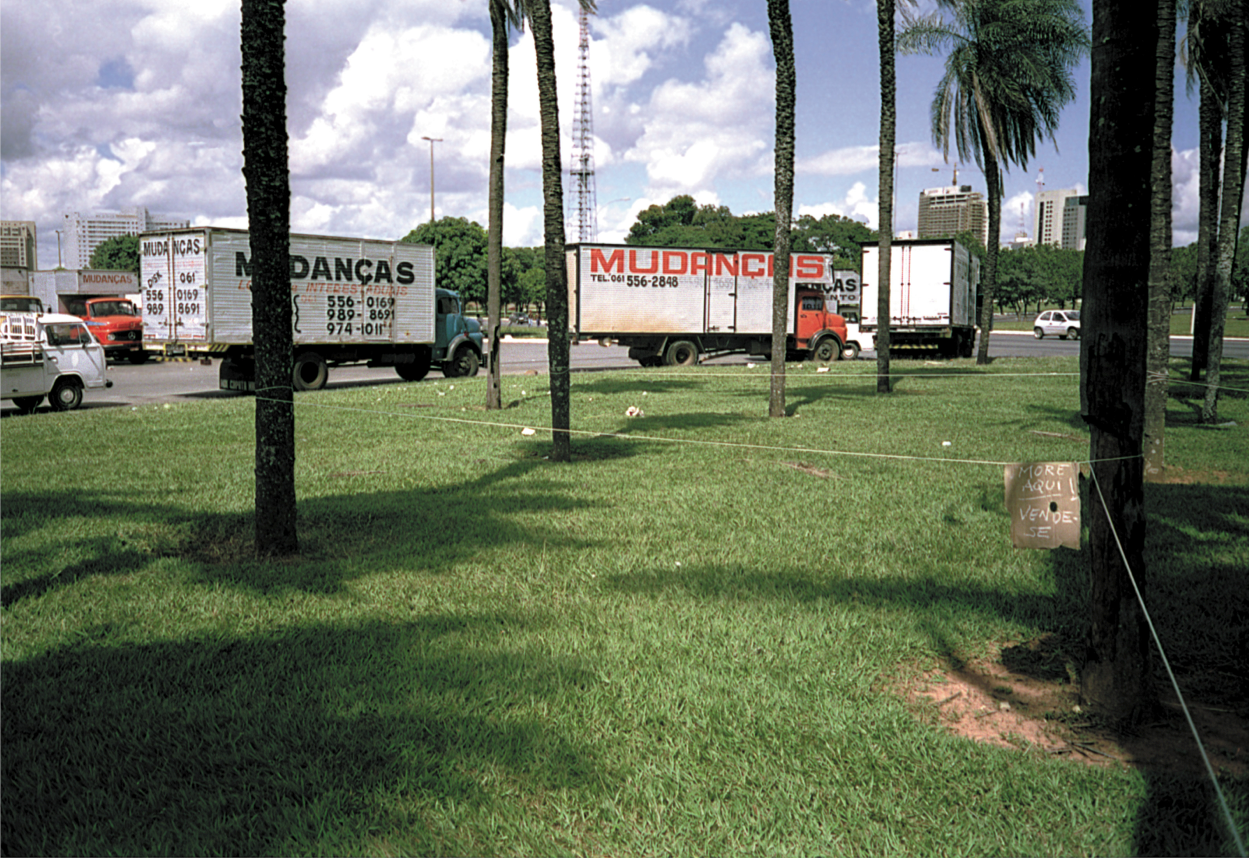
Eixo Monumental Via N1 Oeste, Brasilia, Brazil / Materials: forty-eight meters of rope + one sign

* to move, relocation; change
(Luis Inacio “Lula” da Silva in his first official speech as president of Brazil on January 1, 2003.)

Farmers belonging to the Movimento sem Terra (Movement of Landless People) of Brazil took over state land on April 22 in the satellite city of São Sebastião, near the capital city of Brasilia. By the time I arrived, people were already demarcating property lines and clearing the lots.

Take your Time
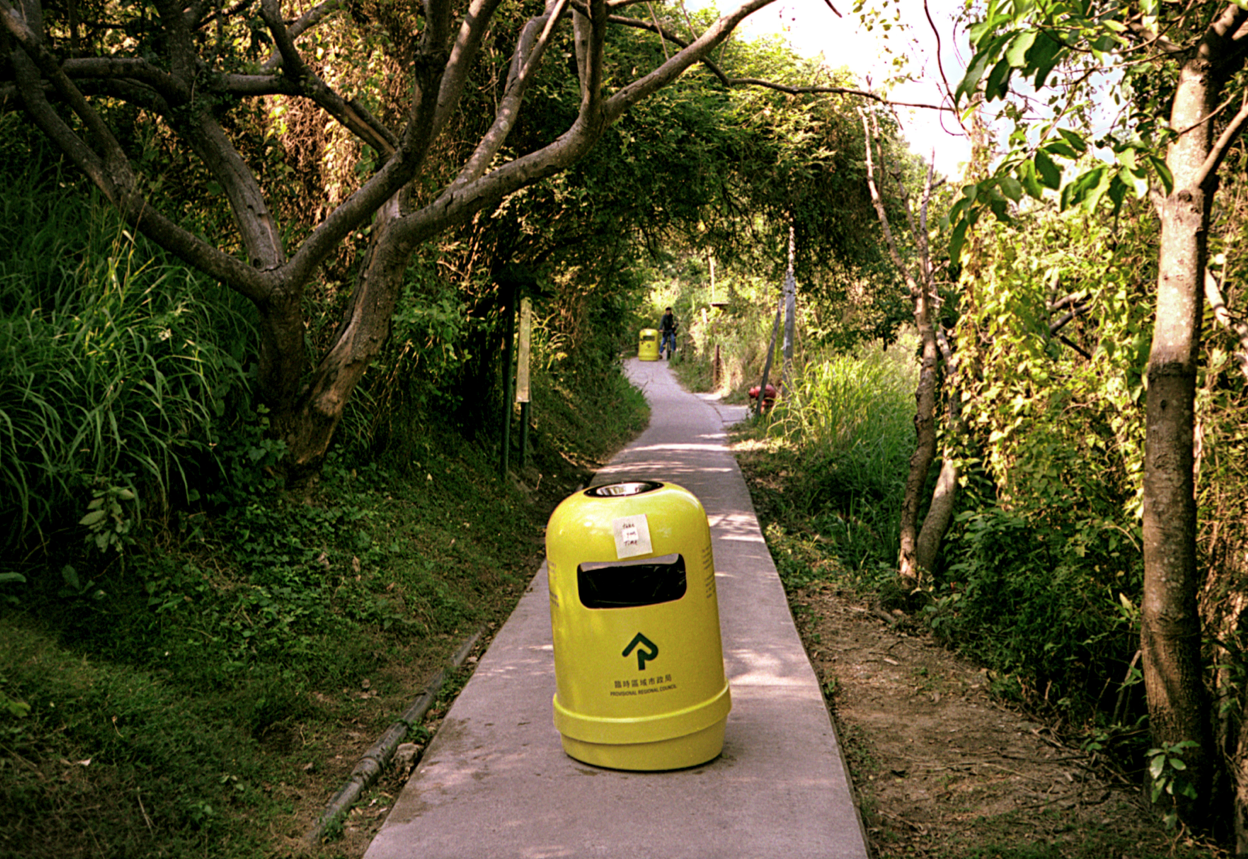
Long Tsai Tsuen, Hung Shing Yeng, Lamma Island, Hong Kong / Materials: six dustbins

Lü Dong Bin, one of eight immortal Taoists, is believed to have lived during the Tang Dynasty (618-907). One time while traveling, as he waited for his porridge in an inn, he fell asleep and saw his future life before him. When Lü Dong Bin awoke, eighteen years had past and he decided to live as a hermit.

Fox fur / donation /
Museum of Natural History, Berlin / Materials: one fox fur

On March 11, 2000, I bought a fox fur. I kept it and took care of it in my apartment.
On July 1, 2001, I donated the fur to the Museum of Natural History, Berlin.
The museum administration was not interested in keeping the specimen.

Hröns
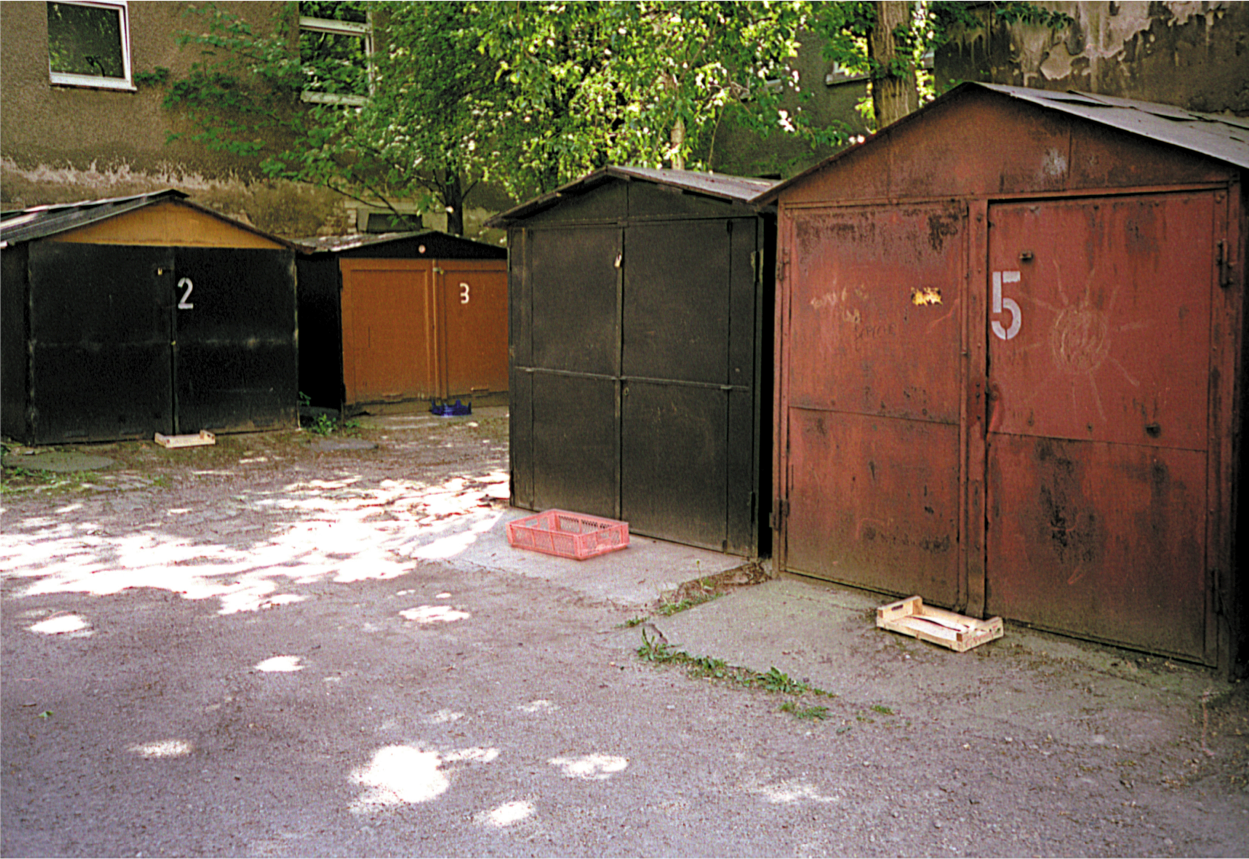
Tieckstrasse 5, Berlin / Materials: three plastic chests + three wooden chests /

According to Jorge Luis Borges (in his story Tlön, Uqbar, Orbis Tertius), certain objects exist in the utopian land of Tlön that are merely projections of human will. For example, if somebody has lost a jewel box and several people go searching for it, it is possible that each person will find the box, but in different places. This implies a multiplication of the object. Such multiplied objects are called hrönirs and are characterized by a peculiar, barely noticeable deformation that distinguishes them from the original. If a hrönir is lost, and its duplicate then found, one will notice an even stronger transformation due to the function of human memory. Such objects are called hröns.

One could hypothesize that the entire variety of objects that make up our cosmos come from ONE original object that has been modified and multiplied by the projection of human will throughout the centuries.

Neolithic
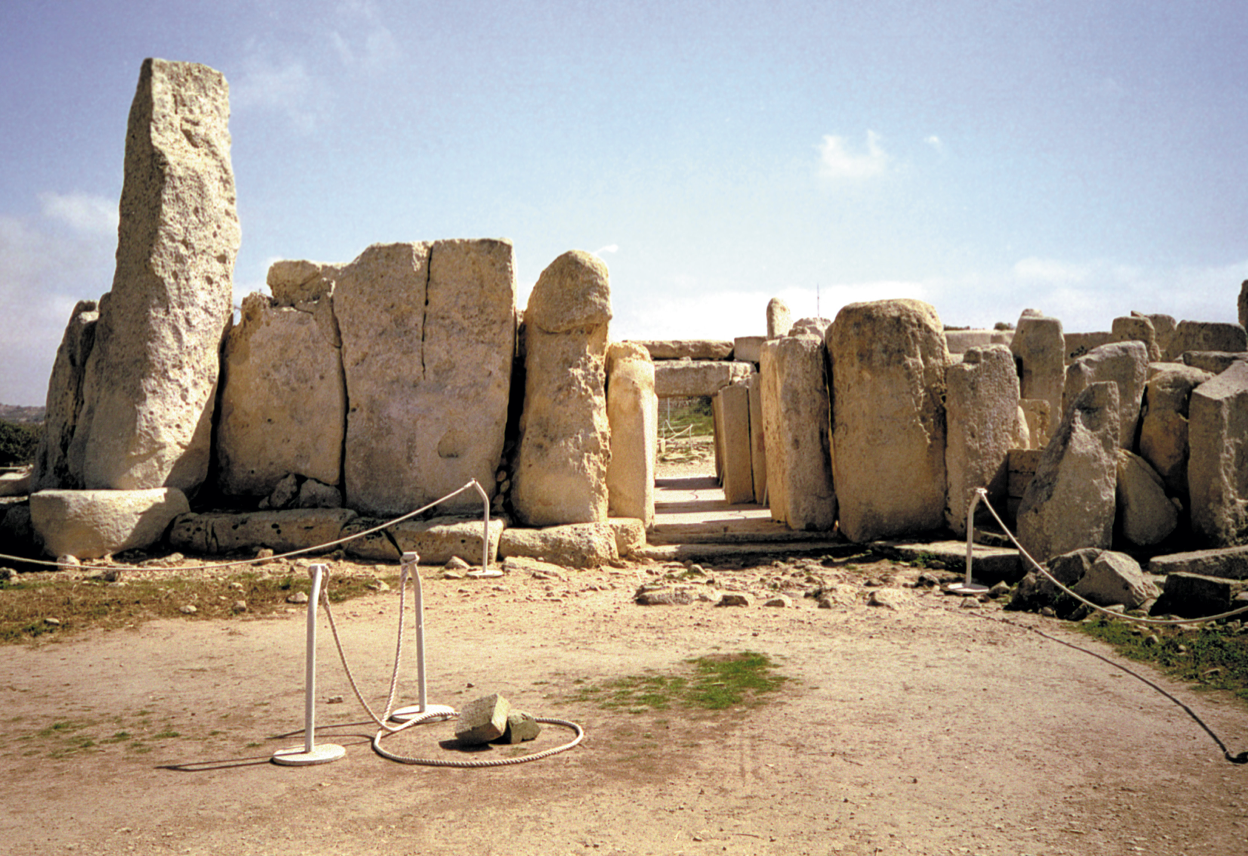
Hagar Qim Temple, Malta / Materials: one rope + two racks /

On the island of Malta, a rope and two racks were placed in front of the archeological site of Hagar Qim. These framed two stones coincidentally situated in front of the temple entrance.

Mekka
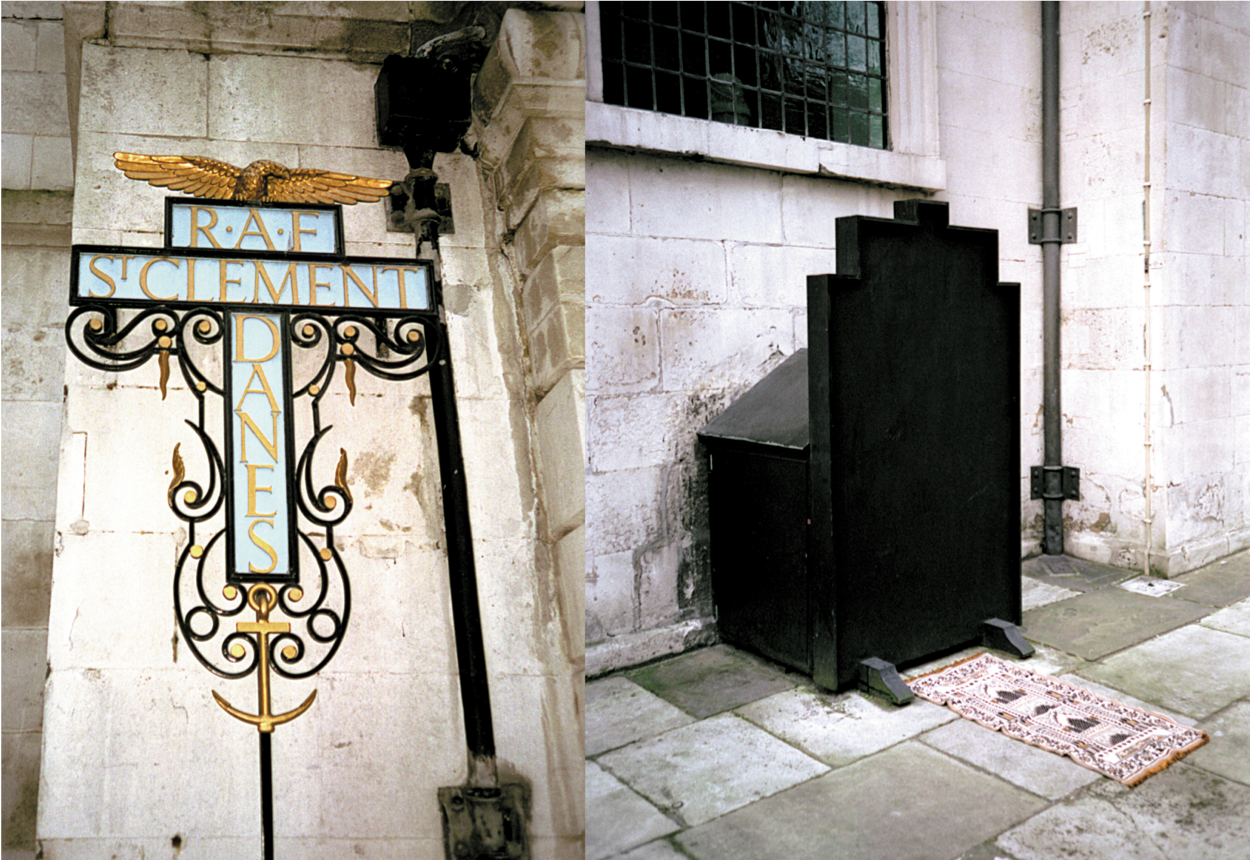
St. Clement Danes, Central Church of the Royal Air Force, London / Materials: one carpet /

In Whitechapel, London, I bought an oriental carpet in an Arabian bazaar.
Lost in the labyrinth of the city, I embarked on a pilgrimage for hours in the opposite direction of Mecca, finally placing the carpet at the St. Clement Danes, Central Church of the Royal Air Force.

Bastón / donation /
Hamburger Bahnhof, Berlin / Materials: one walking stick /

On January 21, 1999, I bought a walking stick and carried it around with me for some time.
Years later, I donated the walking stick to the Hamburger Bahnhof – Museum of Contemporary Art, Berlin.
The museum administration was not interested in keeping the exhibit.

Popular
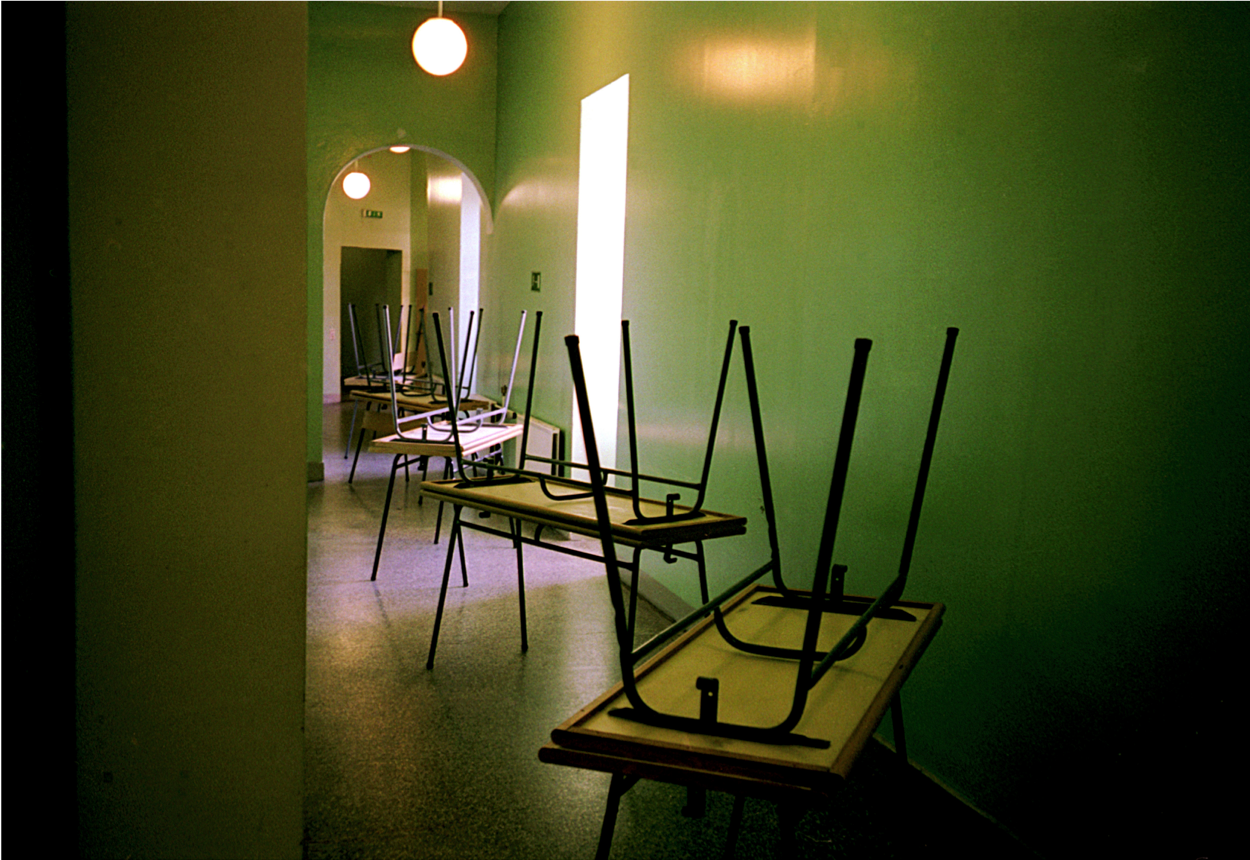
Volkshochschule Mitte, Berlin / Materials: ten tables /

Since Pyrrho claimed there is no truth to the reality of sensorial things, the legend circulated that he would not avoid things standing in his way or horses or wagons approaching him, or he would even walk into walls in the conviction there is nothing consistent about sensorial perceptions. Only his friends, it is said, prevented and saved him from all sorts of foolhardy collisions.

See also books >