Voices: Ana Khatchikian, Maya Land Photographs: Marlene Burz
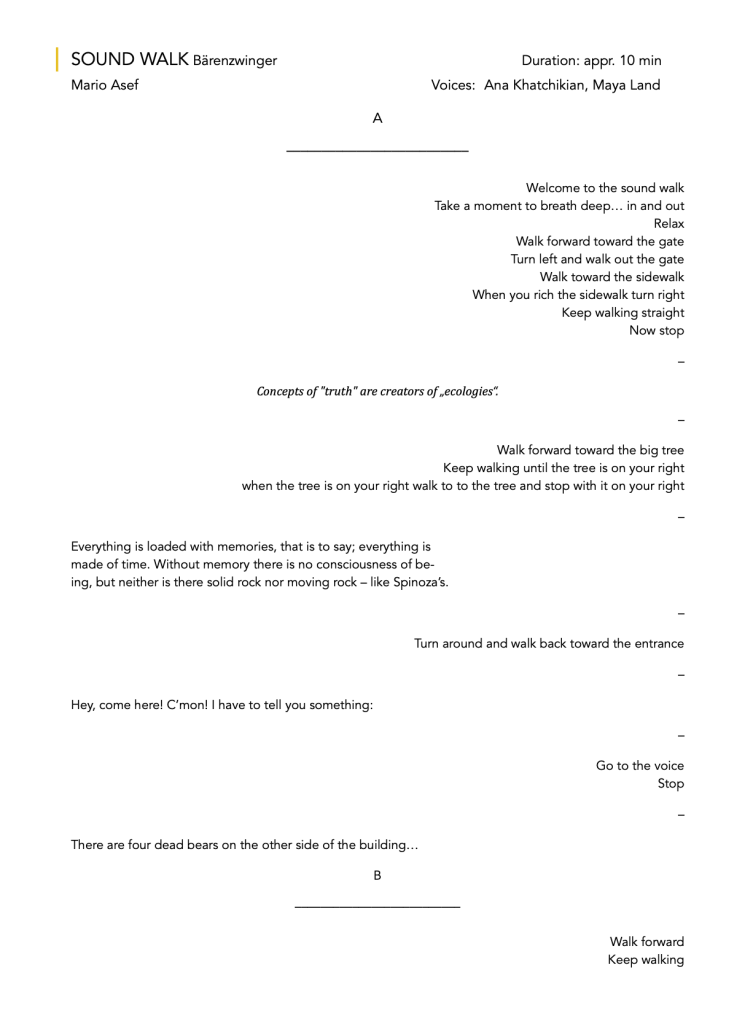
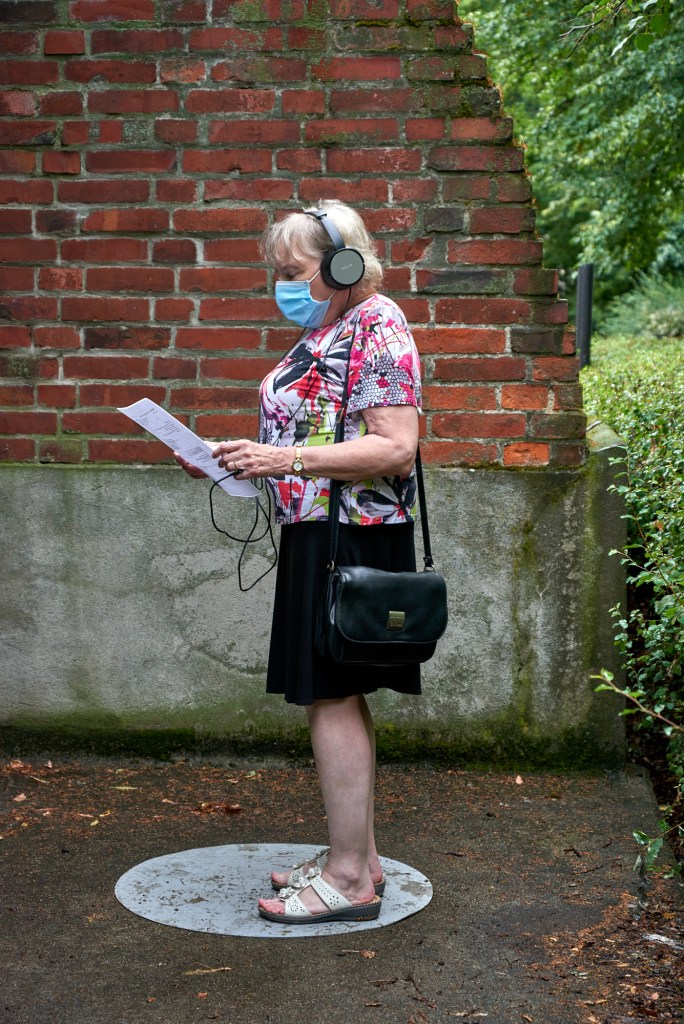
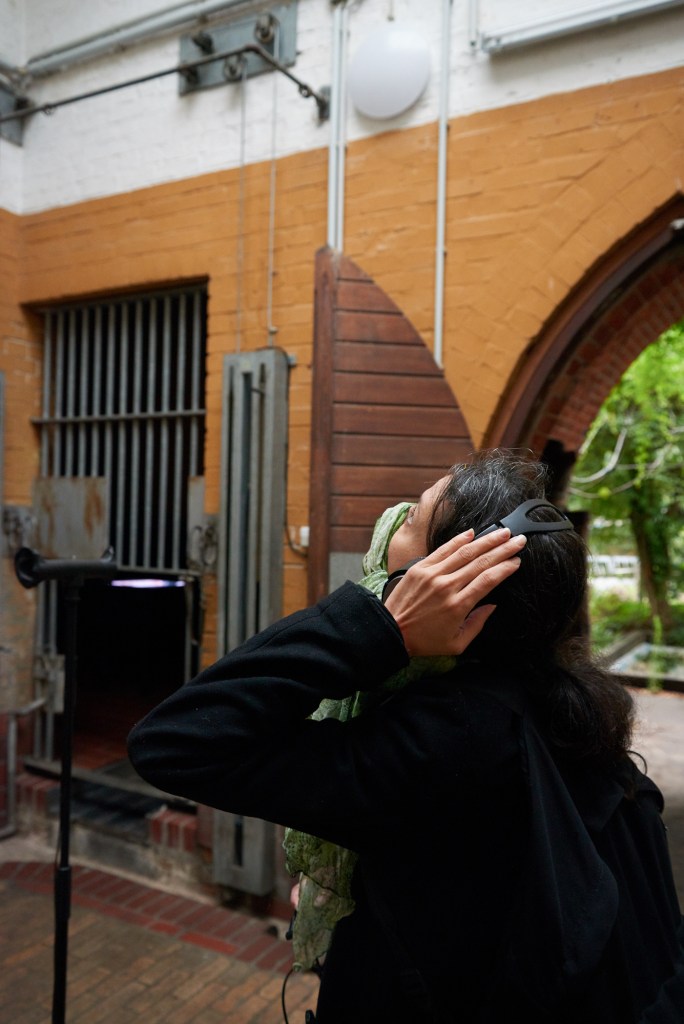
The Sound Walk at Bärenzwinger is an immersive sound experience, that presents selected reflections on the relationship between nature and culture within the historical frame of the immediate surroundings of the building.
The Sound Walk is an individual guided tour through the Bärenzwinger, which allows visitors to experience the acoustic components of the site through a 360° sound experience. The intention is to make the public aware of our environment from a vitalistic-materialistic point of view. The public wanders around the surroundings, perceiving the acoustic presence of an absent environment (recorded) generating a perceptive duality between the materialistic present and an immaterial “projected” reality.
A voice accompanies and guides visitors through the house and its surroundings. It shows them the way while a second voice whispers in the visitor’s ear from time to time. The place is activated acoustically with light tapping, knocking, etc. to make it sound. All these voices and sounds seem very real in the room, but are invisible to visitors. This creates an irritating contradiction between visual and auditory conditions.
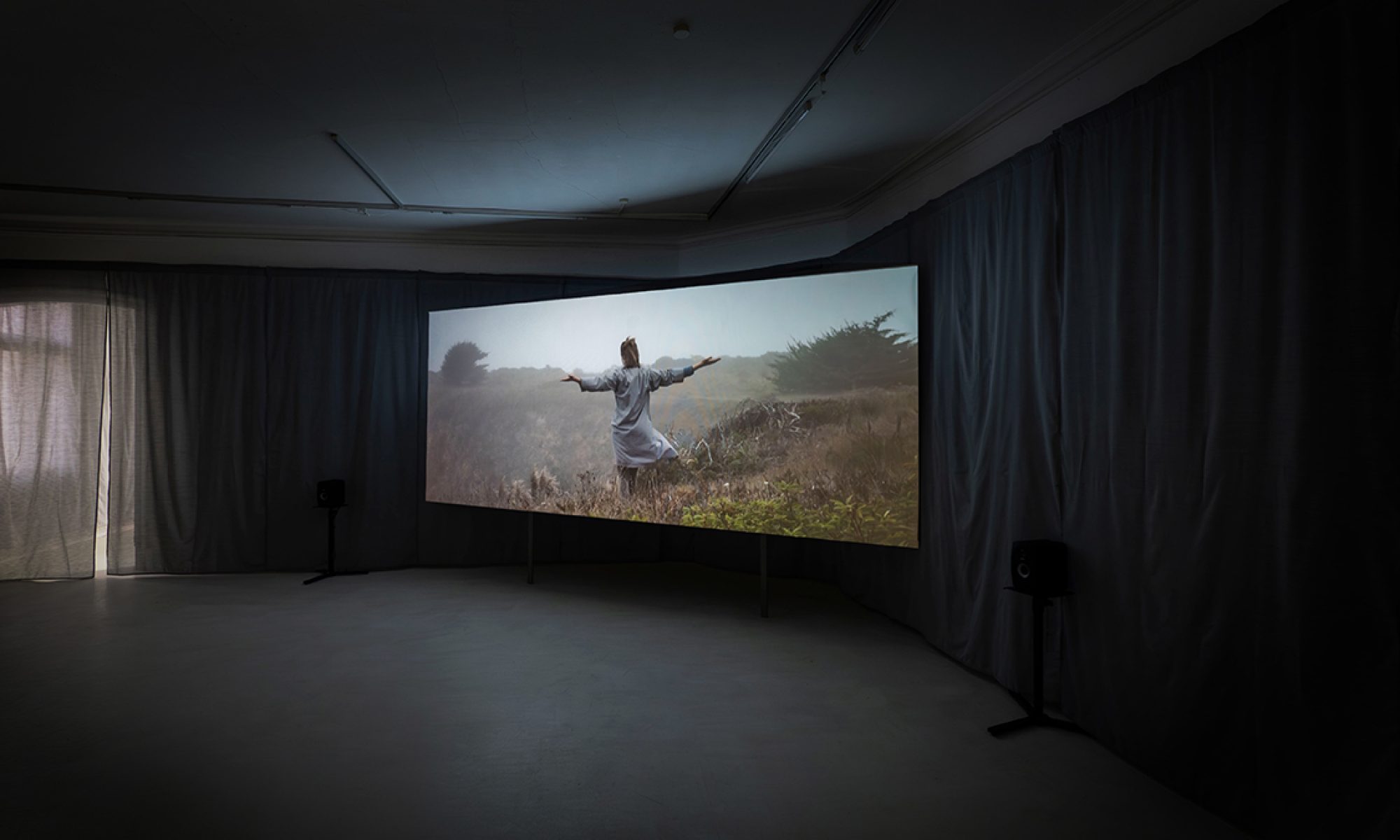
El lenguaje de las Cosas (2020) is an installation performance I produced for FESE (Festival Estación Sonora Experimental, Colombia). This project is inspired by the Wayuu culture and its language-environment relationship. The Wayuu community is located on the La Guajira peninsula, situated between Colombia and Venezuela. According to a Wayuu founding myth, the earth, or Mma in the native language, was fertilized by the father of rain, or Juyaa, thus giving rise to all living things. Rain is a metaphor for the power of language, called Pütchikalü (meaning: word or meaning). Both Pütchikalü (the word) and Juyaa (the rain) are dynamic and bring life. The word arises from the union between the earth and the rain, between the permanent and the transitory, between the arid and the fertile. For the Wayuu, the world, so to speak, is discovered and also fertilized through language.
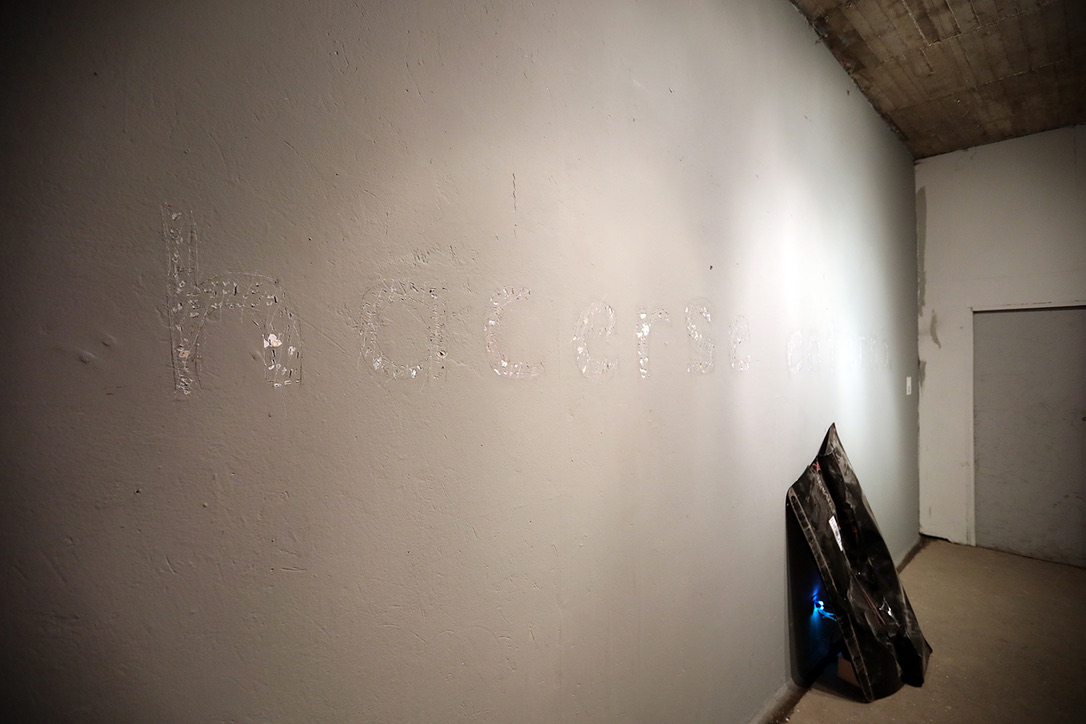
For this project, the phrase “hacerse entorno” (to make yourself environment) was written on a wall of the Espacio Odeón (Bogotá, COL) by scraping its surface with a junk object from the streets of Bogotá. Both the wall and the junk object were connected to contact microphones that picked up the sounds produced by the friction. These sounds were recorded in separate channels. Once the action was finished, the junk object was left leaning against the wall and the recorded sounds were played back into the room. The sounds generated by the scraping/writing on the walls resonated in the exhibition space as a remnant of the vibrations and the physical encounter of object-wall-writing. Taking the trace back to its “precariousness” and introducing it into the machine (the audio recorder) displaced the spoken word from Western phono- and logocentrism by creating, through the machine, an automated gap that is representing the means of language production and reproduction rather than the intended semantic meaning.
>Process Spanish<
Identidad y contexto
Sobre la relación entre hombre y naturaleza
Actualmente la modernidad ha establecido un modelo de relación entre hombre y naturaleza como términos opuestos. Esto es conocido por el famoso dualismo naturaleza – cultura. Se trata de un concepto mecanicista de la naturaleza del cual Descartes (el llamado padre del racionalismo) fue su ideólogo. Este concepto se ha arraigado en la forma universal de entender al mundo a lo largo de los últimos 4 siglos. El Racionalismo se basa en las matemáticas clásicas y en conceptos de mecánica para describir al mundo y los organismos que lo pueblan, ignorando procesos mucho mas complejos sin explicación entonces y aún no muy entendidos (como son los sistemas de crecimiento y reproducción: Genesis).1 Nuestro sistema económico mundial depende y abraza hoy mas que nunca esta comprensión mecanicista de la naturaleza. Debido a las crisis actuales, como el cambio climático y sus consecuencias económicas, sanitarias y ecológicas, se ve la necesidad de tomar distancia de esta visión antropocéntrica del mundo y crear una visión en lo posible „neutral”. Así surge lo que hoy denominamos post-humanismo. Filósofos como Spinoza, Marcuse están siendo discutidos y releídos. Un filósofo francés que ha estado pensando en este sentido desde los años 90 es Bruno Latour (Parlamento de las cosas). El hombre es visto aquí como parte de la naturaleza y no como su opuesto. La cultura sería entonces parte de la naturaleza y por consiguiente, todo lo que el hombre hace también.
En base a esto, y teniendo en cuenta los conceptos mas inclusivos de naturaleza y cultura, en el trabajo elaborado durante el laboratorio FESE reflexiono y busco una definición apropiada de lo que llamamos identidad en relación con entorno y de qué forma puede ser el sonido un elemento que los amalgame.
Tras haber investigado sobre la relación medioambiente – palabra – cultura que se observan en culturas como la Wayuu y cómo esta se relaciona intrínsecamente con la creación del mundo, se me ocurre indispensable abordar la palabra misma (pütchikalü, en idioma Wayuu) cómo núcleo creador de identidad y también de contexto (en el sentido que Humberto Maturana le dá al lenguaje).
Trasfondo teórico
„Ya en la década de 1960 sociólogos, pero especialmente antropólogos y geógrafos sociales han reconocido el papel del entorno en la constitución de la identidad. Sin embargo, lugares como el hogar, la zona residencial o la ciudad han sido científicamente muy descuidados en su significado psicológico para la identidad, ignorando a Georg Simmel que ya en 1903 había descrito el fenómeno en su obra sobre el comportamiento y la experiencia del habitante de la ciudad. Tuvieron que pasar casi otros 60 años antes de que se investigara mas sistemáticamente la importancia psicológica del entorno espacial y los fenómenos de su conexión con la identidad y el yo de una persona.
Lugares como símbolos del yo: En The urban villagers, Herbert Gans describió cómo en la „re-urbanización” de distritos urbanos los planificadores destruyen sin saberlo la cohesión social y, por tanto, la “identidad territorial” de los residentes de dichos distritos.
En este contexto, el estudio de Herbert Gans (1962) ya mostró cómo residentes reasentados perdieron la oportunidad de cultivar su identidad. Las consecuencias negativas de este desarraigo provocaron problemas de salud y patologías entre estos habitantes. Además, con la pérdida de “identidad territorial“ aumentaron la delincuencia juvenil y las dificultades escolares, la delincuencia y el alcoholismo y el suicidio.
Las reacciones de duelo o de estrés en forma de nostalgia y problemas de salud se documentan como consecuencias psicosociales.“ 2
En este fragmento de Urs Fuhrer se nos revelan con claridad procesos de desarraigo del entorno que se pueden observar tanto en las zonas urbanas como en zonas campestres. Desde mi punto de vista esa intervención física sobre el espacio construido prosigue a una conceptualización geométrica del espacio que surge de la base racional y mecanicista del mundo promovida por el lenguaje. Es decir, se puede descontextualizar a una población sin necesidad de moverla de sito, sino atravez del lenguaje, redefiniendo su entorno.
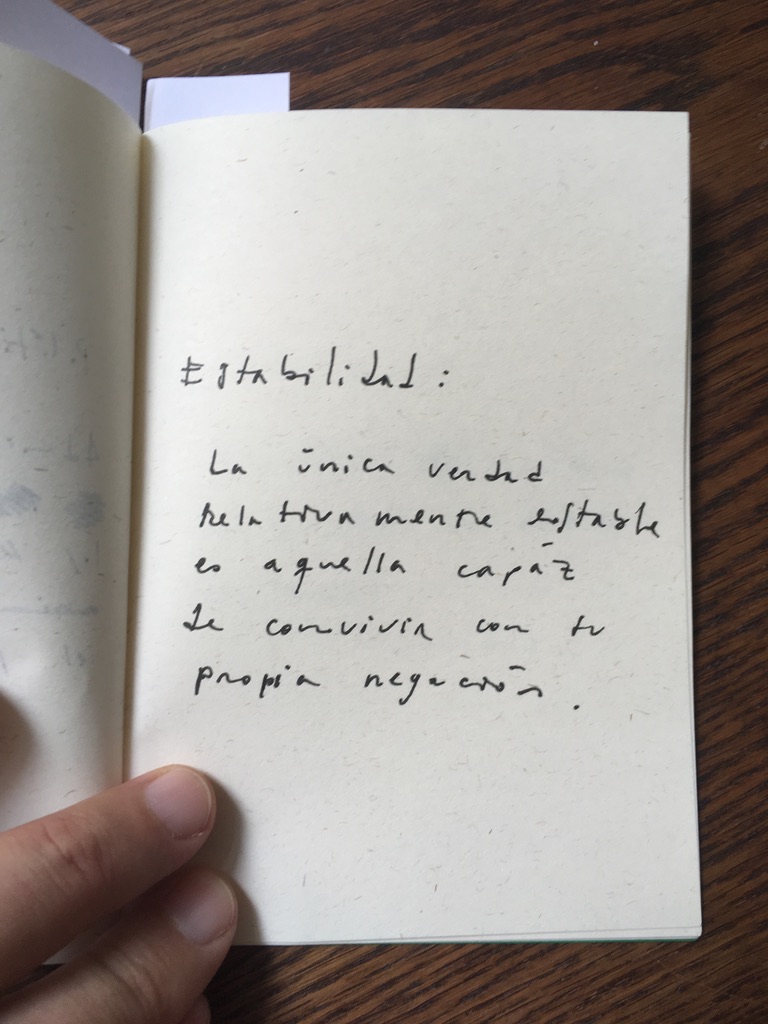
En resumen; trabajar en un lenguaje mas inclusivo de todas las formas (vivientes o las llamadas inertes) que coexisten en nuestra realidad cotidiana significa construir und entorno mas sano y una identidad mas estable.
La palabra como trazo del entorno
La escritura es el dibujo mas colmado de significado. Una palabra escrita es silenciosa pero la escritura en sí no lo es. Escribir produce sonidos secundarios a los contenidos del texto; el sonido del teclado del computador, el sonido del lápiz sobre el papel en todas sus cualidades y combinaciones, etc. El sonido de la escritura no se considera sonido del lenguaje. Muy diferente a la voz que lee lo escrito, el sonido de la escritura hace evidente a los materiales que se frotan para dibujar las letras. Ese sonido es el que me interesa en cuanto es el sonido que amalgama la superficie del espacio que rodea al texto, el instrumento/objeto que se utilizó para escribirlo y su interacción con el espacio y el significado escrito; es decir la expresión cultural.
Entonces, qué sucede si en vez de escribir en y con medios convencionales se usan como medios objetos ya cargados de significado. El espacio arquitectónico mismo puede ser empleado como soporte y algún desecho industrial podría usarse como „lapiz“. El sonido que producen estos dos elementos al frotarse expresa su naturaleza física y la posición simbólica (e histórica, si se quiere) que ocupan en una cultura.
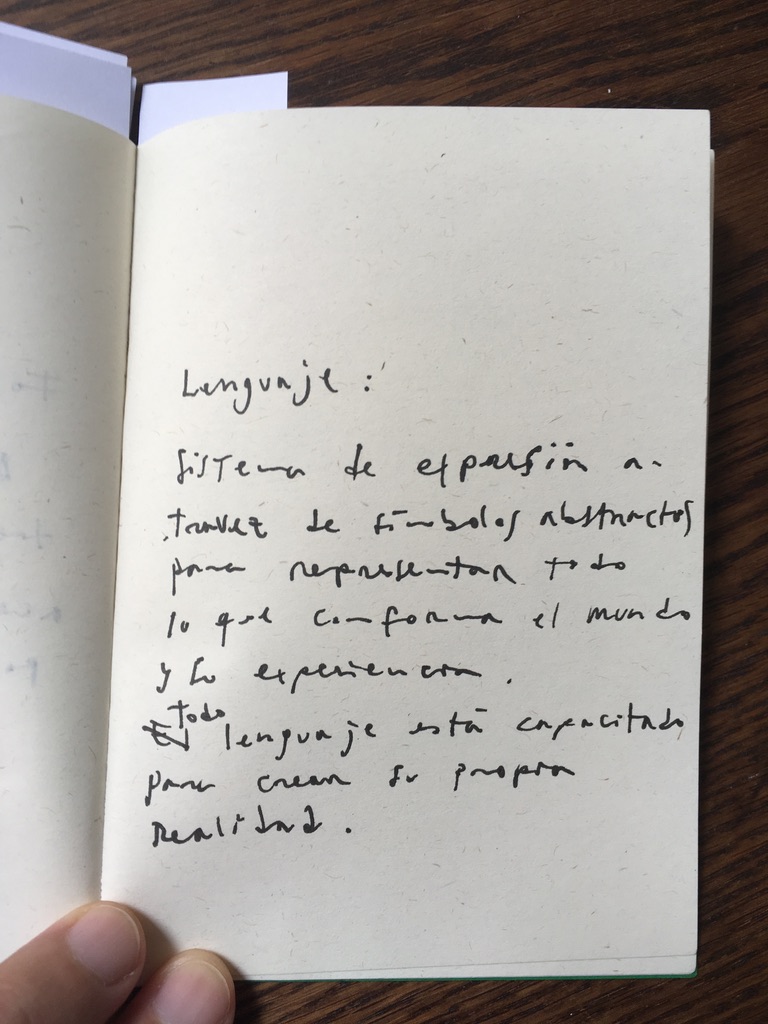
Hasta llegar a nuestros oídos el sonido primero toma un recorrido múltiple, refractándose en las superficies que hacen al espacio que lo rodea y transportando todas esas materialidades mas la materialidad de su fuente. Un sonido es siempre su entorno; lo transporta y lo amalgama. El sonido es el lenguaje de las cosas. A travez del sonido nos unimos a las cosas y estas se unen a nosotros en un espacie de dialogo ininterrumpido. Así es que tomar una identidad, pertenecer, sentirse parte, así también como la simple escucha, es hacerse entorno.
Instalación y acción performativa
Las frase „hacerse entorno“ se escribirá en una pared del espacio expositivo Odeón mediante el raspado de la superficie con un objetos chatarra de las calles de Bogotá haciendo hincapié en la relación „entorno urbano <–> lenguaje“. Los sonidos generados por el raspado/escritura en las paredes serán el elemento principal de la obra. La escritura no tiene necesariamente que ser legible. Los sonidos de fricción generados por la escritura reemplazarían a la voz.
Tanto la pared como el objeto chatarra estarán conectados a microfonía de contacto que hará posible la toma y grabación de los sonidos producidos por la fricción de ambos. La acción se documentará en video y este será parte de la documentación de la obra. Unas vez finalizada la acción, el objeto chatarra se dejará apoyado contra la pared y los sonidos grabados se reproducirán en la sala en forma de loop.
1. Vease: The Machine conception of the organism in development and evolution: A critical analysis, Daniel J. Nicholson, 2. Selbst, Identität und Raumbezug (auf der Grundlage eines Aufsatzes von Urs Fuhrer für die Enzyklopädie Um-weltpsychologie, 2008)
El lenguaje de las cosas
Instalación sonora y acción performativaUn trozo de chatarra, 2 micrófonos de contacto, 1 grabador y reproductor digital, 1 mezcladora, 2 altoparlantes activos – Mario Asef 2020
Acción: Sergio Jimenez , cámara: Jimmy MoralesEl Lenguaje de las Cosas, installation viewEl Lenguaje de las Cosas, installation viewEl Lenguaje de las Cosas, DetailEl Lenguaje de las Cosas, installation view
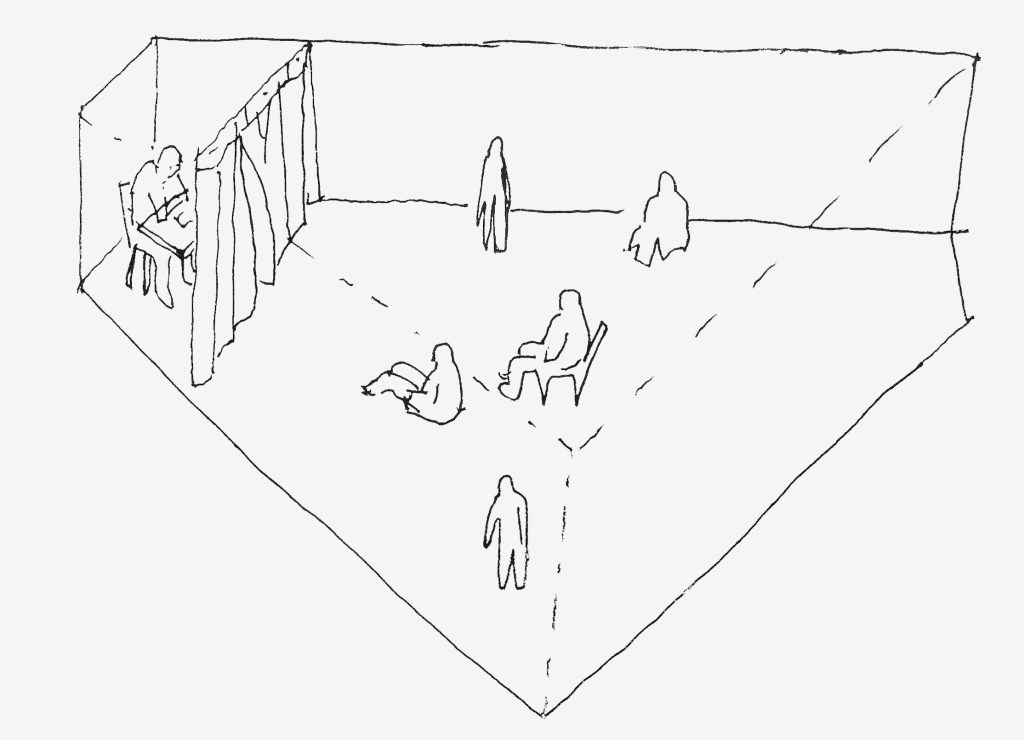
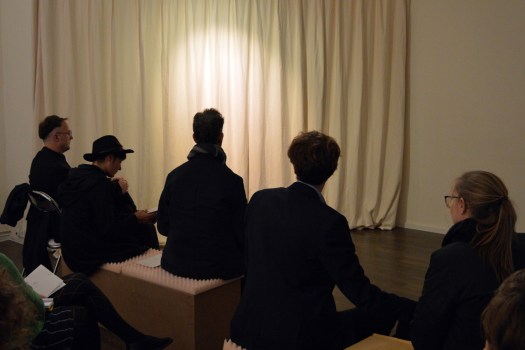
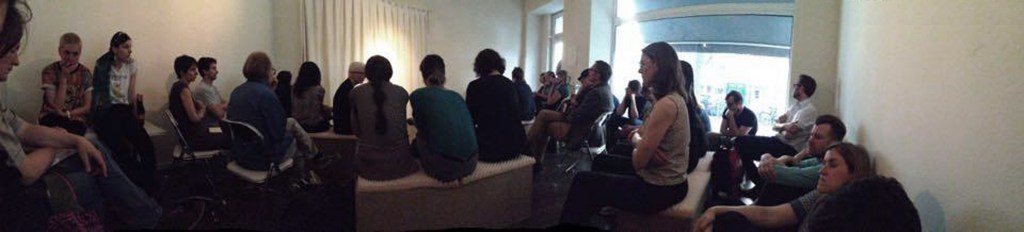
The Acousmatic Lectures are a laboratory for investigating phenomena that are directly related to voice and its research-based, artistic, and social dimensions. The Acousmatic Lectures have roots in discursive practices and propose a listening experience based on the Pythagorean acousmatic model: a mode of presentation in which the speaker is hidden from the public. The term references to a Pythagorean tradition according to which only Pythagoras’s most devoted students were allowed to see and visually perceive him during his lectures (Mathematikoi). By contrast, newcomers were made to sit in front of a curtain concealing the master’s physiognomy. Students were therefore left without any visual information and had to try to follow the lectures solely by attentive listening (Akousmatikoi).
The Acousmatic Lectures are a laboratory for investigating phenomena directly related to acoustic information and its research-based, artistic, and socio-political dimensions. The conveyance of information between speaker and audience, as well as the surrounding context, is stripped of any extraneous visual aids and the setting is created by acoustic means alone—through speaking and listening. No technological amplification is used for the Acousmatic Lectures. In this way, the natural volume of the speaker’s voice and its tonality are able to convey their physical presence more closely. Here, the voice is defined as an acoustic space that is capable of transmitting a wide variety of physical and affective communicational idiosyncrasies. The emphasis in these lectures is placed on the dialectical investigation of abstract linguistic information and on the voice’s own sensory acoustic information, confronting the audience with what is most central to this project: listening.
The speakers are academics and scholars who talk about their specific areas of expertise. The intention is to observe what impacts the acousmatic settings have on participants, and specifically without the influence of any other effects.
The aim is to develop a critical tool for listening and apprehension that can be used for artistic and/or analytical, research-based purposes. The Acousmatic Lectures’ simple but rigorous setting requires participants to summon all their possible auditory abilities to help define both the physical presence of the speaker and of the surrounding space. The lecture functions in part as a guiding element that describes the space acoustically, integrating the physical and spatial presence of the participants. As a result, the process of listening branches out into various directions, requiring one to constantly choose what to listen to (the properties of the voice in the particular space? The hum of the space in general? The shifting of bodies on my side of the curtain? My stomach growling?).
Acousmatic Lectures –view–
The performative character of the Acousmatic Lectures condenses the classic academic lecture scenario into an acoustic experience that functions both informationally – on a linguistic level – as well as qualitatively – on the affective level of the voice – and is capable of transforming the situation, content, and space. These aspects are made legible through the ways in which the voice’s acoustic characteristics interact with the surrounding space. As such, the lectures might be experienced as a means for determining the interaction and transference of linguistic and affective sensory information. Already Iamblichus in the late 3rd century was aware of the active engagement within the Acousmatic situation: ”The philosophy of the Acousmatics [akousmatikon philosophía] consists of oral instructions without demonstration and without argument: e.g., “In this way one must act.” (Iamblichus 1975. chap. 18, §82)
We know little about the actual functions of Pythagoras’s acousmatic veil, but we can experiment with the effects of the “acousmatic curtain.” If we consider the acousmatic curtain as a medium, we are able to ask: What kind of transformative function does it fulfil? How does it influence voice, language, and sound, or the relationship between the speaker and their surrounding space? And what is the Pythagorean curtain capable of today?
Lecturers:
Sven Spieker / Sabeth Buchmann / Federico Geller / Birgit Schneider / Hans-Jörg Rheinberger / Marcus Gammel / Markus Gabriel / Mladen Dolar / Alex Arteaga / a.o.
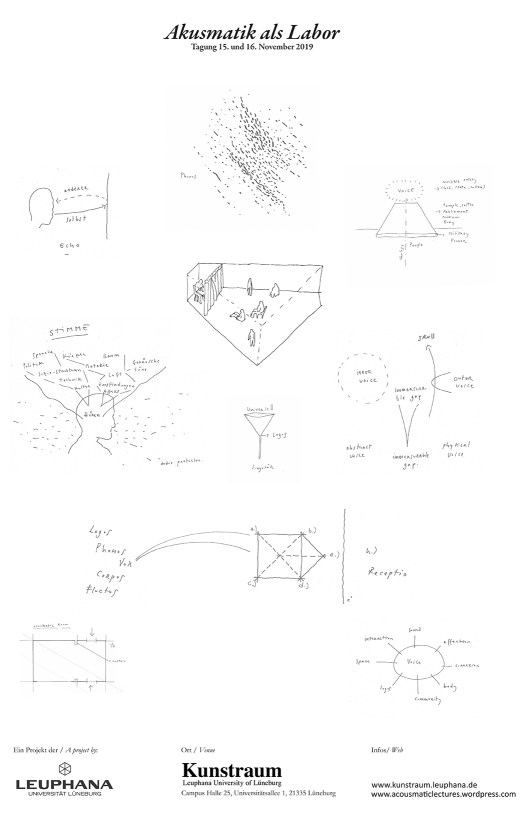
The book is conceived as a working tool that connects reflections on the topic with their media and spatial relevance. The layout of the book is intended to express the two sides of the curtain that separates the audience from the lecturers at Mario Asef‘s Acousmatic Lectures. To the left and right of the text column, wide margins are left blank, which are meant to provide space for Asef‘s drawings and diagrammatic interventions, but also for comments of the readers. This creates a third narrative that runs parallel to the contributions of the authors gathered here.
Two fold-out, color double-pages in the middle of the volume show the curtain of the Acousmatic Lectures. Within this curtain we gather responses in English from selected participants of the series. Hans-Jörg Rheinberger (2017), Alex Arteaga (2017) and Mladen Dolar (2021) exemplify their experiences with their lectures in the context of Asef‘s project. Printed on the back of the curtain are two sound maps that refer specifically to the lectures of philosopher Markus Gabriel and Mladen Dolar. All contributions in this part of the book are provided with QR codes that allow online access to the corresponding Acousmatic Lectures.
Editors: Sven Spieker, Mario Asef 2023
Authors: Alex Arteaga, Mario Asef, Johannes Block, Sabeth Buchmann, Mladen Dolar, Bernhard Dotzler, Wolfgang Ernst, Tim Hagemann, Bernd Harbeck-Pingel, Irene Lehmann, Jurij Murašov, Deniza Popova, Hans-Jörg Rheinberger, Sabine Sanio, Holger Schulze, Sven Spieker, Mai Wegener

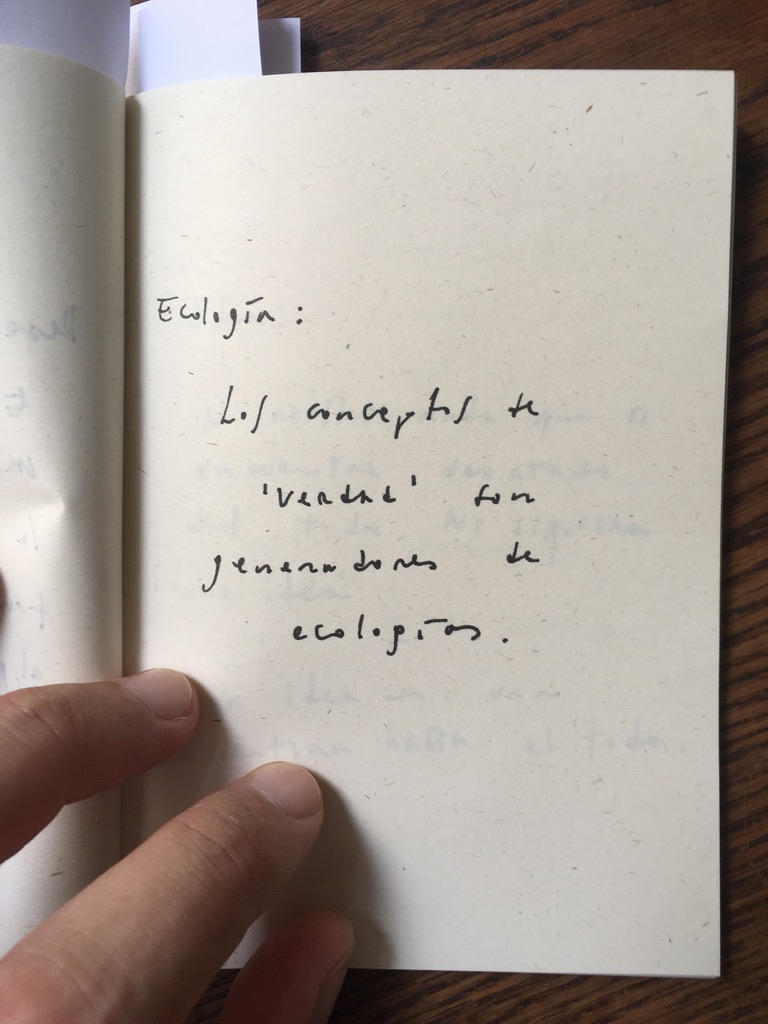

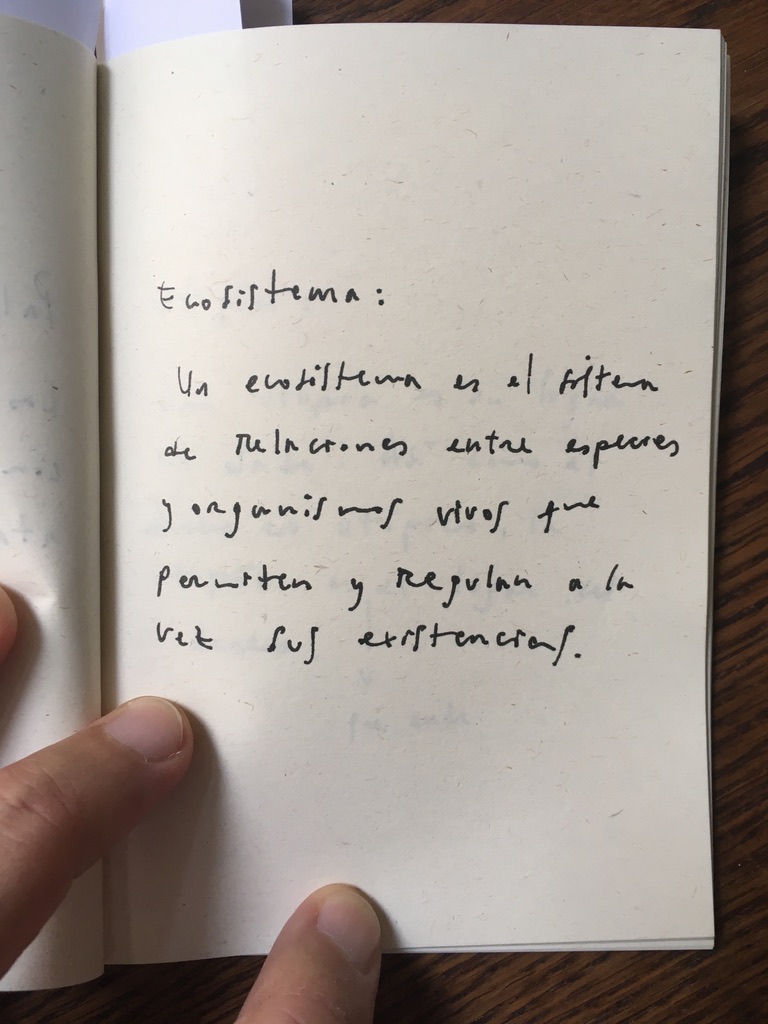

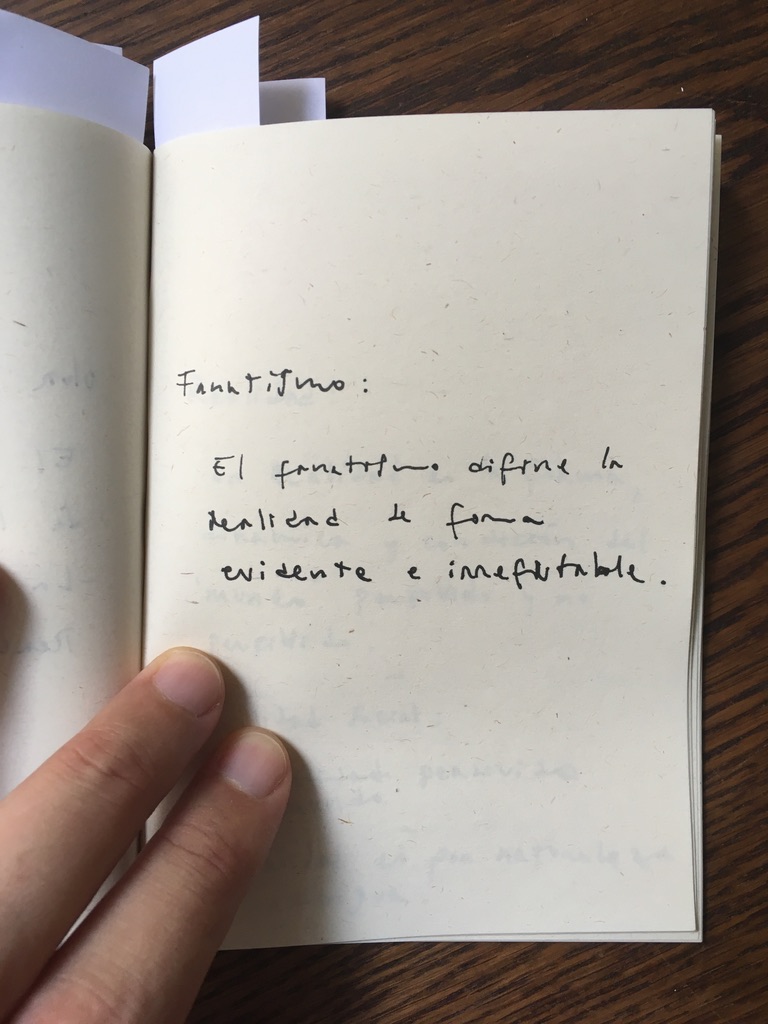
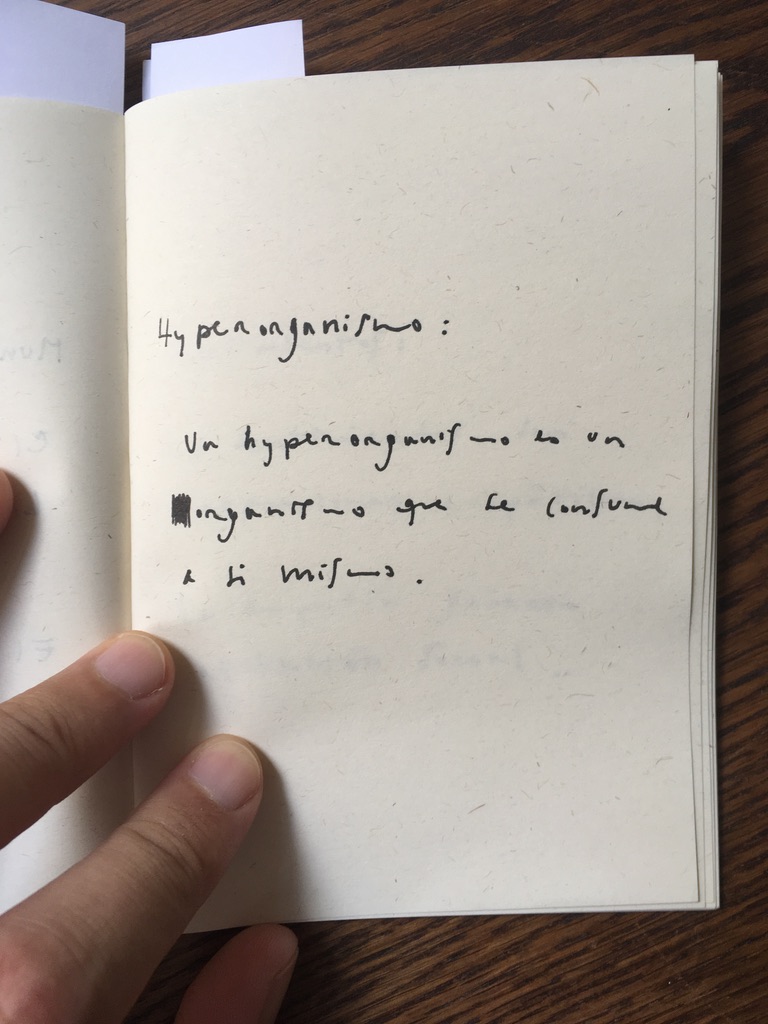




 Mario Asef